Dried Basil
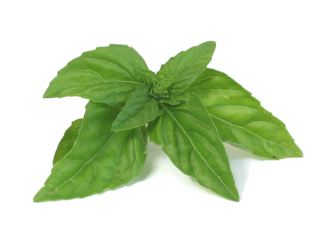
Dried basil is a pantry staple herb derived from the basil plant, commonly used in cooking. It's the dehydrated form of the fragrant basil herb, known for its sweet, slightly peppery taste with hints of mint and clove.
It adds depth and aroma to dishes, reminiscent of fresh basil but with a more concentrated flavor.
Commonly used in Mediterranean, Italian, and Thai cuisines, dried basil complements tomato-based sauces, soups, stews, pasta dishes, and salads. Its versatility extends to marinades, dressings, and even infused oils or vinegars.
Substitutes for dried basil include fresh basil leaves, although the flavor profile differs slightly. Oregano or thyme can also be used as alternatives, offering their own unique taste profiles to dishes.
Nutritionally, dried basil retains many of the health benefits of fresh basil, such as antioxidants and vitamins A and K. It's low in calories and contains small amounts of essential minerals like calcium and iron.
To preserve its flavor, store dried basil in an airtight container away from heat and sunlight. When using in recipes, remember that dried herbs are more potent than fresh, so adjust quantities accordingly. To revive its flavor, crush dried basil between your fingers before adding it to dishes. Additionally, consider blending dried basil with other dried herbs for custom seasoning blends.
Growing your own basil plant is a cost-effective way to ensure a fresh supply of basil leaves. You can also purchase dried basil in bulk to save money in the long run.

Tips and Hacks
To make sure your eggs are fresh and safe to eat, use a simple water test. Submerge your egg in a bowl of water: fresh eggs will sink to the bottom, while older, less fresh eggs float. This easy hack helps you determine quickly an egg's freshness before use.
Tell me more...
Featured Offering
Iced Mocha
Recipe of: Italy

Filed Under: No Alcohol
Prep Method: Mix
Base: Espresso
Made with: 9 Ingredients
 / 5197
Keldons Cookery © 1998 - 2026 All rights Reserved | Secured with SSL
Cook what you eat. Love what you cook!