Sheep
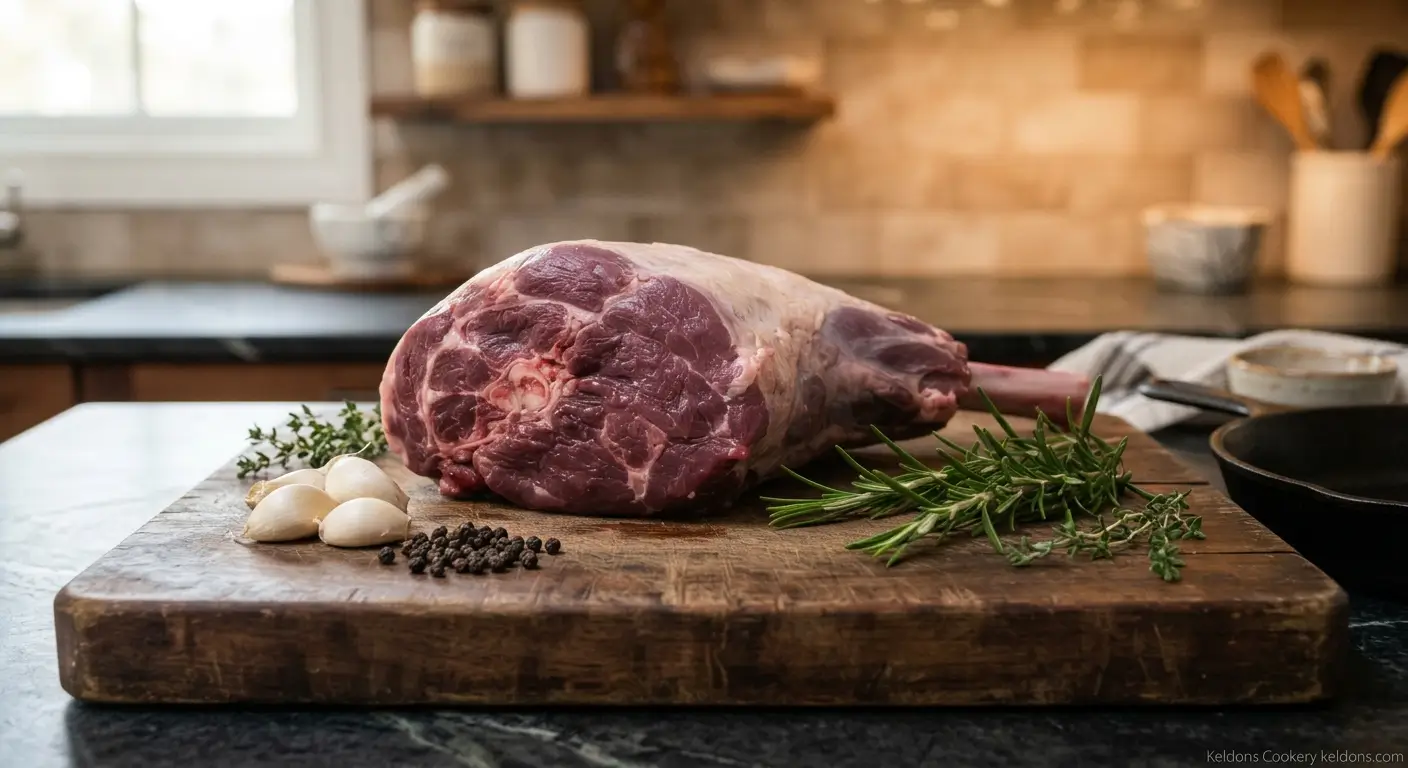
Sheep (pronounced shee-p) is a highly valued pasture animal that provides our home kitchens with uniquely deep, savory red meat, known as lamb when young or mutton when fully grown.
Nutritional Values
The Journey of the Pasture Flock
The incredible story of the domestic sheep stretches back across thousands of years of human history. Long before people built large cities or kept records, early human communities living in the ancient lands of Mesopotamia began taming wild sheep herds. This historic development took place around ten thousand years ago, making sheep one of the very first animals ever domesticated by humans.Transforming Green Grass into Survival
Early farmers quickly recognized that these gentle creatures could transform simple green grass into life-saving resources. They provided thick, warm wool for winter clothing, rich milk for early cheese making, and highly nourishing meat that kept families fed through harsh winters and droughts. As human populations grew and moved across continents, sheep traveled right alongside them.Flocks Across Rugged Continents
Flocks moved along trade paths into the rugged mountains of Central Asia, across the vast hot plains of Africa, and eventually throughout the rolling green hills of Europe. In places like Greece, Italy, and Scotland, sheep farming quickly became the absolute backbone of rural survival and local food traditions. For centuries across Western Europe, mature sheep meat was the primary protein source for everyday families.How Language Changed the Platter
There is an amazing linguistic history hidden directly inside your modern grocery store receipt. Back in the medieval era, a massive historical conflict shifted how people spoke about their food. When the French-speaking Normans conquered England in the eleventh century, the language of the dinner table separated from the language of the farm fields.From Muddy Fields to Grand Halls
The local Anglo-Saxon farmers who manually tended the live animals out in the muddy pastures continued to call them by their traditional name: "sheep". However, when the meat was beautifully cooked, spiced, and carried into the grand dining halls to be eaten by the French-speaking royalty, it was called by the French word for the animal, which was mouton. Over several generations, this word morphed into our modern English word "mutton".Advertisement
Health Benefits: Packaged by Nature
- MUSCLE MAINTENANCE - Mature sheep meat delivers a massive dose of high-quality protein containing every single essential amino acid your body needs to rebuild and repair muscle tissue after a long day of physical activity.
- BLOOD HEALTH - This red meat is rich in highly absorbable heme iron, which plays a critical role in helping your red blood cells transport vital oxygen efficiently through your body to fight off feelings of daily fatigue.
- IMMUNE DEFENCE - A standard serving provides an exceptional amount of zinc, an essential mineral that empowers your body's immune system to build strong chemical defenses and combat seasonal winter bugs.
- NERVE SUPPORT - It acts as a natural storehouse for Vitamin B12, which is absolutely vital for maintaining healthy nerve pathways, keeping your brain sharp, and supporting continuous cell production.
- CELLULAR ENERGY - The meat supplies a rich balance of niacin and riboflavin, two critical B-vitamins that help your metabolic system smoothly convert your everyday meals into clean, usable stamina.
Advertisement
Understanding Tight Muscle Fibers
To cook this rich red meat like a true professional, it helps immensely to understand exactly how its unique muscle fibers and dense fat structures respond to various temperatures inside your kitchen. Fully matured sheep meat features tightly wound muscle fibers bound together by tough networks of natural connective tissue. If you make the mistake of exposing these dense fibers to sudden, aggressive, high-temperature dry heat, the proteins will react violently. They will instantly lock tight like a closing fist, squeezing out every ounce of natural moisture and leaving the meat incredibly tough, stringy, and difficult to chew.Melting the Internal Raincoat
Instead, we must employ kitchen science to transform those tough networks into a chef's best friend. Think of the connective tissue inside a hardy shoulder or neck cut as a collection of stiff, stubborn ropes. When we submerge these cuts in a liquid and cook them over a very low, gentle heat for several long hours, those stubborn structural ropes completely relax. They slowly dissolve down into a rich, silky substance known as gelatin. This luxurious gelatin bathes every single muscle fiber, acting like an internal moisturizer that turns what was once a tough cut into something amazingly juicy, tender, and melt-in-your-mouth soft.Managing High Melting Point Fats
The science of sheep fat also requires special attention on the stove. This fat possesses a significantly higher melting point than the fat found in beef or pork. Because it cools and solidifies very quickly at room temperature, it can create an unpleasant, waxy texture in the mouth if served warm or lukewarm. To prevent this, always serve your finished sheep dishes piping hot, and use natural culinary acids like lemon juice, fresh crushed tomatoes, or a splash of red vinegar to help break apart the heavy fat molecules and keep each bite feeling light and perfectly balanced.Advertisement
Master Preparation: Spotting Fresh Cuts
When you visit your local butcher shop or fresh meat counter, look closely for sheep meat that shows a vibrant, deep purplish-red color with firm, creamy-white fat distributed evenly across the cut. Avoid any packages where the meat looks dull, brownish-gray, or where the fat looks unpleasantly yellow and greasy. If you plan to make a large roast for the family, choose a piece that has a uniform thickness so that the heat travels through the center at an completely even pace.Kitchen Counter Rest and Preparation
Before you ever turn on your stove, take the meat out of its packaging and let it rest on a clean kitchen counter for about twenty minutes to take the deep refrigerator chill off. This simple step ensures that the meat cooks evenly from the outer crust all the way to the center. Next, take a clean paper towel and firmly pat the entire surface of the meat until it is completely dry. Wet meat will create an unhelpful layer of steam in your hot pan, which entirely prevents that beautiful, deep-brown caramelized crust from forming.Trimming and Choosing Your Heat
Trim away any overly large, thick patches of hard surface fat, but make sure to leave a thin, protective layer behind to baste the meat naturally as it cooks. For exceptionally tender cuts like loin chops, a quick, intense sear in a screaming-hot cast-iron skillet with smashed garlic and fresh herbs is all you need. For the tougher, flavor-packed cuts like the shank or shoulder, place them in a deep, heavy pot with stock, winter root vegetables, and aromatic spices, cover the lid tightly, and let it simmer away slowly until the meat can be pulled apart effortlessly with a simple fork. Like we always say at Keldons Cookery, give it the sniff test: if it smells bad, it will eat bad. When in doubt, throw it out.Advertisement
Budget-Friendly Pasture Hacks
- EMBRACE THE SHOULDER - Skip the highly expensive rack or center-cut loin chops and purchase a whole or half shoulder cut instead, which delivers twice the savory flavor at a fraction of the cost when slow-braised.
- GO FOR GROUND - Ground sheep meat is highly affordable and serves as an amazing, rich base for building comforting shepherd's pies, juicy Mediterranean burgers, or deeply seasoned meatballs.
- STRETCH WITH GRAINS - Take smaller portions of the meat and simmer them into large, comforting stews packed with cheap root vegetables, pearl barley, or dried brown lentils to create an abundant family meal for very little money.
Finding Your Ingredients at the Market
To source the finest cuts of lamb or mature mutton for your next family feast, walk directly past the inner grocery aisles and head straight to the fresh, refrigerated butcher counters located at the back of the market. You will find everyday items like ground meat and pre-cut stew meat resting in the open display cases.Sourcing Custom Artisan Cuts
For specialized artisan cuts like whole shanks, a bone-in leg, or traditional mutton blocks, look directly behind the glass counter and ask the butcher on duty to custom-cut a piece from the whole primal, ensuring you get the exact size and freshness needed for your recipe.This Dinner Is Simply Baa-lilliant!
Cooking with sheep meat can sometimes feel a bit intimidating to the modern home cook, but once you utilize low, slow heat, it becomes an absolute masterpiece that will have your whole family flocking eagerly to the dining room table. Do not be sheepish about experimenting with robust garden herbs like rosemary, mint, or thyme to beautifully complement the rich, natural characteristics of pasture-raised meat.A Time-Tested Pasture Meal
Grab your favorite heavy stew pot, set your burner to a gentle simmer, and enjoy the deep satisfaction of preparing a traditional, time-tested meal that has kept households happy, warm, and wonderfully well-fed for thousands of generations.Advertisement

Advertisement
Advertisement
Handy Tip
Preserve your cheese longer by storing it in an airtight container with a few sugar cubes. This simple trick prevents molding, extending the cheese's shelf life, and making sure its deliciousness for many more days to come. You'll be able to enjoy your cheeses for longer.
Featured Offering
Chicken Veggie Pie
Recipe of: United States

Filed Under: Poultry
Prep Method: Oven
Made with: 17 Ingredients
 / 1966
Advertisement
Keldons Cookery © 1998 - 2026 All rights Reserved | Secured with SSL
Homemade Goodness. Cook what you eat. Love what you cook!