Kangaroo Tail
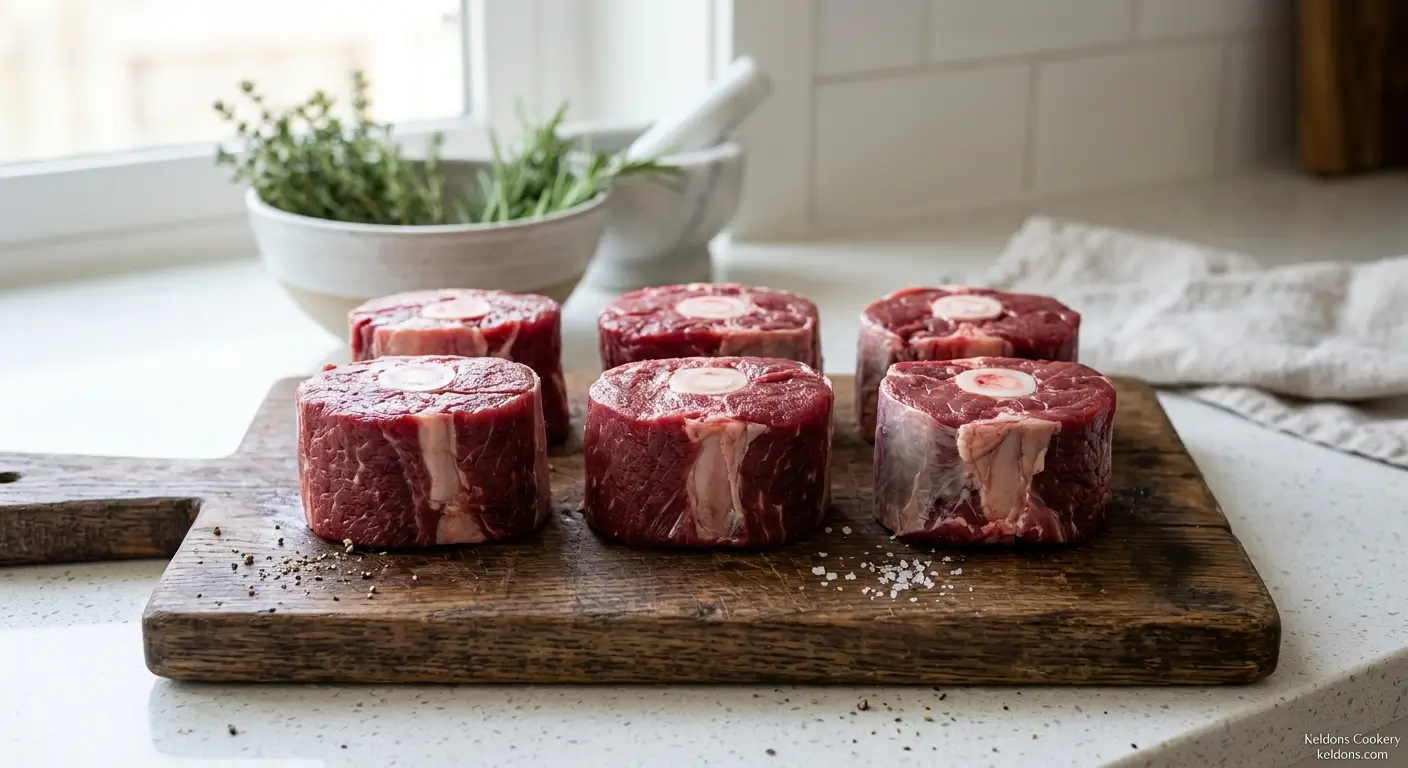
The kangaroo tail (pronounced kan-guh-roo teyl) is an adventurous and highly prized cut of meat that delivers rich, gamey flavor profiles directly from the wild Australian wilderness. This uniquely flavorful, lean muscle wraps entirely around a dense marrow bone. Base Ingredient: Kangaroo Tail. Parent Ingredient: Kangaroo.
Nutritional Values
Ancient Indigenous Roots:
The history of this unique ingredient traces back tens of thousands of years through the culinary heritage of Indigenous Australians. For generations, traditional owners of the land hunted wild kangaroos across the open plains, vast deserts, and dense bushland. The tail was always considered an exceptional prize among hunters. It provided a dense source of fat-soluble nutrients, lean proteins, and deep warmth when roasted directly over the glowing embers of an open fire. In many Indigenous cultures, preparing and sharing the tail was a deeply communal action that brought families together after a long and challenging hunt. This connection to the land and respect for the animal remains a vital part of the culinary fabric of the continent.Colonial Fusion and Global Fame:
As European settlers arrived on the continent during the colonial era, they quickly observed the incredible flavors and textures of local ingredients used by the local populations. By the nineteenth century, colonial cooks had adapted traditional methods to create classic fusion dishes like kangaroo tail soup. This rich soup became a legendary staple in early Australian hotels, taverns, and high-end fine dining spaces. It was so highly regarded that historical cookbooks across Great Britain eventually featured the ingredient as a sought-after exotic delicacy for royal banquets. While mainstream consumption inside urban Australia dipped slightly during the mid-twentieth century, a modern culinary revival has brought this incredible cut back into the spotlight for adventurous home cooks worldwide.Modern Culinary Revival:
Today, home cooks and professional chefs look to these heritage ingredients to reconnect with authentic, slow-food practices that honor the entire animal. The widespread availability of wild game has allowed modern kitchens to experiment with a balance of ancient traditions and contemporary cooking techniques. By celebrating the distinct characteristics of kangaroo tail, home chefs can step away from standard grocery store meats and dive into an entirely new world of flavor depth. This heritage ingredient perfectly bridges the gap between deep historical survival practices and the refined plates of modern culinary enthusiasts, proving that some of the best flavors take time, respect, and history to truly appreciate.Advertisement
Outback Health Benefits:
- Muscle Growth - Provides massive amounts of pure, clean protein that helps repair tissues and build strength without extra saturated fats.
- Red Blood Support - Delivers essential iron particles that boost natural energy and keep oxygen moving smoothly all through your body.
- Heart Health Fats - Contains clean omega-3 fatty acids that look after your heart and keep your circulatory system working properly.
- Cellular Protection - Packed full of natural zinc and selenium which shield your cells from daily damage and keep your body strong.
The Melting Marrow Effect:
When you look at a raw kangaroo tail, you are looking at an exceptionally lean muscle tissue tightly wrapped around a thick jointed bone. Unlike domestic beef or farm-raised pork, wild game animals roam freely across vast distances and never build up thick layers of marbled fat. This means the outer meat behaves exactly like a thin, lightweight raincoat. It can easily dry out and become tough if it meets sudden, aggressive heat. When you expose this ultra-lean meat to high dry heat, the proteins seize up tightly like a wet towel being wrung out, leaving you with a tough, stringy, and dry meal.The true magic happens inside the center of the bone structure. Slow cooking acts exactly like a warm, heavy winter blanket that gently traps heat and coaxes the tough connective tissues to completely melt away over time. As the steady low heat works its way through the tailbone, the rich bone marrow softens and dissolves into the surrounding braising liquid. This process creates a thick, luxurious sauce that keeps the ultra-lean meat perfectly basted from the inside out. The marrow provides all the richness and depth that the lean exterior lacks, turning a tough cut into succulent meat that falls right off the bone.
Advertisement
Braising Basics and Prep Protocols:
Preparing this ingredient at home requires a few basic baseline protocols to ensure a perfect culinary outcome. First, you must check the meat for absolute freshness. Fresh tail should display a deep, dark red color and possess a clean, faintly earthy scent. Avoid any packages that look gray or have pooled liquids at the bottom of the tray. Wash the meat thoroughly under cool running water to clear away any loose bone fragments left behind from the butcher saw. Pat the exterior completely dry using clean paper towels so that the meat can brown properly later.Because wild game is naturally lean, you must always marinate the meat for at least four to six hours before cooking. Combine acidic liquids like red wine or vinegar with traditional indigenous ingredients, native herbs, and robust spices to break down the firm fibers. When you are ready to cook, sear the pieces in a hot pan to build a deep crust, then submerge them halfway in a flavorful broth. Cover the pot with a heavy lid and let it simmer on low heat for three to four hours until the meat is completely tender. Like we always say at Keldons Cookery, give it the sniff test: if it smells bad, it will eat bad. When in doubt, throw it out.
Advertisement
Outback Budget Super Hacks:
- The Oxtail Swap - Use standard beef oxtail as a budget-friendly substitute if local specialty markets charge high import fees for genuine wild Australian game.
- Buy the Frozen Bulk - Purchase frozen, pre-cut tail sections from international distributors online because frozen game options generally cost significantly less than fresh air-freighted cuts.
- Marrow Broth Stretching - Save all the leftover tailbones after your meal and boil them down a second time with simple root vegetables to create a rich, free stock base.
Where to Find It:
You can locate this specialized item inside the frozen exotic meats chest, behind the service counter at international butcher shops, or within the specialty wild game section of well-stocked global supermarkets.A Tail of Pure Tenderness:
Slow cooking this cut takes a little bit of patience, but the final outcome is truly a roaring success that will leave your dinner guests hopping with absolute joy! Don't let your kitchen adventures drag behind when you can bring the bold flavors of the outback right onto your table.Advertisement
Quick Picks

 / 5422 / 2875 / 2659 / 5122
Advertisement
Advertisement
Handy Tip
Peel eggs effortlessly with this simple hack: start by adding eggs to boiling water. Once cooked, immediately transfer them to an ice bath. This process not only allows for easy peeling but also yields perfectly cooked eggs, saving time and frustration.
Featured Offering
Quick Black Pepper Pasta
Recipe of: Italy

Filed Under: Grain
Prep Method: Food Processor
Made with: 3 Ingredients
/ 5380Advertisement
Keldons Cookery © 1998 - 2026 All rights Reserved | Secured with SSL
Homemade Goodness. Cook what you eat. Love what you cook!