Achiote Paste
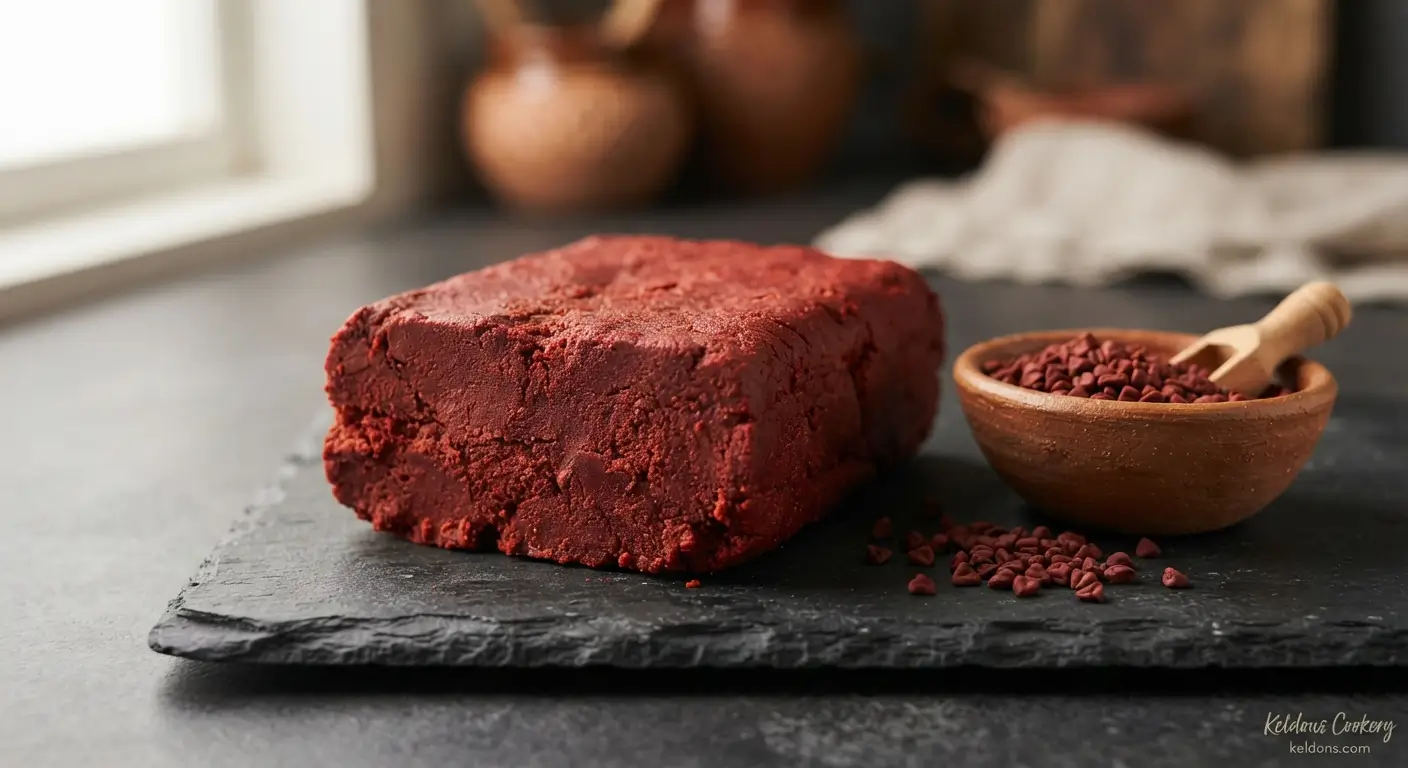
Achiote paste, pronounced ah-chee-OH-tay, is a vibrant, brick-red color seasoning made from the seeds of the annatto tree. It combines annatto seeds with spices like cumin, pepper, coriander, oregano, and a splash of vinegar or lime juice to form a paste.
Nutritional Values
Substitutions:
If you don't have achiote paste on hand, there are a few substitutes that can mimic its color and flavor.- Paprika and Turmeric Mix - Combine equal parts of paprika and turmeric. This combination is useful when you're looking to replicate the vibrant orange-red color that achiote paste gives to dishes. Paprika offers a sweet and mild peppery flavor, which can somewhat substitute for the peppery notes of achiote. Turmeric, on the other hand, adds a bright yellow tint and a slight bitterness that can help to copy the complexity of achiote's flavor. The drawback to this is the mixture will lack the full depth and slightly nutty, earthy undertone of true achiote paste. Use this blend when color is more critical than the flavor match. This substitute option relies heavily on dry shelf spices, but as we always emphasize, it is a quick fix rather than an absolute flavor mirror.
- Tomato Paste Mixed with Turmeric and Paprika - Combining tomato paste with turmeric and paprika not only captures the color but also displays a richer flavor base compared to using spices alone. Tomato paste brings a concentrated tomato flavor that is both sweet and tangy, adding more body to the dish. Turmeric enhances the color while adding its characteristic earthy tone, and paprika provides a mild heat and sweetness. This substitute works well in recipes where a tangy flavor is wanted like in stews or sauces. Still, it won't completely replicate the taste of achiote.
- Turmeric or Saffron for Color - If your goal is to achieve the rich color that achiote paste typically gives without much concern for flavor, turmeric or saffron are excellent options. Turmeric offers a brilliant yellow color and is economical, making it accessible for everyday cooking. Saffron provides a similar vibrant color with a hint of luxury and a subtle, distinctive floral taste, making it suitable for special dishes. Both are great for coloring rice or soups but remember that they won't provide the same flavor as achiote.
Advertisement
Make a Marinade Base:
Achiote paste is particularly effective as a marinade base for meats because of its combination of acid and strong spices. The acidic elements in achiote, often from the vinegar or citrus juice in the paste, help to break down protein structures in the meat, making it more tender. This chemical softening reaction uncoils tight muscle fibers, turning tough, inexpensive cuts of meat into incredibly succulent portions.- Application Method - Rub the marinade all over the meat. Make sure it is well-covered. For thick cuts or whole pieces like a pork shoulder, consider scoring the meat slightly to allow deeper penetration of the marinade. Ensuring maximum structural contact between the acid catalyst and the protein molecules guarantees uniform tenderness across the entire cut.
- Quiet, I'm Resting - Let the meat marinate in the refrigerator for several hours or, for the best results, overnight if possible. This resting period allows the flavors to marry and the meat to tenderize, resulting in a more flavorful and tender cooked dish. Giving the protein sufficient downtime under cold stabilization is vital for deep moisture retention before exposing the food to intense cooking heat.
Advertisement
Allergy Information:
Achiote paste is made from annatto seeds, which are derived from the achiote tree. While annatto is generally safe for most people, it can cause allergic reactions in individuals who are sensitive to seeds or have specific food allergies.- Severity of Response - The reactions can vary in severity, ranging from mild irritation to more severe allergic responses such as hives, itchy skin, or respiratory difficulties.
- Precautionary Advice - It's important for anyone with a history of food allergies, especially to seeds, to approach achiote with caution. If you're unsure about potential allergies, it's a good idea to consult with a healthcare provider or an allergist before trying achiote paste.
Longevity & Storage Profiles:
Proper storage ensures the delicate essential oils and volatile flavor compounds in your spices do not degrade over time. Like we always say at Keldons Cookery, if your spices don't wake up your nose when you crush them, they won't wake up your dish when you cook them.- In the Refrigerator - When stored in the refrigerator, achiote paste can keep its quality for up to 3 months. Transfer the achiote paste from its original packaging to an airtight container. This minimizes exposure to air, which can weaken the paste's flavors and brilliant color over time.
- Temperature Stability - Keep the container in the coolest part of your refrigerator, usually in the back where temperatures are most consistent. Do not store near the door where temperature fluctuations are common because of constant opening and closing. Consistent cold zones lock in volatile aromatics and keep the oils embedded in the paste from going stale.
- Contamination Prevention - Each time you use the achiote paste, use a clean, dry utensil to avoid introducing moisture or contaminants into the container. This simple habit completely prevents mold and bacterial growth. Periodically check your achiote paste for any signs of mold or off odors.
- In the Freezer - For longer storage, freezing achiote paste is an great way to extend its longevity beyond 3 months. It will safely keep in your freezer for approximately 6 months.
- Portion Control - Before freezing, divide the achiote paste into smaller portions, such as using an ice cube tray. Once frozen, transfer the cubes to a freezer bag or container. This allows you to thaw only the exact amount you need for a recipe, reducing waste.
- Freezing Process - Make sure the paste is tightly sealed in a freezer bag or airtight container to prevent freezer burn, which destroys the texture and aroma. Remove as much air as possible from freezer bags to protect against oxidation.
Advertisement
Color Staining & Defending Your Kitchen:
Achiote paste is notorious for its deep red-orange color, which comes from the high concentration of the natural pigment bixin found in annatto seeds. This highly intense organic compound binds on contact with microscopic surface crevices, making it an incredibly stubborn element to clean up once it sets.- Protective Measures - Annatto is famously known as "Nature's Dye" because it deeply tints everything it contacts. Keldons Cookery's top tip is to always wear kitchen gloves when handling achiote paste to avoid staining your hands. Aprons and old clothes are highly advisable to protect against the inevitable splashes that occur while cooking.
- Surface Protection - Cover countertops with parchment paper or plastic wrap when working with achiote to prevent direct contact with porous surfaces. Ask yourself: are you really going to enjoy the accidental new color of your countertop as much as you enjoyed the dish?
- Stain Remediation - If achiote paste does get on surfaces or fabrics, clean it up immediately with a strong detergent or a specialized stain remover. For tougher stains on clothes, pre-treating the area before washing helps lift the pigment from the fabric fibers. Otherwise, you're looking at a brand-new set of unexpected tie-dye clothes!
Advertisement
The Long and the Short of It:
Achiote paste is a popular seasoning in Mexican and Central American cooking, known for its deep red color and earthy flavor. It's ground up and mixed with other spices like cumin, coriander, and sometimes vinegar or citrus juice to form a thick, rich paste. This paste is great for marinating meats, adding a beautiful color and a hint of nuttiness to dishes like grilled chicken, stews, and rice. The chemical interaction of its natural seed oils with common culinary acids delivers an unrivaled baseline for slow-cooked masterpieces.Advertisement
Quick Picks

 / 3125 / 2603 / 5422 / 2939
Advertisement
Advertisement
Handy Tip
Keep your wooden cutting board clean and fresh, simply sprinkle coarse salt over the surface. Using a lemon half, scrub the board, letting the salt and lemon do the heavy lifting. Not only does this method clean, it also deodorizes, giving your board a fresh scent.
Featured Offering
Bacon Cornmeal Dumplings
Recipe of: United States

Filed Under: Pork
Prep Method: Stove Top
Made with: 9 Ingredients
/ 2272Advertisement
Keldons Cookery © 1998 - 2026 All rights Reserved | Secured with SSL
Homemade Goodness. Cook what you eat. Love what you cook!