Cockles
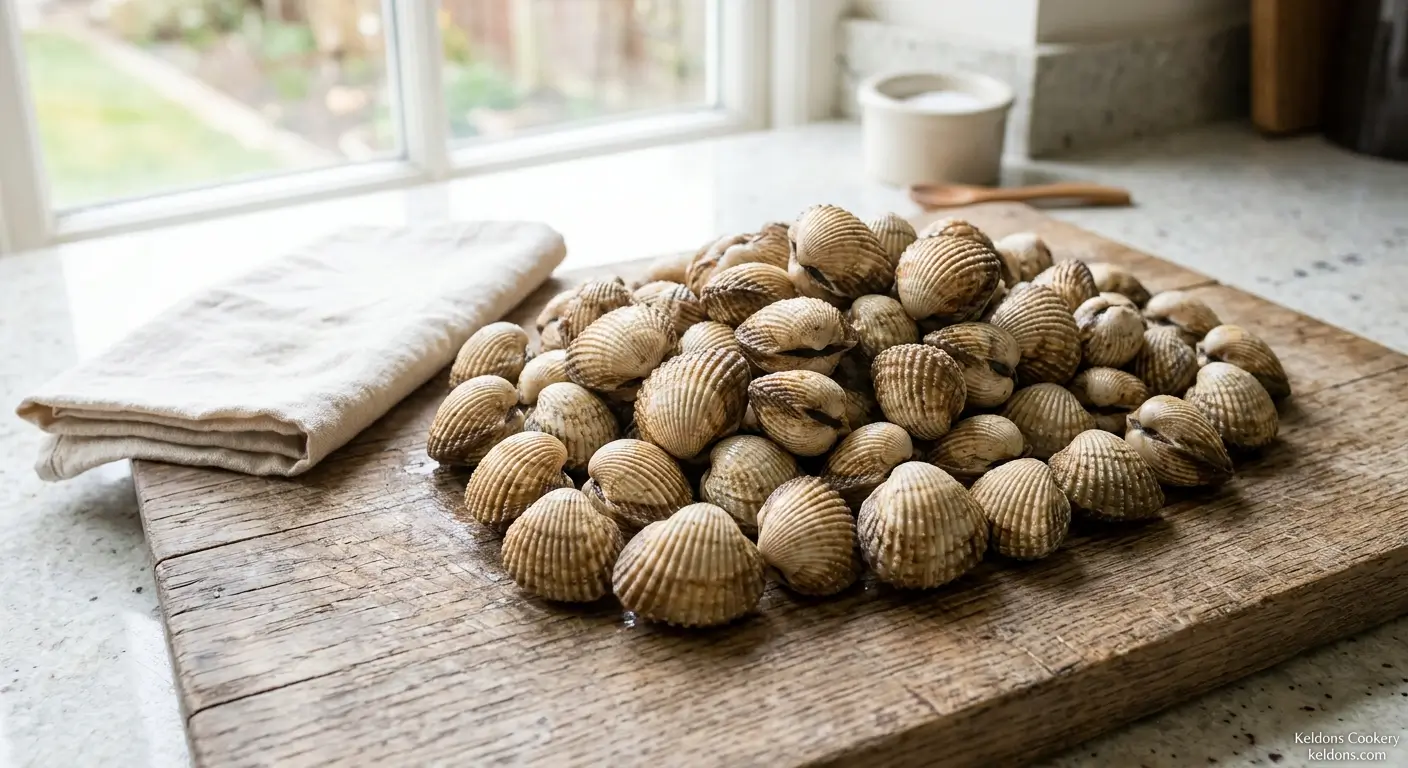
Cockles - pronounced 'KOK-uhls' are small, edible bivalve mollusks closely related to clams and mussels. They are easily recognized by their distinct heart-shaped, ribbed shells and are carefully harvested from sandy, coastal waters around the globe.
Nutritional Values
These tiny treasures have a sweet, slightly salty flavor that captures the essence of the ocean, making them a true delicacy in many global cuisines. They are especially popular in European culinary traditions, where they add a deep savory depth to classic pasta dishes, rich seafood stews, and coastal bakes.
Advertisement
Kitchen Swaps & Shellfish Substitutes:
- Clams - The absolute best match in a pinch. They share an identical size, sweet profile, and tender texture, allowing you to use them as a seamless, direct substitute in almost any recipe.
- Mussels - A highly accessible alternative. While they are notably larger and slightly meatier, they step in beautifully, though they will impart a richer, more distinct earthy-marine flavor to your finished dish.
- Scallops - The ultimate luxury upgrade. They provide a beautifully sweet flavor profile and delicate texture that pairs perfectly with the white wine, garlic, and butter bases traditionally used for cockles.
Culinary Science: The Purging and Steaming Mechanics:
The secret to enjoying cockles lies entirely in the preparation. Because they live buried deep within coastal sands, their tightly shut shells naturally trap fine grit. To remove this sand completely, you must tap into the living mollusk's natural filtering behavior. Soak your cockles in cold, heavily salted water for a full hour before cooking. This mimics their natural environment, prompting them to open slightly and naturally spit out the trapped sediment. After their bath, give them a vigorous scrub and a final rinse under cold, running water. When it comes to the stove, speed is your ally. Cockles cook incredibly fast, usually in just two to three minutes. Steam them over high heat in a shallow pool of aromatic liquid. The intense steam pressure forces the strong adductor muscles to relax, causing the beautiful ribbed shells to pop wide open. Always discard any stubborn shells that refuse to open after cooking, as they were likely dead before reaching the pot and are unsafe to eat. Like we always say at Keldons Cookery, give it the sniff test: if it smells bad, it will eat bad. When in doubt, throw it out.Advertisement
Savvy Savings Grocery Hacks:
- Buy by Weight, Not Shell Count - Shellfish weight includes the heavy armor. Ask your fishmonger to weigh a sample handful so you can estimate how much actual meat yield you are paying for.
- Shop the Frozen Aisle - Look for flash-frozen, vacuum-sealed whole cockles. They are often significantly cheaper than live ones, boast a longer shelf life, and are typically pre-purged of sand.
- Perfect the Canned Alternative - Check the international aisle for canned cockles in brine. They are highly affordable, shelf-stable for years, and the leftover briny canning liquid doubles as a free, intense seafood stock base for your sauces.
Handling, Freezing, and Storage Operations:
- Short-Term Cold Storage - Keep uncooked, live cockles in the coldest part of your refrigerator. Place them in an open bowl covered with a clean, damp cloth to keep them humid, and cook them within 24 hours of purchase.
- Long-Term Freezing - If you need to freeze your catch, do so immediately after buying. Shuck the raw meat from the shells and submerge them in a freezer-safe container filled with their own filtered juices or light brine for up to 3 months.
- Thawing Protocols - Always thaw frozen shellfish slowly in the refrigerator overnight. Be aware that freezing slightly alters the delicate protein structures, so thawed cockles are best used in hot, stirred dishes like stews rather than raw or lightly steamed setups.
Nutritional Benefits:
- Vitamin B12 - Provides an exceptionally rich source that is crucial for maintaining nerve health and supporting the daily production of DNA.
- Iron - Delivers a generous amount of this essential mineral, which your body needs to produce red blood cells and prevent fatigue.
- Selenium - Packed with antioxidant properties that help protect your cells from damage and support a healthy immune system.
- Lean Protein - Offers a high-quality, low-fat source of protein to fuel muscles and keep you feeling satisfied without heavy calories.
Advertisement
Store Location Guide Prosthetic Note:
You can find fresh, live cockles tucked inside the fresh seafood counter or resting on beds of ice at specialty fish markets. If your local supermarket has a limited seafood section, bypass the standard shelves and head straight to the frozen seafood freezers or the international canned goods aisle to locate preserved varieties.Shellfish Shell-Ebration:
At the end of the day, these tiny, heart-shaped mollusks prove that the best culinary rewards come in small, beautifully ribbed packages. Bringing them into your home kitchen turns an ordinary weeknight dinner into an elegant, coastal escape. Just remember to master the salty soak, watch your cooking timer like a hawk, and let the natural, sweet juices of the ocean do all the heavy lifting in your pans!Advertisement
Quick Picks
 / 3027 / 296
 / 3012 / 4338 / 5803
Advertisement
Advertisement
Handy Tip
Make your own ginger juice easily by using a garlic press. Just take a 1 x 2 inch piece of ginger root, squeeze it with the press, and quickly get about 1 tablespoon of fresh ginger juice. This hack is a quick way to add a burst of flavor to your drinks and dishes with minimal effort.
Featured Offering
Nouc Cham
Recipe of: Vietnam

Filed Under: Make Your Own
Prep Method: Mix
Base: Habanero Pepper
Made with: 6 Ingredients
/ 3029Advertisement
Keldons Cookery © 1998 - 2026 All rights Reserved | Secured with SSL
Homemade Goodness. Cook what you eat. Love what you cook!