Duck
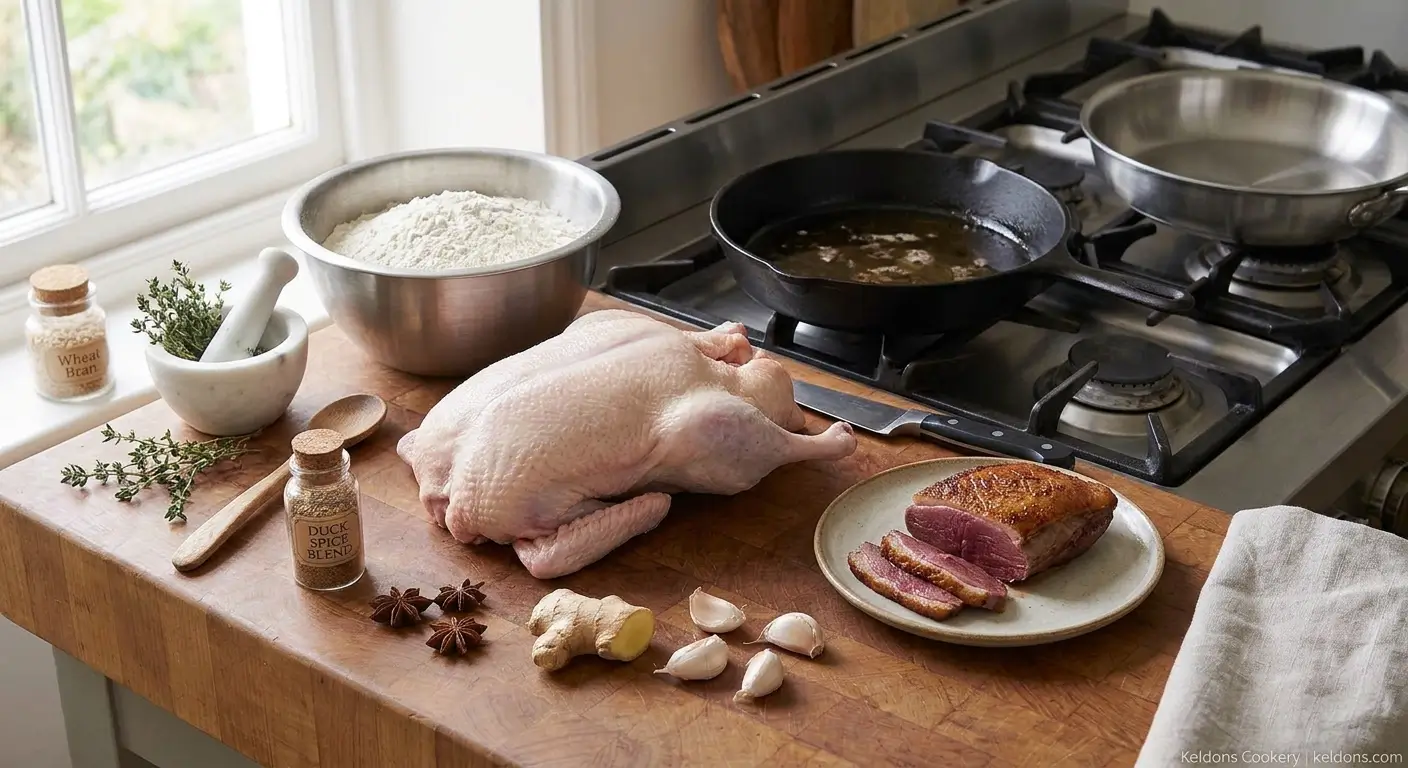
Duck - pronounced 'duhk', is an exceptionally rich, all-dark poultry meat prized for its decadent fat layer and deep flavor. Perfect for cold-pan searing or high-heat roasting, it yields gourmet rendered fat and provides lean, hearty protein.
Nutritional Values
A Little About Duck
- Culinary Definition - Duck, pronounced 'duhk', is a flavorful, nutrient-dense poultry that bridges the gap between traditional poultry and red meat. Unlike chicken or turkey, duck meat is predominantly dark meat throughout the bird, featuring a deep, rich color and an incredibly robust flavor profile. The unique character comes from the bird's high fat content, which is primarily concentrated in a thick layer right beneath its skin rather than marbled throughout the muscle tissue itself.
- Culinary Versatility - This structured profile makes it an exceptional candidate for high-heat cooking techniques where rendering the fat is essential, as well as classic slow-cooking methods. From traditional Chinese roasting practices to refined Western searing applications, duck adds an elevated, sophisticated element to menus that instantly sets it apart from more common household proteins.
Advertisement
Substitutions for Duck:
- Chicken Thighs - If duck is unavailable or you need a more economical alternative, bone-in, skin-on chicken thighs are the closest substitute. While milder in overall flavor, chicken thighs match the rich, dark meat texture of duck and feature a similar fat profile under the skin that renders down beautifully during roasting or pan-searing.
- Goose - For traditional roasting recipes calling for whole duck, goose serves as an excellent alternative. Goose is also a waterfowl species with a similarly thick layer of subcutaneous fat and an intensely rich, entirely dark meat flavor profile. A significantly larger bird requiring adjusted cooking times.
- Squab or Pigeon - If your recipe focuses on pan-seared duck breast, squab or pigeon can mimic that specific gamey taste and tender, red-meat-like texture. Both options offer a dark, fine-grained meat that is traditionally served medium-rare, closely replicating a premium seared duck experience.
Advertisement
Longevity:
- Refrigerator Life - Fresh, raw duck should be stored in the coldest part of your refrigerator and cooked or frozen within 1 to 2 days of purchase. Keep it in its original airtight packaging, resting on a rimmed baking sheet on the bottom shelf to eliminate any risk of cross-contamination with other foods.
- Freezer Life - Raw duck can be frozen for up to 6 months for optimal quality. For maximum protection against freezer burn, remove the duck from its retail packaging, wrap it tightly in multiple layers of plastic wrap, and seal it inside a heavy-duty freezer bag, ensuring all trapped air is pressed out completely before sealing.
Advertisement
Kitchen Hacks:
- The Skin Scoring Trick - The secret to achieving perfectly crispy duck skin lies in scoring. Before cooking a duck breast, use a sharp knife to cut a crosshatch pattern into the fat layer, being careful not to cut into the meat. This allows the fat to escape rapidly into the pan while cooking, preventing a greasy texture and ensuring an incredibly thin, crunchy skin.
- The Liquid Gold Collection - Never discard rendered duck fat. As the fat melts out during cooking, pour it off into a clean glass jar and store it in your refrigerator. Known in professional kitchens as "liquid gold," this fat has a remarkably high smoke point and can be used to roast potatoes, sauté vegetables, or fry eggs, adding an unmatched depth of savory flavor to everyday cooking.
- Cold Pan Searing - Unlike steak or chicken, which require a screaming hot pan, duck breast should always start in a completely cold, ungreased skillet skin-side down over medium-low heat. Starting cold allows the thick fat layer to melt gradually and render out completely before the meat itself overcooks, keeping the interior beautifully pink and tender.
Advertisement
Precautions:
- Cross-Contamination - Like all raw poultry, duck can harbor harmful foodborne bacteria. Always sanitize your cutting boards, knives, countertops, and hands with warm, soapy water immediately after handling raw duck to prevent cross-contamination in your kitchen zone.
- Temperature Control - While duck breast is safe and culinary preferred when cooked to medium-rare (an internal temperature of 135°F to 140°F), a whole roasted bird or individual leg portions should be cooked until they reach a safe internal temperature of 165°F to ensure harmful microbes are entirely destroyed.
Unlike chicken or turkey, duck meat is predominantly dark meat throughout the bird, featuring a deep, rich color and an incredibly robust flavor profile.
Advertisement
In Summary:
Duck is a premium, incredibly rich poultry option that brings an air of sophistication and deep, savory flavor to any home kitchen. Whether you are performing a classic pan-sear on a breast using a cold skillet or roasting a whole waterfowl for a special occasion, understanding how to properly manage, render, and collect its signature fat transforms an everyday meal into a high-end culinary experience.Advertisement
Quick Picks
 / 2780 / 3025
 / 2145 / 4506 / 5542
Advertisement
Advertisement
Handy Tip
Don't throw your pickle juice away. It's great for making salad dressings, marinating meat, or even as a quirky addition to cocktails. This flavorful liquid can add a tangy twist to your dishes and drinks, providing both flavor and health benefits.
Featured Offering
Anise Hyssop Drop Cookies
Recipe of: Canada

Filed Under: Bakery
Prep Method: Oven
Base: Anise Hyssop
Made with: 7 Ingredients
/ 5119Advertisement
Keldons Cookery © 1998 - 2026 All rights Reserved | Secured with SSL
Homemade Goodness. Cook what you eat. Love what you cook!