Kangaroo
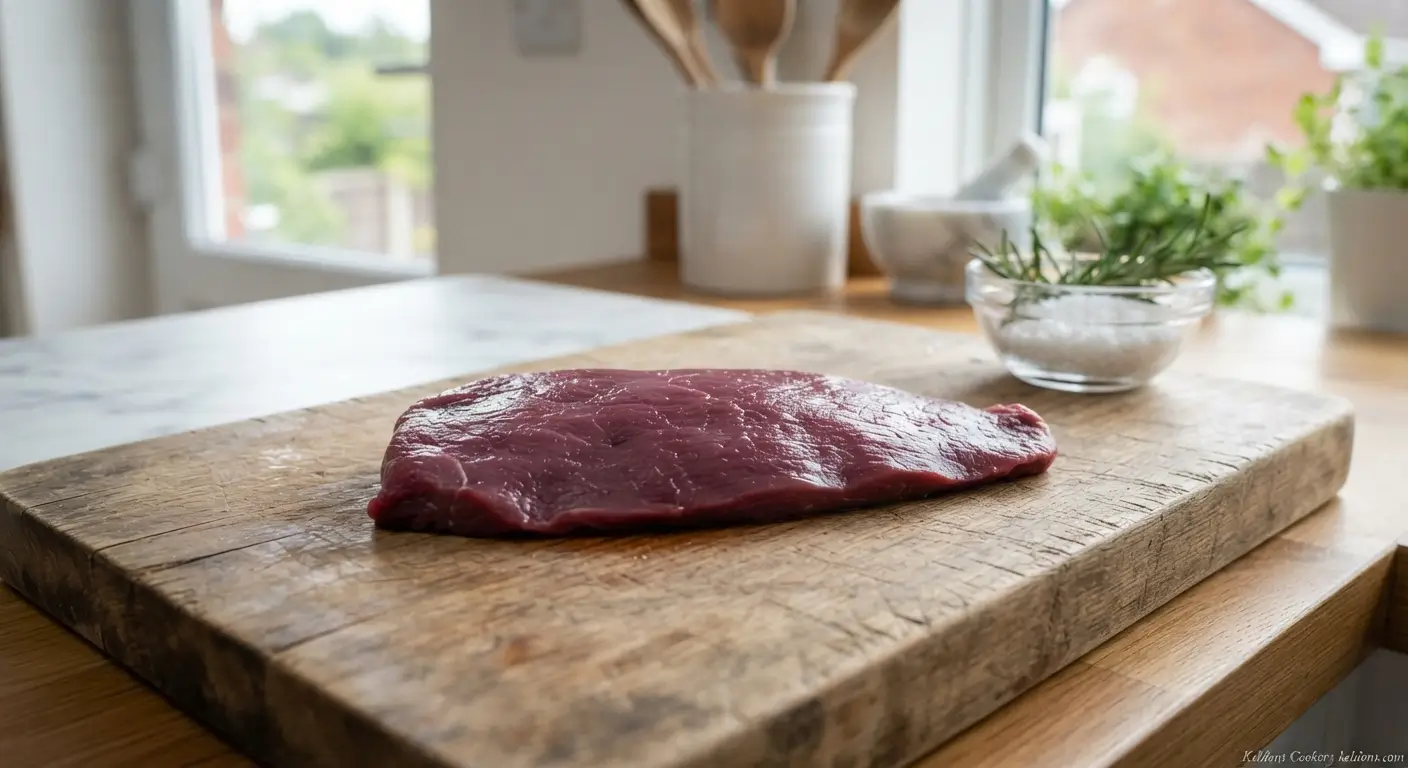
Kangaroo, pronounced as kan-guh-roo. This vibrant, dark red food provides an exciting way to enjoy deep, rich flavors while keeping your meals incredibly wholesome and light. The base ingredient we are exploring is raw kangaroo meat, which belongs to the parent category of wild game meats.
Nutritional Values
The history of this unique food goes back tens of thousands of years. Indigenous people across the Australian continent relied on it as a primary source of clean strength and nourishment long before modern kitchens existed. They mastered the art of cooking it over open fires, using special methods to trap the natural juices inside the lean muscle fibers so it stayed soft and savory. Every part of the animal was honored and used, making it a foundational element of traditional bush cooking that respected the land and its resources.
As towns and cities grew throughout Australia during the last two centuries, the popularity of this ingredient shifted significantly. For a long time, it was primarily used for animal food or overlooked by urban home cooks who preferred familiar European livestock like cattle and sheep. However, during the late twentieth century, professional chefs and home cooks alike began to rediscover the incredible culinary potential of this sustainable, free-ranging resource. Today, it has stepped into the international culinary spotlight, celebrated globally from European bistro menus to casual backyard barbecues for its distinct, clean taste and environmentally friendly profile.
Advertisement
Health Boosts From The Outback:
- Muscle Builder - This food provides a massive amount of clean protein to help repair and grow your muscles after hard work or exercise.
- Energy Producer - It contains exceptionally high levels of natural iron that help your blood carry oxygen efficiently throughout your body to fight off daily fatigue.
- Immune Protector - The meat delivers an abundance of zinc and vital B vitamins that keep your natural defenses strong and your mind sharp.
The Science Of Lean Meat In The Pan:
Cooking this ingredient is completely different from cooking a standard beef steak because it contains almost no internal fat marbles. Think of fat marbles in a regular steak like small melting ice cubes or a built-in protective blanket that keeps the meat fibers lubricated and safe from the intense heat of your stove. Because this food lacks that protective fat blanket, the naked muscle fibers are completely exposed to the direct heat. If you leave it on the stove for even a couple of minutes too long, those fibers will tighten up instantly like a squeezed sponge, pushing out all the moisture and turning your dinner into a dry, tough block.To prevent this from happening, you must use a rapid, high-heat approach that sears the outside quickly while leaving the inside beautifully tender and pink. When the meat hits a scorching hot pan, the outer surface undergoes a fast browning reaction that locks in the internal moisture. Think of this quick sear as creating a tiny raincoat around the steak that traps all the juices inside. Alternatively, if you choose to cook it slowly, you must submerge it completely in a rich liquid bath, like a warm winter blanket, using a low temperature for hours so the tough structural tissues can melt gently without drying out the meat.
Advertisement
Kitchen Preparation And Searing Mechanics:
When you are shopping for this meat at the market, look for a deep, dark red color without any grey edges or pooled liquid in the tray. When you bring it home, place the meat on a clean cutting board and always pat the surface completely dry with a paper towel before it goes anywhere near your cookware. Removing this surface moisture ensures that the meat sears immediately instead of steaming in its own puddles. Trim away any thin, silvery skin left on the outer edges using a sharp knife, as this skin will shrink and pull the meat out of shape when it cooks.The best basic way to cook a prime cut is a rapid pan-sear in a heavy cast-iron skillet. Heat your skillet over high heat until it is smoking hot, add a splash of high-heat oil, and lay the meat down with a loud sizzle. Cook it for just two to three minutes per side to achieve a perfect medium-rare finish, then remove it from the heat immediately. You must let the meat rest quietly on a warm plate for five full minutes before carving. This resting time allows the trapped juices to spread back out evenly through the muscle, ensuring every bite is tender. Like we always say at Keldons Cookery, give it the sniff test: if it smells bad, it will eat bad. When in doubt, throw it out.
Advertisement
Smart Shopping And Grocery Hacks:
- Mince Choice - Buy the ground version of this meat instead of prime steaks because it is far cheaper and works perfectly in everyday recipes like burgers, tacos, and meatloaves.
- Frozen Value - Check the freezer section for wild game specials where large cuts are often marked down significantly compared to the fresh meat counter cuts.
- Stew Cut Savings - Choose pre-diced stewing chunks which cost much less and become melt-in-your-mouth tender when simmered slowly with root vegetables and broth.
Advertisement
Where To Find It In Store:
You can easily find this item by walking over to the specialty game section of your local butcher shop, or by browsing the dedicated frozen meat bunker located in the back aisle of large international supermarkets.Bounding Past The Boring Dinners:
Do not let the fear of cooking wild game keep you from enjoying this incredible meal. By treating it with a little bit of respect on the stove and keeping your cooking times short, you can easily leap over any kitchen mistakes and serve a dinner that is truly unforgettable!Advertisement
Advertisement
Advertisement
Handy Tip
Elevate your grilling game by adding a smoky hickory flavor to your barbecue. Before you start grilling, soak a handful of hickory chips in water for about an hour. Then, sprinkle them onto your barbecue coals. Infuse your meats and veggies with a rich, smoky flavor.
Featured Offering
Ziti And Broccoli Casserole
Recipe of: Canada

Filed Under: Grain
Prep Method: Oven
Base: Ziti Pasta
Made with: 14 Ingredients
 / 2833
Advertisement
Keldons Cookery © 1998 - 2026 All rights Reserved | Secured with SSL
Homemade Goodness. Cook what you eat. Love what you cook!