Yellow Cornmeal
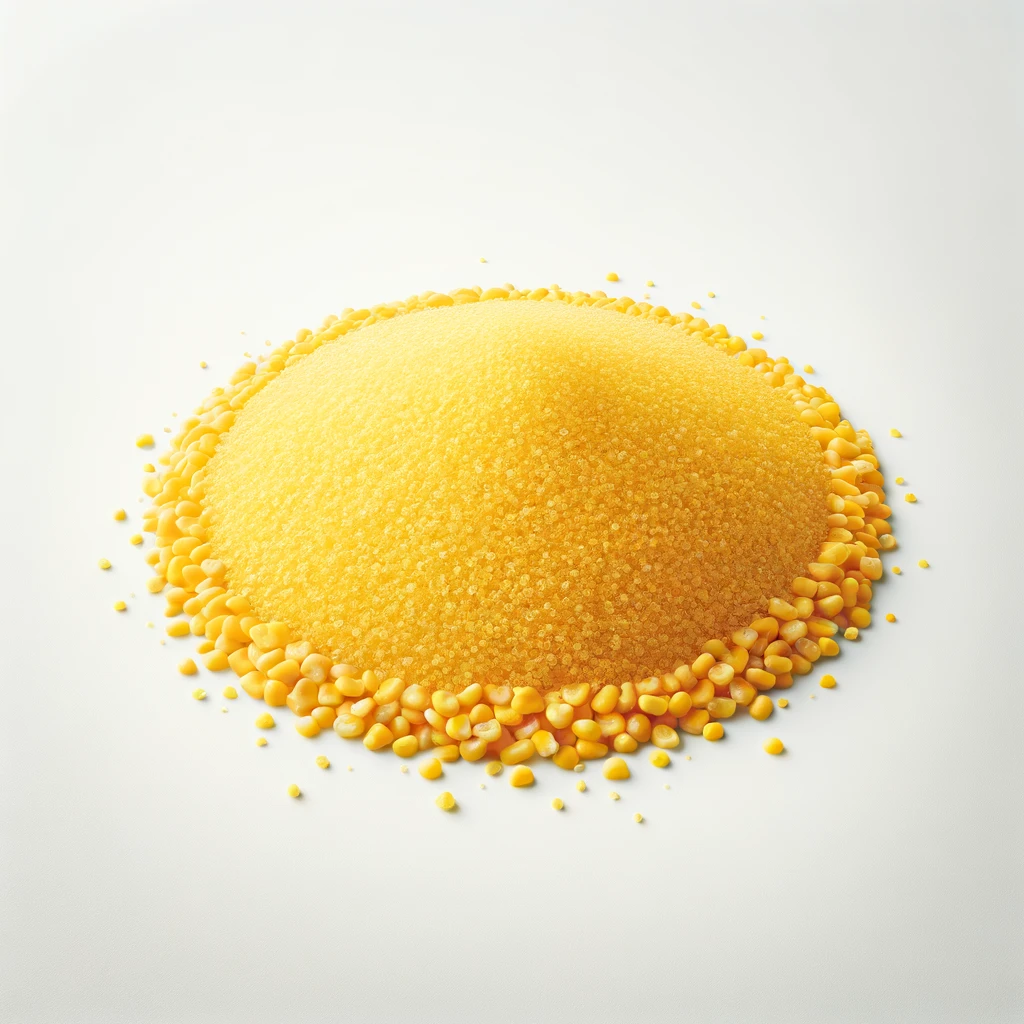
Yellow cornmeal is a coarse flour ground from dried maize which is another name for corn. The color ranges from pale yellow to deep golden, depending on the variety of corn used and the processing method.
Yellow cornmeal is distinguished from its white cornmeal counterpart by the type of corn used, with yellow cornmeal made from yellow corn kernels.
The process of making cornmeal involves drying the corn kernels and then grinding them into a coarse, fine, or medium texture. The texture affects the cornmeal's uses, with finer grinds often used for baking and coarser grinds for dishes that require a more corn texture and flavor.
There are two main types of cornmeal based on the processing method: Stone-ground Cornmeal: This type retains more of the hull and germ of the corn, giving it a richer flavor and higher nutritional content, including fiber. However, it also has a shorter shelf life due to the fat content in the germ.
Steel-ground Cornmeal: Most commercially available cornmeal is steel-ground, which means the hull and germ have been mostly removed. This process yields a finer product with a longer shelf life but less nutritional value and flavor compared to stone-ground corn.
It's a good source of carbohydrates and fiber, providing energy and aiding in digestion. It also contains essential vitamins and minerals, such as B vitamins, iron, magnesium, and phosphorus. Being naturally gluten-free, it's a popular alternative for those with gluten sensitivities though it's important to check packaging for cross-contamination if this is a concern.
Cornmeal has a rich history around the world. In the United States, cornmeal is a key component of Southern cuisine, integral to dishes like cornbread, hushpuppies, and grits. In Italian cuisine, polenta made from cornmeal is a versatile dish, served soft or allowed to set and then grilled or fried. Across Africa, cornmeal is used to make staple foods like ugali and sadza, served alongside soups, stews, and vegetables.
To extend its shelf life, yellow cornmeal should be stored in a cool, dry place. Stone-ground cornmeal, because of its higher fat content, can go rancid more quickly and may be best stored in the refrigerator or freezer if kept for a long period of time.
It's incredibly versatile and can be used in both sweet and savory dishes, including:
- Breads and Muffins: Cornbread, a staple in Southern United States cuisine, is perhaps the most well-known use of yellow cornmeal.
- Porridge: In various cultures, cornmeal is cooked into a porridge, known as polenta in Italy and sadza in Zimbabwe, among other names.
- Battered and Fried Foods: Cornmeal is used as a coating for frying foods, such as fish and chicken, to create a crispy exterior.
- Pizzas and Pancakes: A sprinkling of cornmeal can prevent dough from sticking and add texture to the crust.
Advertisement
Quick Picks
 / 1119
 / 5015 / 2029 / 2268
Advertisement
Advertisement
Handy Tip
Make your own ginger juice easily by using a garlic press. Just take a 1 x 2 inch piece of ginger root, squeeze it with the press, and quickly get about 1 tablespoon of fresh ginger juice. This hack is a quick way to add a burst of flavor to your drinks and dishes with minimal effort.
Featured Offering
Zucchini Milk
Recipe of: Canada

Filed Under: Fruit
Prep Method: Food Processor
Made with: 1 Ingredients
/ 2799Advertisement
Keldons Cookery © 1998 - 2026 All rights Reserved | Secured with SSL
Homemade Goodness. Cook what you eat. Love what you cook!