Ingredients starting with C
Cabbage
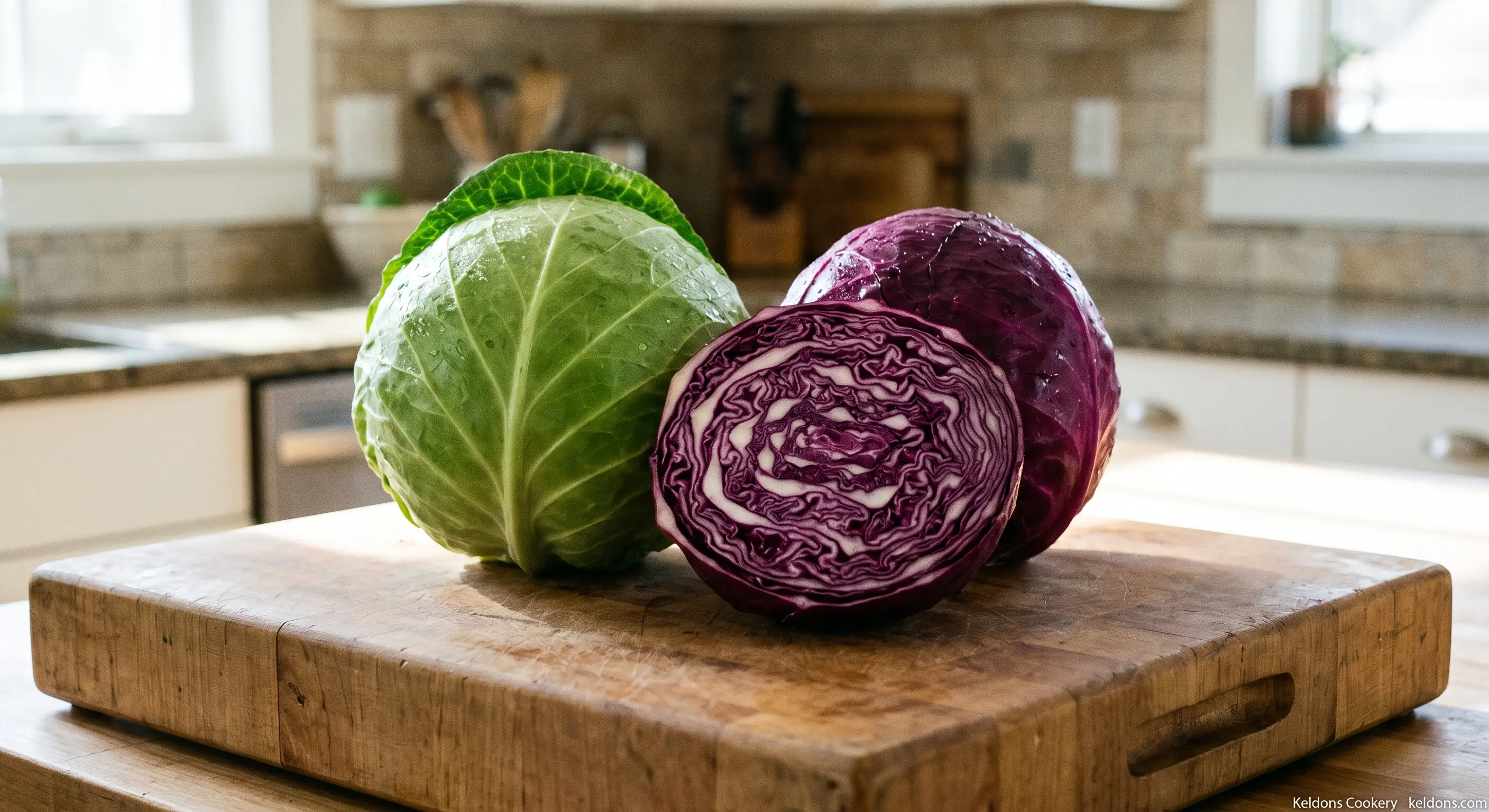
Cabbage, (pronounced - KAB-ij). Long before this crunchy brassica superstar ruled backyard cookouts and winter stews, seafaring explorers loaded entire barrels of fermented heads to beat scurvy across long ocean voyages. Packed with crisp moisture and hearty ribs, it brings sweet earthy bite whether sliced fine for spicy slaws, seared into charred skillet steaks, or dropped into simmering savory broths. It holds up under high burner flames where delicate tender greens wilt into mush. Inexpensive and tough, it is an absolute workhorse for every hungry home cook.
Nutritional Values
Cake Flour
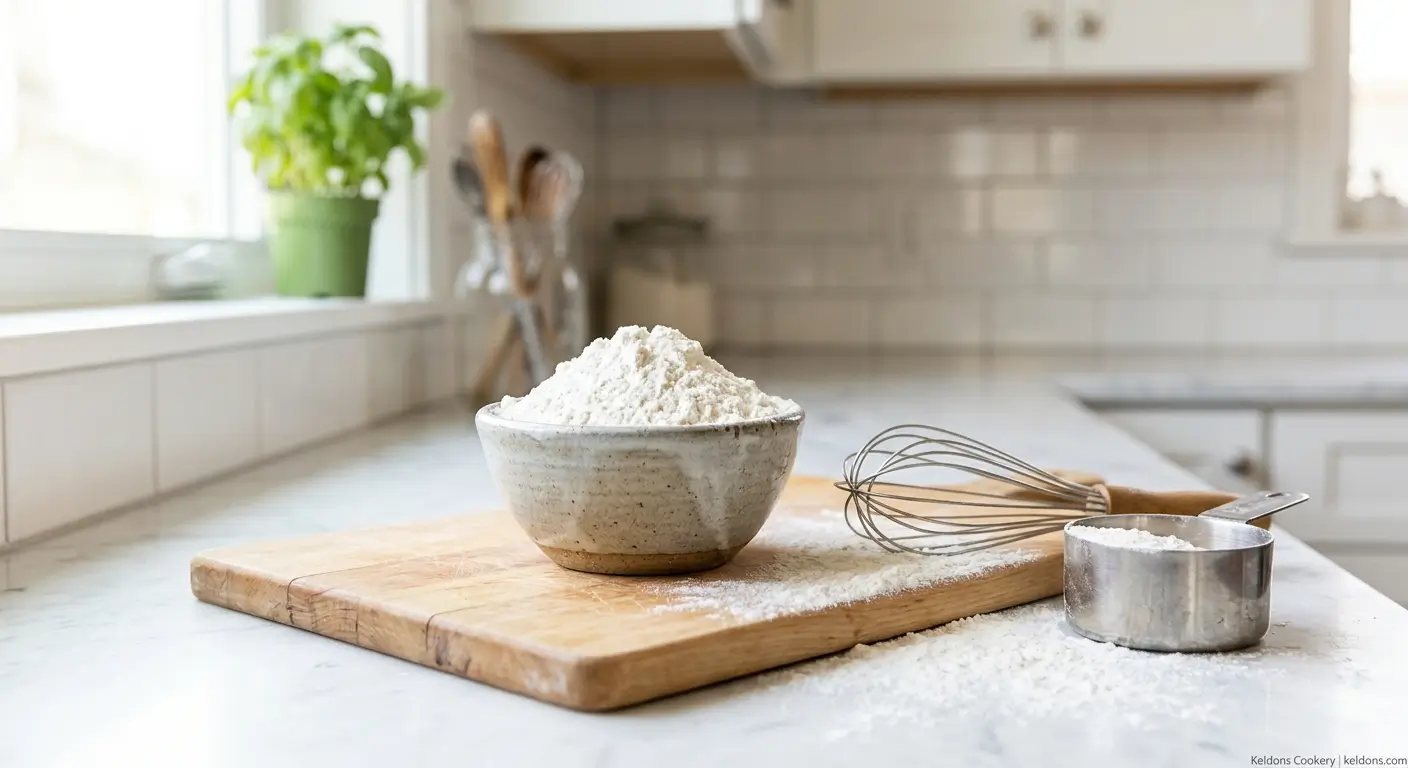
Cake Flour, (pronounced - KAYK flour). Long before boxed convenience cake mixes filled supermarket aisles worldwide, nineteenth-century American millers ground soft winter wheat into an ultra-fine, low-protein powder specifically designed to create feather-light celebratory bakes. Chlorinated and finely milled, its low gluten content yields tender, velvety crumbs that hold high ratios of butter and sugar without sinking. Beyond birthday layers, it softens tea scones and tenderizes pie dough. Delicate and pure, it is an essential pantry staple to master tender bakes.
Nutritional Values
Cake Sprinkles

Cake Sprinkles, (pronounced - kayk SPRING-kulz), are tiny, colorful sugar-based confectionery bits crafted to decorate baked goods, frozen treats, and party desserts. Dating back to eighteenth-century European nonpareils and Dutch hagelslag breakfast toppings, modern varieties blend granulated sugar, cornstarch, vegetable oils, and edible food colorings into glossy, shelf-stable shapes. Home cooks keep these cheerful pantry staples on hand to add instant visual flair, delicate crunch, and festive personality to frosted layer cakes, birthday cupcakes, sugar cookies, donuts, and sundaes.
Nutritional Values
Canola Oil
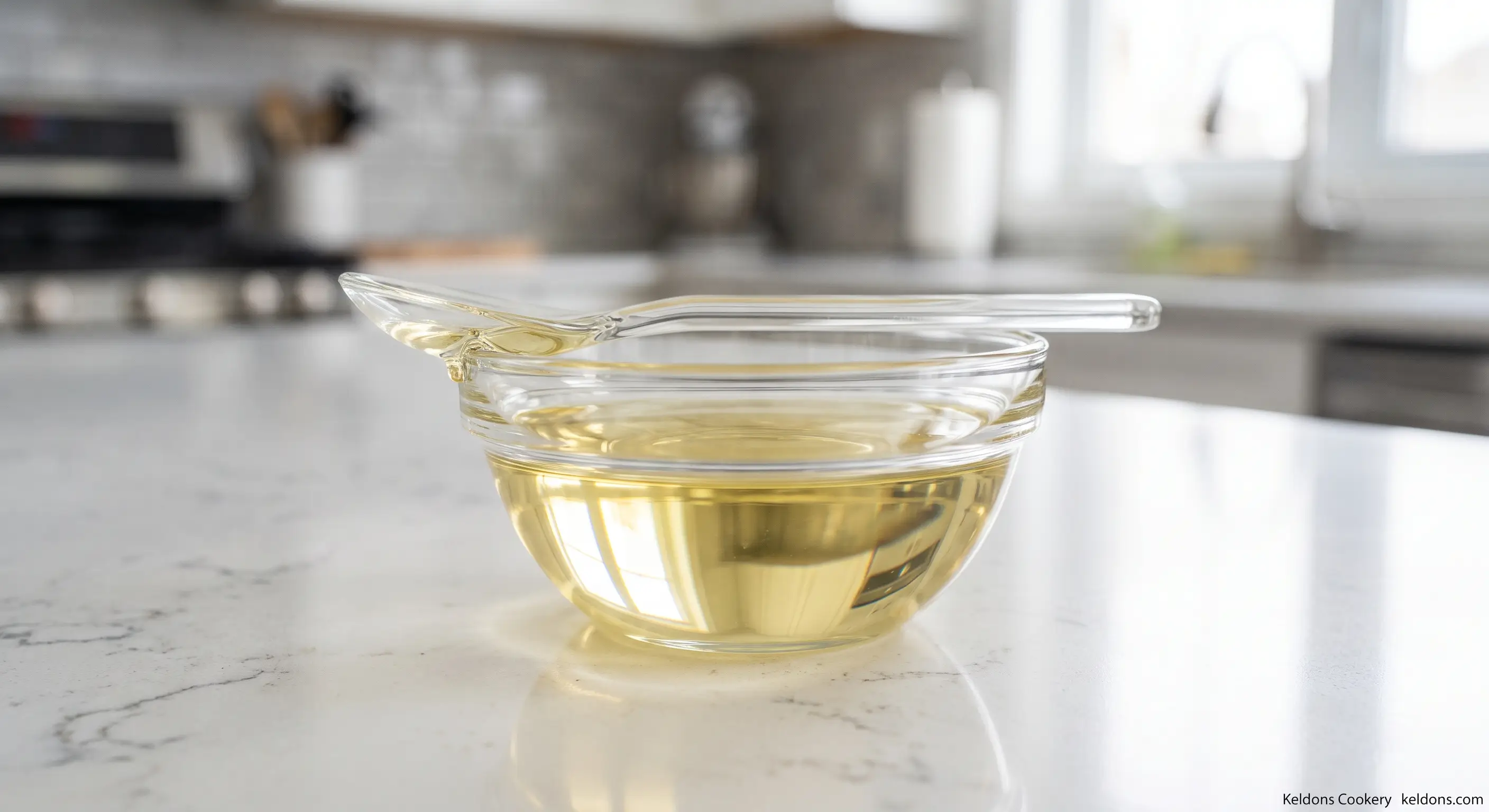
Canola Oil, (pronounced - kuh-NOH-luh oyl), is a light, pale-gold vegetable oil pressed from the tiny dark seeds of the canola plant, a specially bred cultivar of rapeseed developed in Canada during the 1970s. Prized for its clean, virtually flavorless profile and remarkably low saturated fat content, this versatile kitchen workhorse boasts a high smoke point around 400°F to 450°F. Home cooks rely on canola oil for high-heat pan searing, crispy deep-frying, ultra-moist cakes and muffins, and neutral homemade mayonnaise.
Nutritional Values
Capers
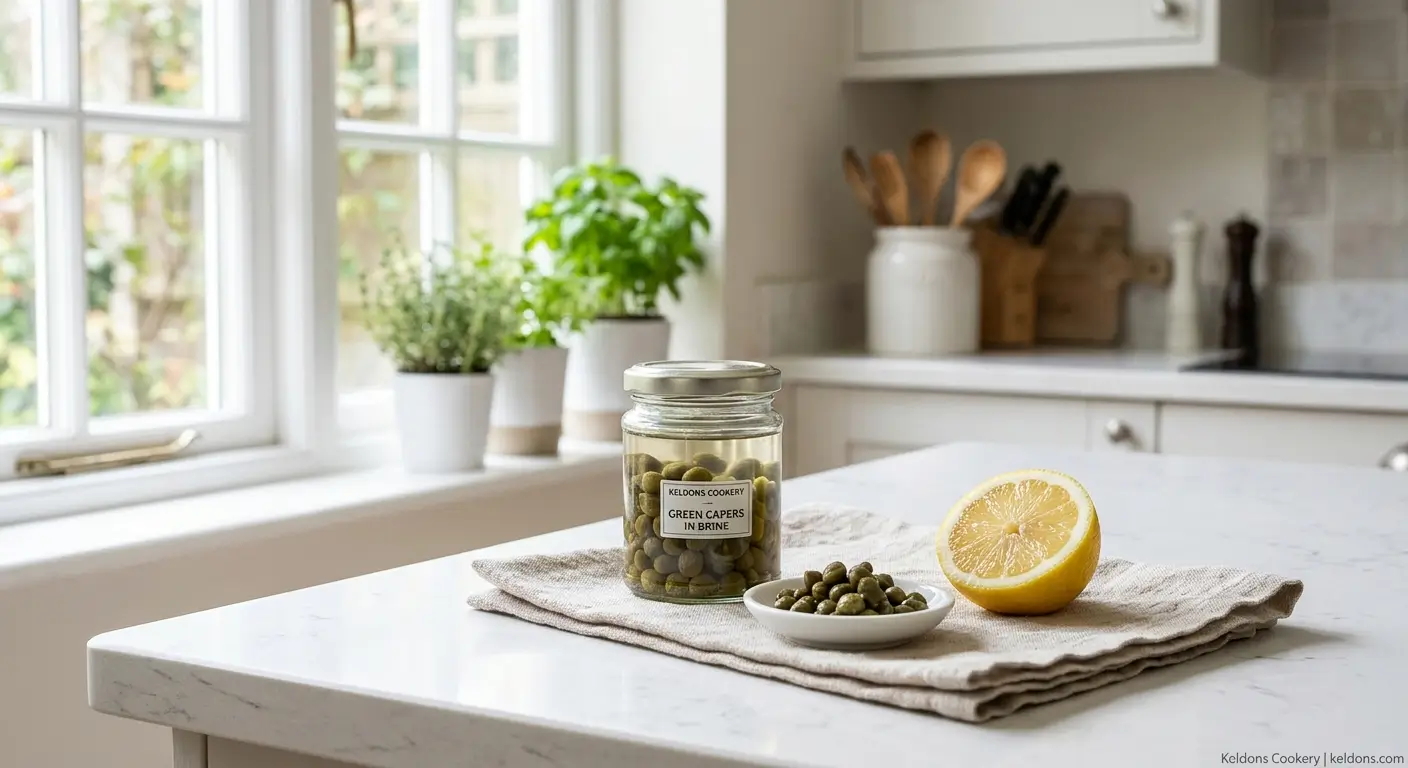
Capers (pronounced kay-perz) are an incredible secret weapon for home cooks looking to add a quick pop of tangy excitement to their meals. These tiny green drops are actually the unripened flower buds of a Mediterranean shrub, which are sun-dried and pickled in a sharp vinegar brine to concentrate their distinct, peppery punch. Because they are intensely savory and sour, just a small spoonful will completely cut through heavy cream sauces, brighten up compound white butters, and lift simple pan gravies. They bring a vibrant finish to your cooking.
Nutritional Values
Carrot
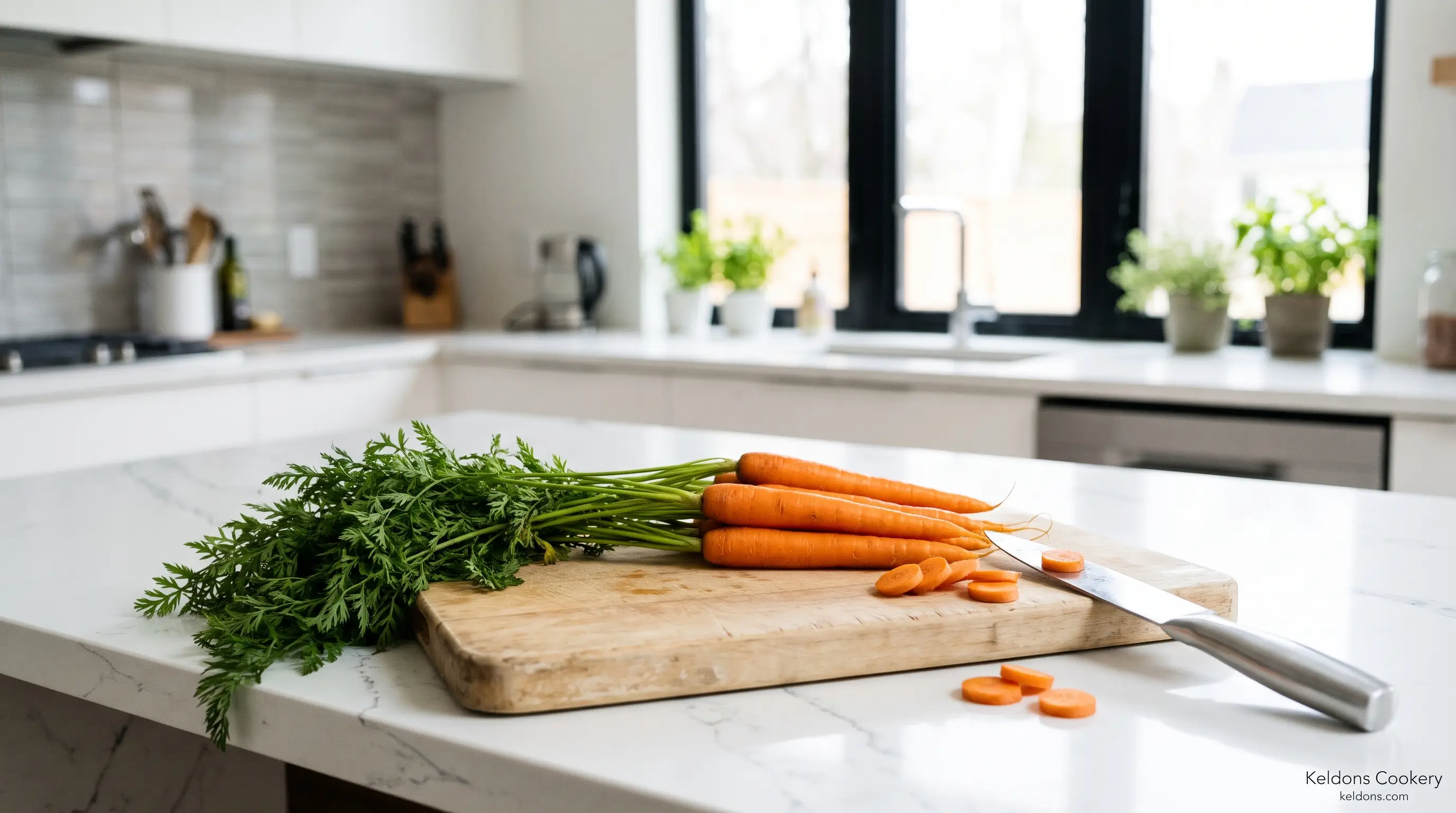
Carrot, (pronounced - KAIR-uht). Bright, earthy, and packed with crisp snap, this iconic taproot vegetable anchors culinary foundations worldwide, most famously alongside celery and onions in classic French mirepoix. Naturally high in simple sugars that concentrate into rich caramel notes when roasted or braised, carrots bring versatile color and balance to everything from rustic beef stews to moist spiced tea cakes. Raw or cooked, they deliver an essential crunch and sweetness every home cook relies on.
Nutritional Values
Caster Sugar
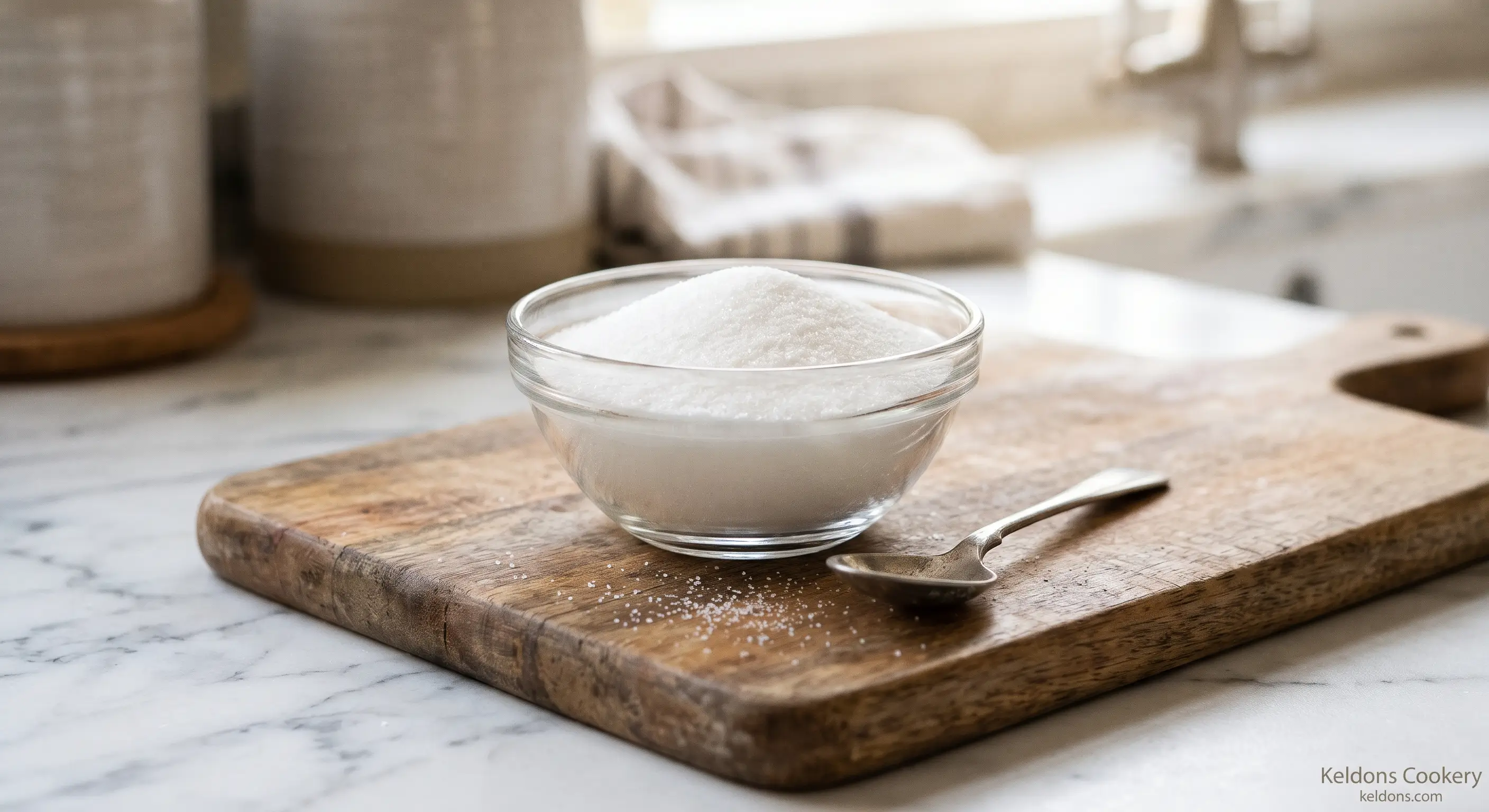
Caster Sugar, (pronounced - KAS-ter SHOO-ger), is a pure, unbleached white cane or beet sugar milled into tiny, uniform crystals that sit squarely between standard granulated sugar and powdery confectioners' sugar. Named after the perforated shaker pots historically used to sprinkle it over fruit and desserts, this superfine staple is prized across British, Australian, and European kitchens. Because its fine grains dissolve almost immediately in cold liquids and whipped egg whites without added cornstarch, cooks rely on it for glossy meringues, tender sponge cakes, and smooth cold drinks.
Nutritional Values
Celery
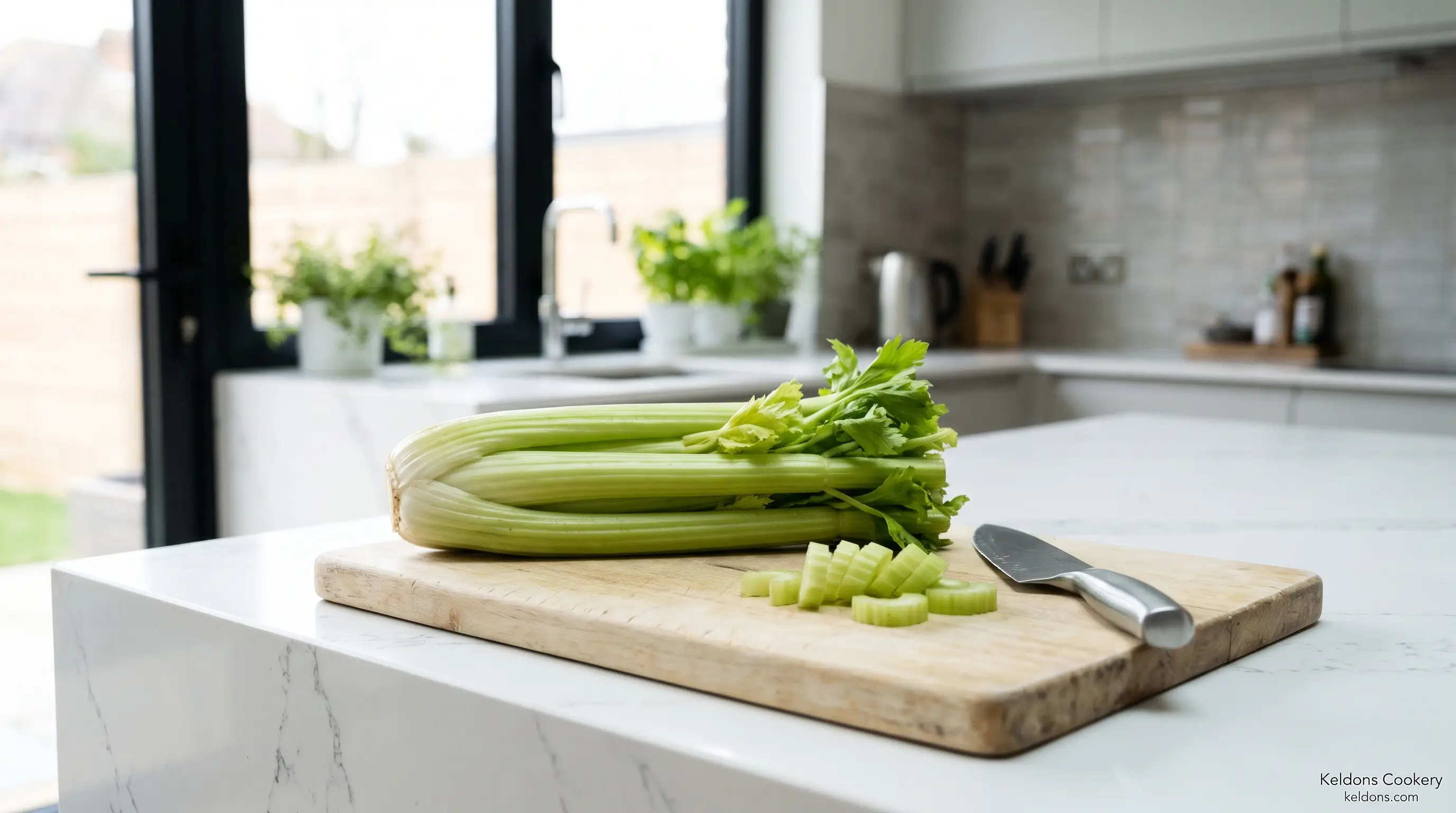
Celery, (pronounced - SEL-uh-ree). Crisp, pale green, and packed with thirst-quenching freshness, this marshland biennial serves as a cornerstone aromatic across global cuisines. Teaming up with onions and carrots to build French mirepoix or starring in Cajun cooking's Holy Trinity, its salty, herbal snap forms the invisible backbone of classic stocks and gravies. Whether braised until tender, stirred into chicken salad, or enjoyed raw with dip, it brings refreshing crunch and clean balance.
Nutritional Values
Celery Salt
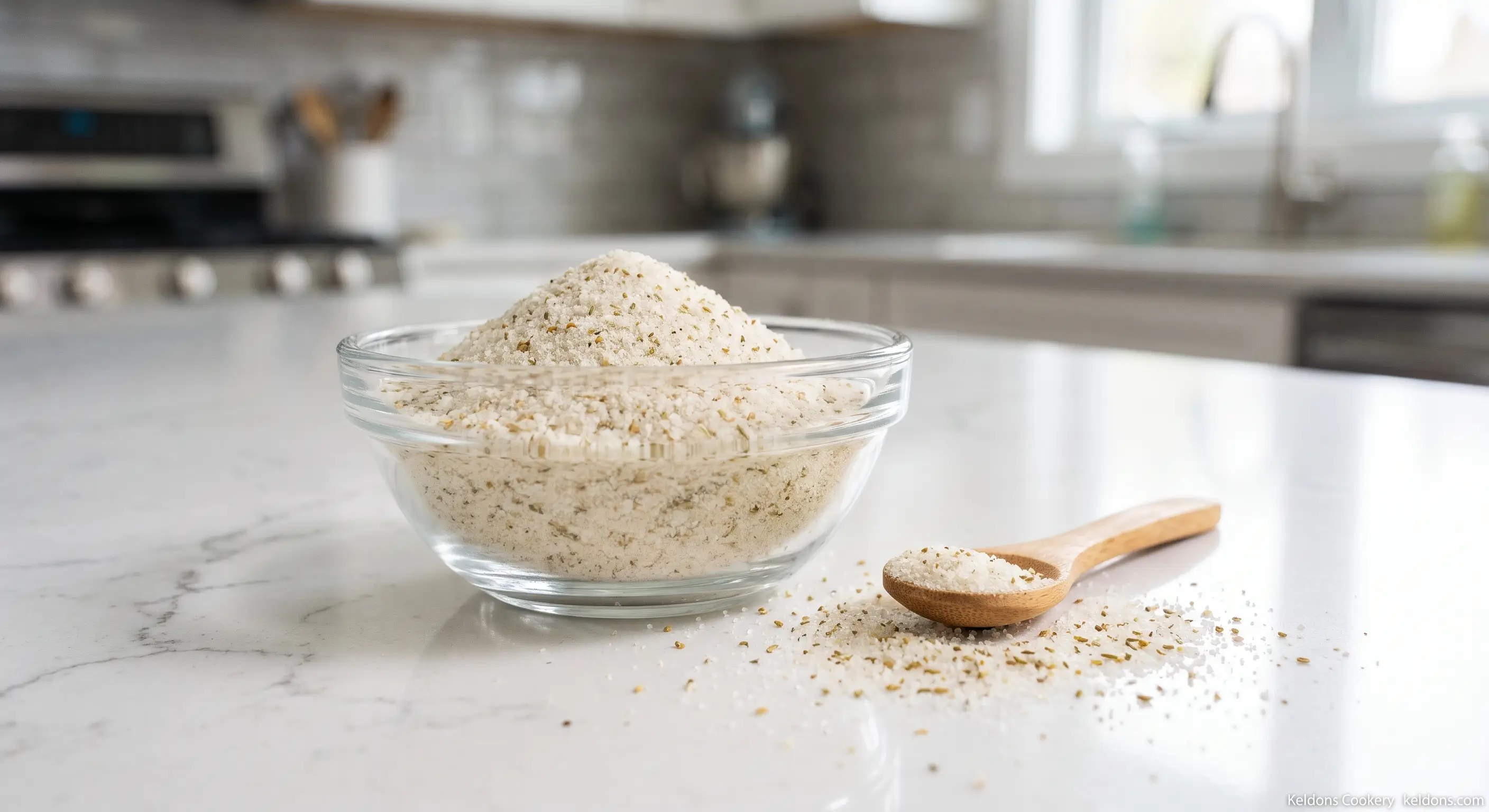
Celery Salt, (pronounced - SEL-uh-ree sawlt), is a classic savory seasoning blend made by combining finely ground celery seeds—or dehydrated celery leaf oleoresin—with fine table salt. Beloved across American diners, New England seafood shacks, and classic cocktail bars, this pale golden-flecked salt delivers an earthy, slightly bitter, herbal punch that tastes far richer and more complex than plain sodium chloride. Home cooks rely on celery salt to finish Chicago-style hot dogs, rim Bloody Mary glasses, brighten creamy potato salads, and season steamed crab or shrimp.
Nutritional Values
Celery Seed
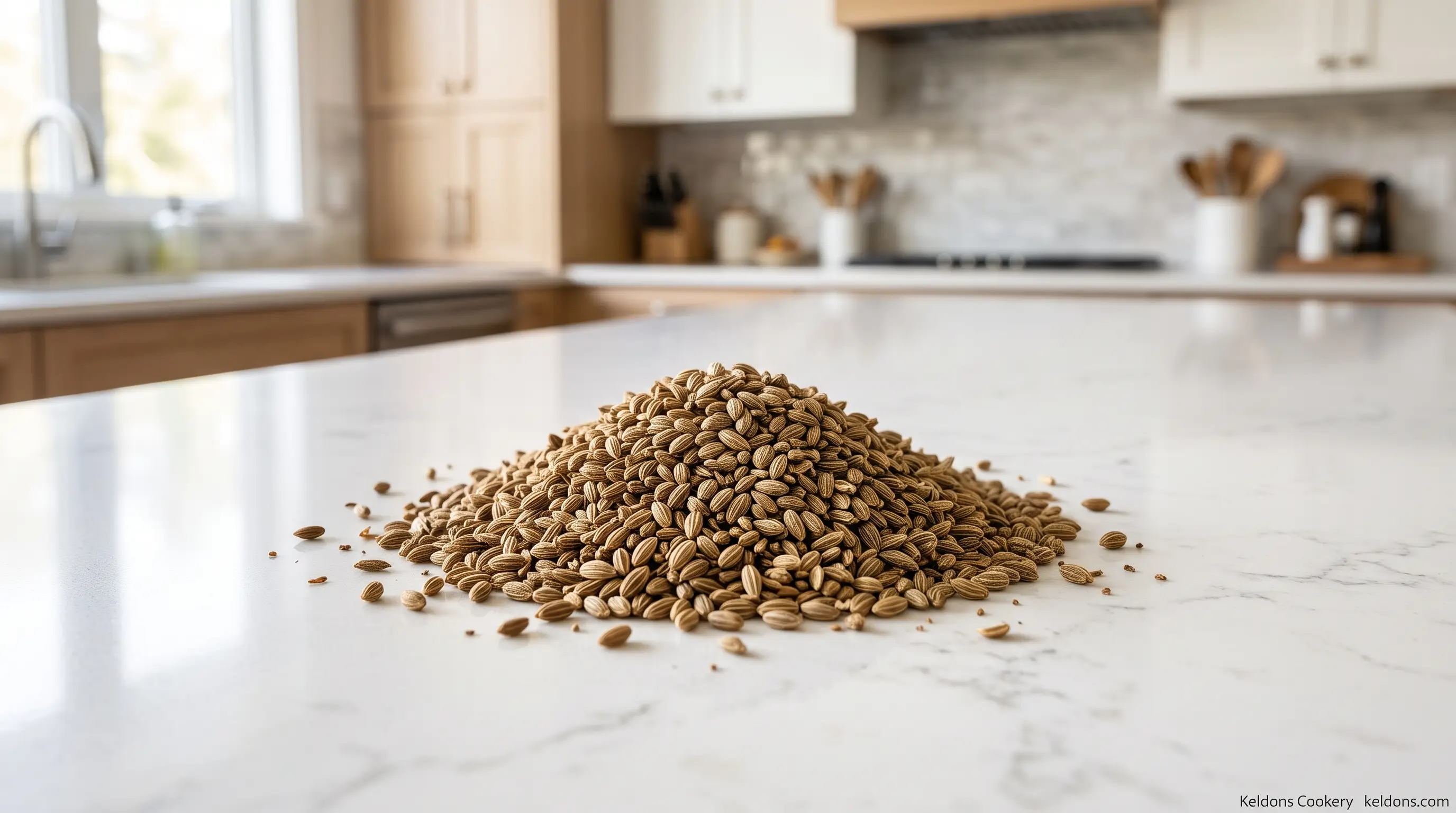
Celery Seed, (pronounced - SEL-uh-ree seed), is a tiny, intensely aromatic spice harvested from the dried fruits of wild celery, also known as smallage. Native to the Mediterranean region and cultivated across Europe and India for thousands of years, these dark brown seeds pack the concentrated savory essence of fresh stalks into a potent pantry staple. Home cooks rely on their warm, slightly bitter, herbal punch to brighten creamy picnic salads, season savory spice rubs, flavor classic Bloody Mary cocktails, and infuse crisp homemade vegetable pickles with unmistakable depth.
Nutritional Values
Page 1 of 4
Handy Tip
Don't throw your pickle juice away. It's great for making salad dressings, marinating meat, or even as a quirky addition to cocktails. This flavorful liquid can add a tangy twist to your dishes and drinks, providing both flavor and health benefits.
Advertisement
Keldons Cookery © 1998 - 2026 All rights Reserved | Secured with SSL
Homemade Goodness. Cook what you eat. Love what you cook!