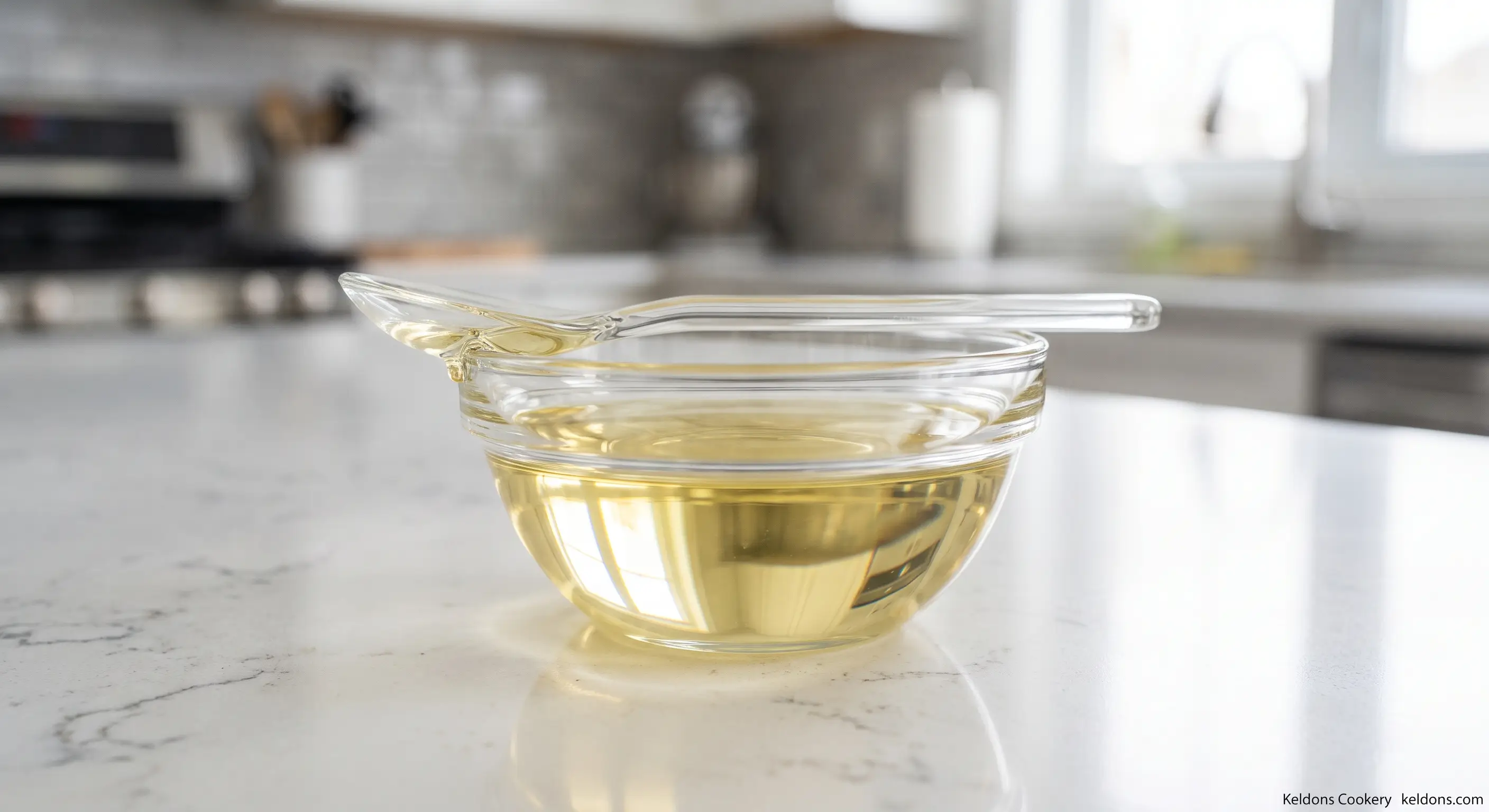
Canola Oil
Nutritional Values
Neutral Flavor & Silky Light Body
- Invisible Flavor Canvas: Refined canola oil tastes crisp, clean, and completely neutral, allowing delicate spices, fresh herbs, bright citrus vinaigrettes, and vanilla cake batters to shine without heavy oily aftertastes.
- Heart-Smart Fat Profile: Packing the lowest saturated fat of any common culinary oil alongside beneficial monounsaturated fats and plant-based omega-3 alpha-linolenic acid, it keeps everyday meals light and balanced.
High-Heat Searing & Deep-Frying
- 400°F+ Smoke Point Stability: Withstands high skillet and wok temperatures cleanly without scorching or smoking prematurely, making it ideal for browning chicken cutlets, stir-frying vegetables, and searing steaks.
- Crisp Golden Fry Performance: Low viscosity lets canola oil drain cleanly off fried foods, yielding shatteringly crisp French fries, buttermilk fried chicken, and golden doughnuts without greasy heaviness.
Advertisement
Moist Baking & Creamy Emulsions
- Tender Cakes & Quick Breads: Because canola oil stays liquid at room temperature unlike solid butter, cakes, brownies, carrot cake, and banana muffins stay noticeably softer and moister for days after baking.
- Foolproof Mayo & Dressings: Whisk slowly into egg yolks, Dijon mustard, and lemon juice to build thick, glossy homemade mayonnaise, aioli, or creamy Caesar dressing that never solidifies when chilled.
Smart Baking & Cooking Swaps
- Butter-to-Oil Baking Ratio: Replace melted butter in muffin, pancake, or cake recipes with three-quarters as much canola oil (three tablespoons oil per quarter-cup butter) to match fat richness without extra moisture.
- Everyday Neutral Oil Stand-Ins: Out of canola oil? Swap in pure vegetable oil, refined safflower oil, sunflower oil, or grapeseed oil one-for-one across frying, sautéing, and baking recipes.
Advertisement
Pantry Care & Rancidity Prevention
- Cool Dark Cupboard Away From Heat: Never store canola oil beside a hot stove burner or sunny windowsill, as heat and UV light accelerate oxidation—tuck it tightly capped inside a cool, dark pantry.
- Shelf Life & Reuse Rules: Unopened bottles stay fresh for one to two years, while opened bottles peak within six months; strained deep-frying oil can be chilled and reused two to three times.
Advertisement
Smooth Operator on Every Burner
Canola oil might not brag like fancy extra-virgin olive oil or browned butter, yet it quietly carries half your kitchen on its shoulders from morning pancakes to Friday night stir-fries. With its sky-high smoke point, invisible flavor, and superpower for keeping carrot cake ridiculously moist, a fresh bottle belongs right within arm's reach of every stove. Keep it tucked in a cool dark cupboard away from burner heat, and your pans will always run smooth as silk.Advertisement
Advertisement
Advertisement
Handy Tip
If your homemade mayonnaise separates, you can often fix it by whisking in a tablespoon of cold water. If that doesn't work, start with a new egg yolk in a bowl and gradually whisk in the broken mayonnaise. This simple hack can save your sauce and restore its creaminess.
Featured Offering
Cognac And Anchovy Butter
Recipe of: France

Filed Under: Fish
Prep Method: Mix
Made with: 4 Ingredients
Advertisement
Keldons Cookery © 1998 - 2026 All rights Reserved | Secured with SSL
Homemade Goodness. Cook what you eat. Love what you cook!