Ingredients starting with C
Cloves
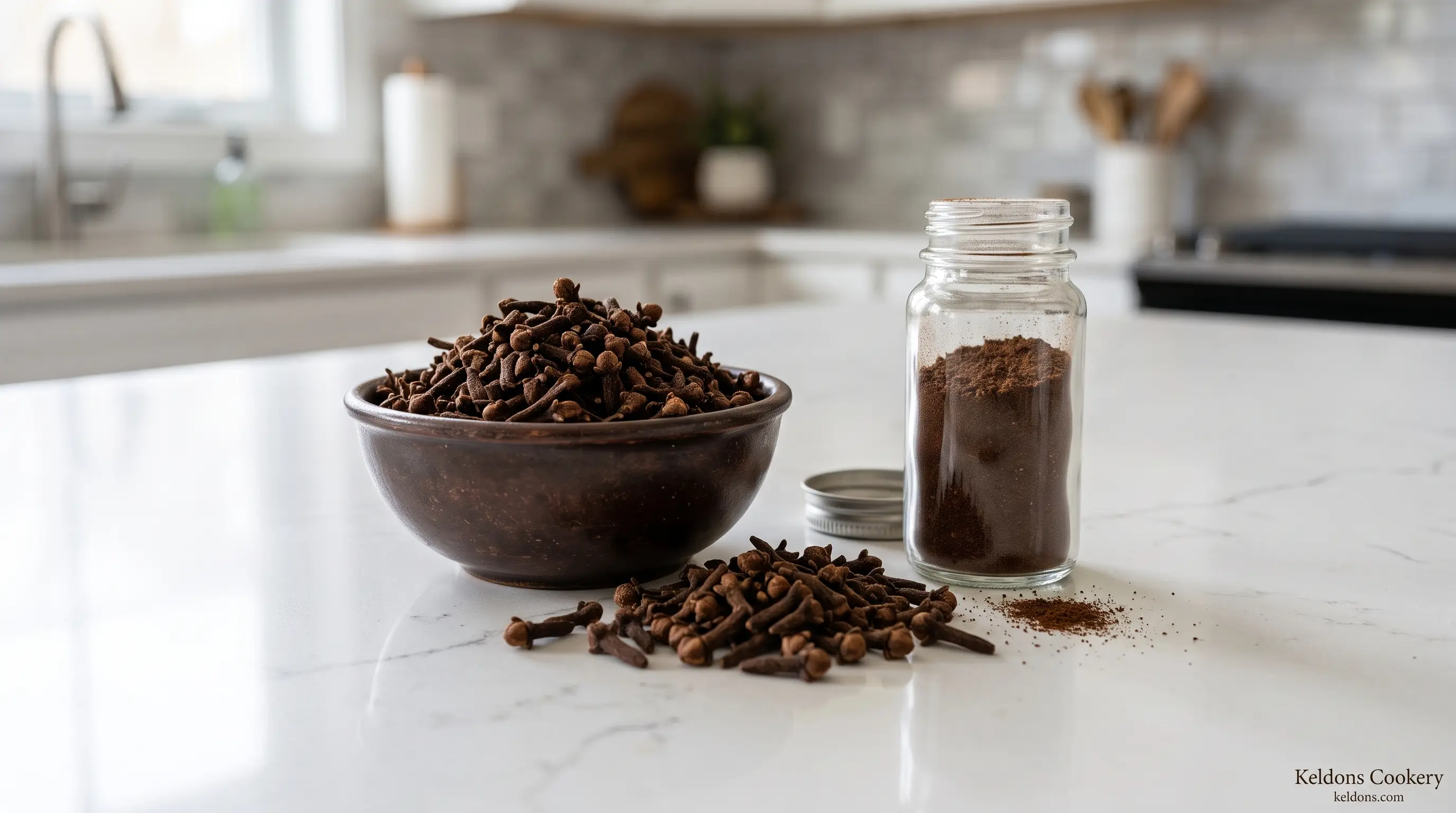
Cloves, (pronounced - KLOHVZ). Long before ancient spice traders braved perilous oceanic trade routes to harvest these prized aromatic flower buds from Indonesian archipelagos, their intense fragrance captivated royal courts and apothecaries across continents. Packed with potent eugenol oils, they infuse warm sweetness into holiday bakes, anchor slow-simmered winter broths, and stud celebratory glazed hams. Beyond baking, their punchy antiseptic essence freshens stuffy kitchen air and numbs toothaches. Sharp and potent, a tiny pinch completely commands any savory or sweet dish.
Nutritional Values
Club Soda

Club Soda, (pronounced - klub SOH-duh), is purified water artificially carbonated under pressure and infused with trace mineral salts such as sodium bicarbonate, sodium citrate, and potassium sulfate. Developed in the nineteenth century to replicate natural effervescent mineral springs, this clear, zero-calorie liquid delivers brisk bubbles and a clean, subtly salty mineral finish. Home cooks rely on chilled bottles not only to lengthen highball cocktails and citrus spritzers, but also to aerate crispy tempura frying batters, lighten waffle and pancake mixes, and lift stubborn fruit or wine stains from kitchen linens.
Nutritional Values
Cocoa Butter
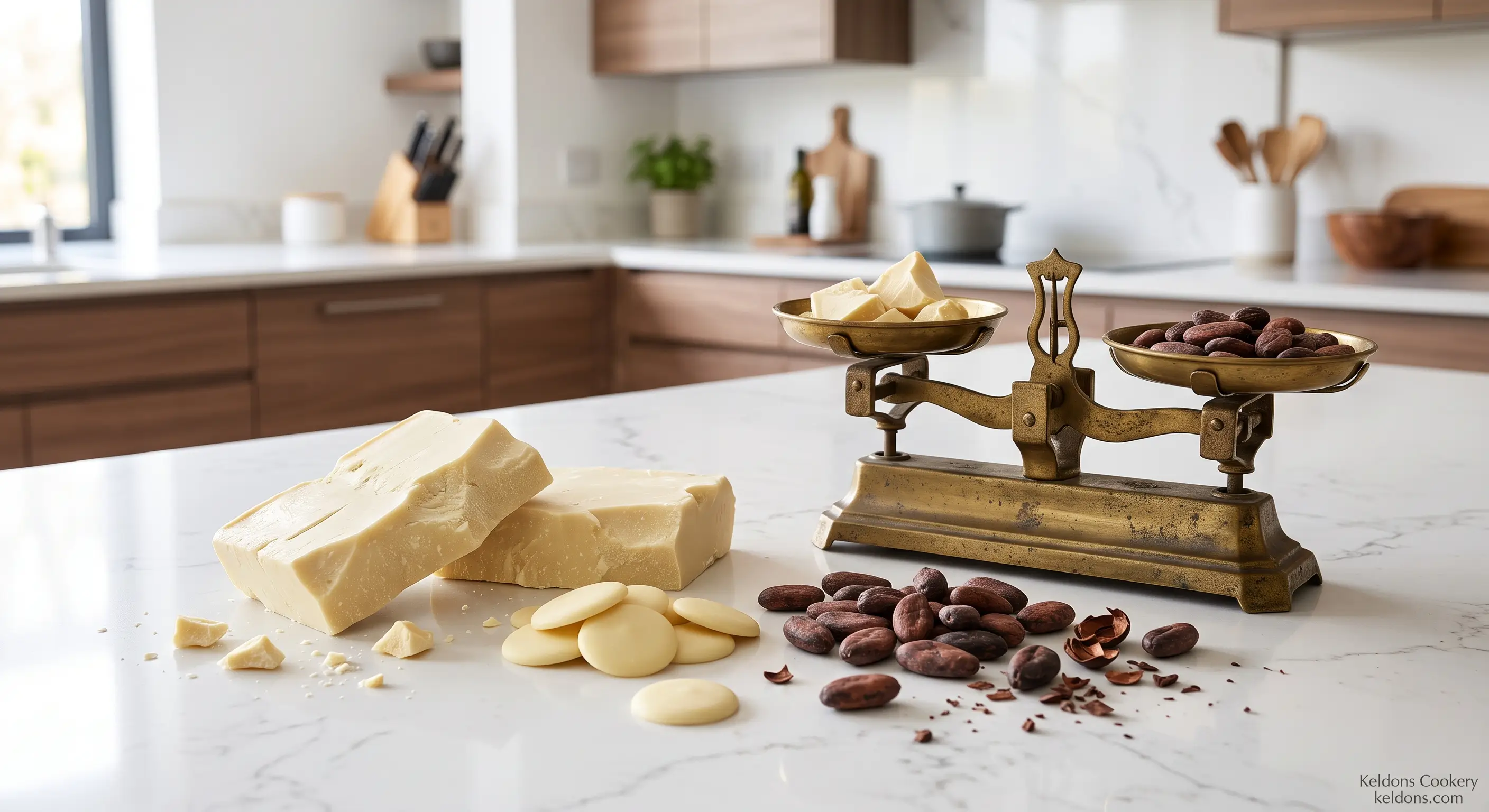
Cocoa Butter, (pronounced - KOH-koh BUT-er). In 1828, Dutch chemist Coenraad van Houten patented a mechanical screw press that squeezed pale, fragrant oil out of roasted cacao beans, forever changing the global chocolate industry. This firm, ivory-hued vegetable fat boasts a remarkably sharp melting point right around human body temperature, providing confections their signature glossy snap and creamy mouthfeel. In cooking, it adds subtle chocolate fragrance to pan-seared scallops, anchors artisanal white chocolate bars, and conditions dry kitchen hands. It is an extraordinary baking fat.
Nutritional Values
Cocoa Powder
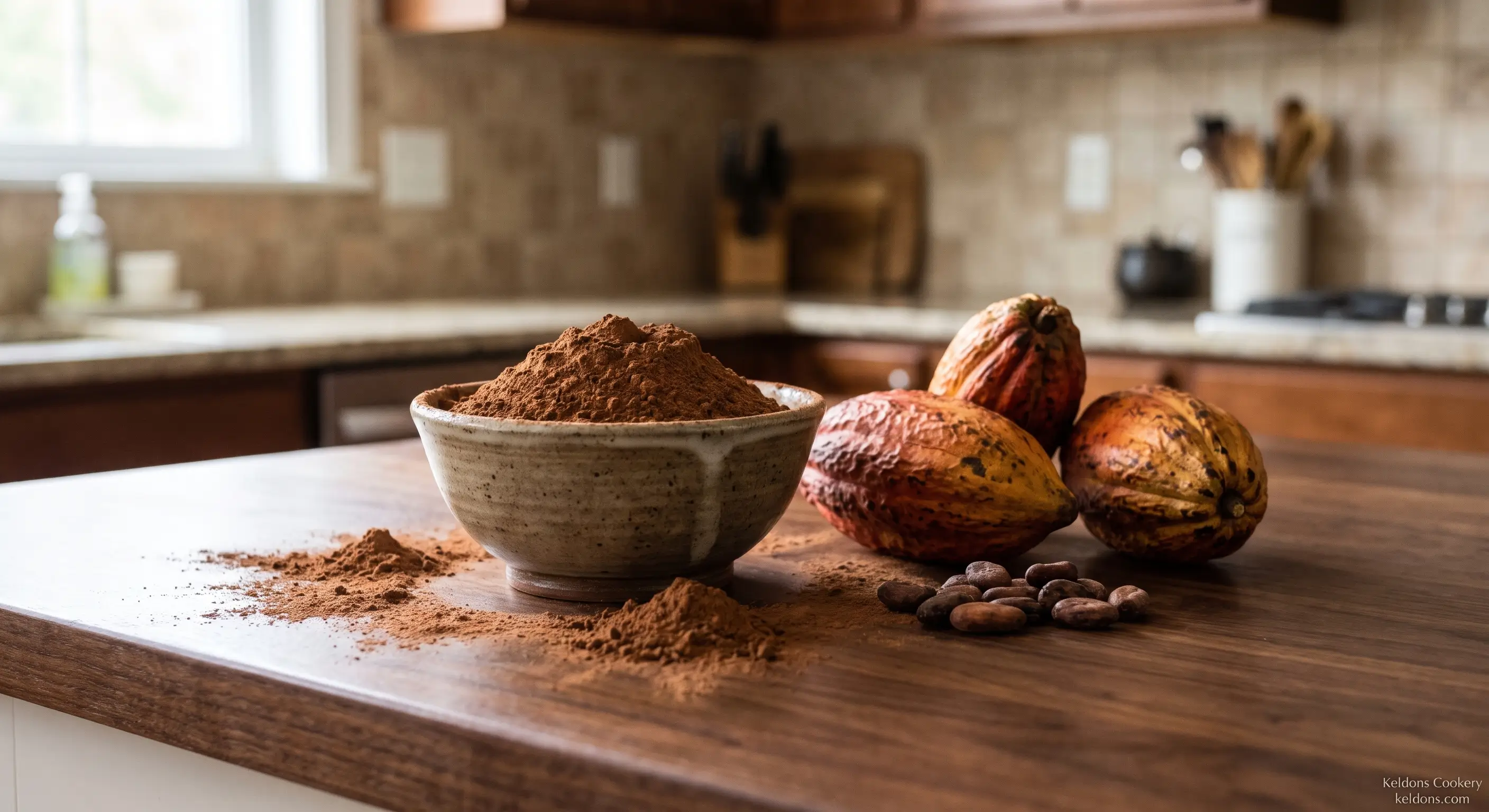
Cocoa Powder, (pronounced - KOH-koh POW-der). Long before this velvety dark dust found its way into fudgy birthday cakes and sweet morning mugs, ancient Mesoamerican dynasties revered roasted cacao as sacred liquid currency. Made by pressing rich cocoa butter out of roasted beans and finely grinding the remaining solids, it packs intense, pure chocolate bitterness without extra sugar or dairy fat. A small spoonful deepens fiery chili pots, elevates delicate dessert sponges, and crafts silky homemade truffles. It is an indispensable titan of the baking pantry.
Nutritional Values
Coconut
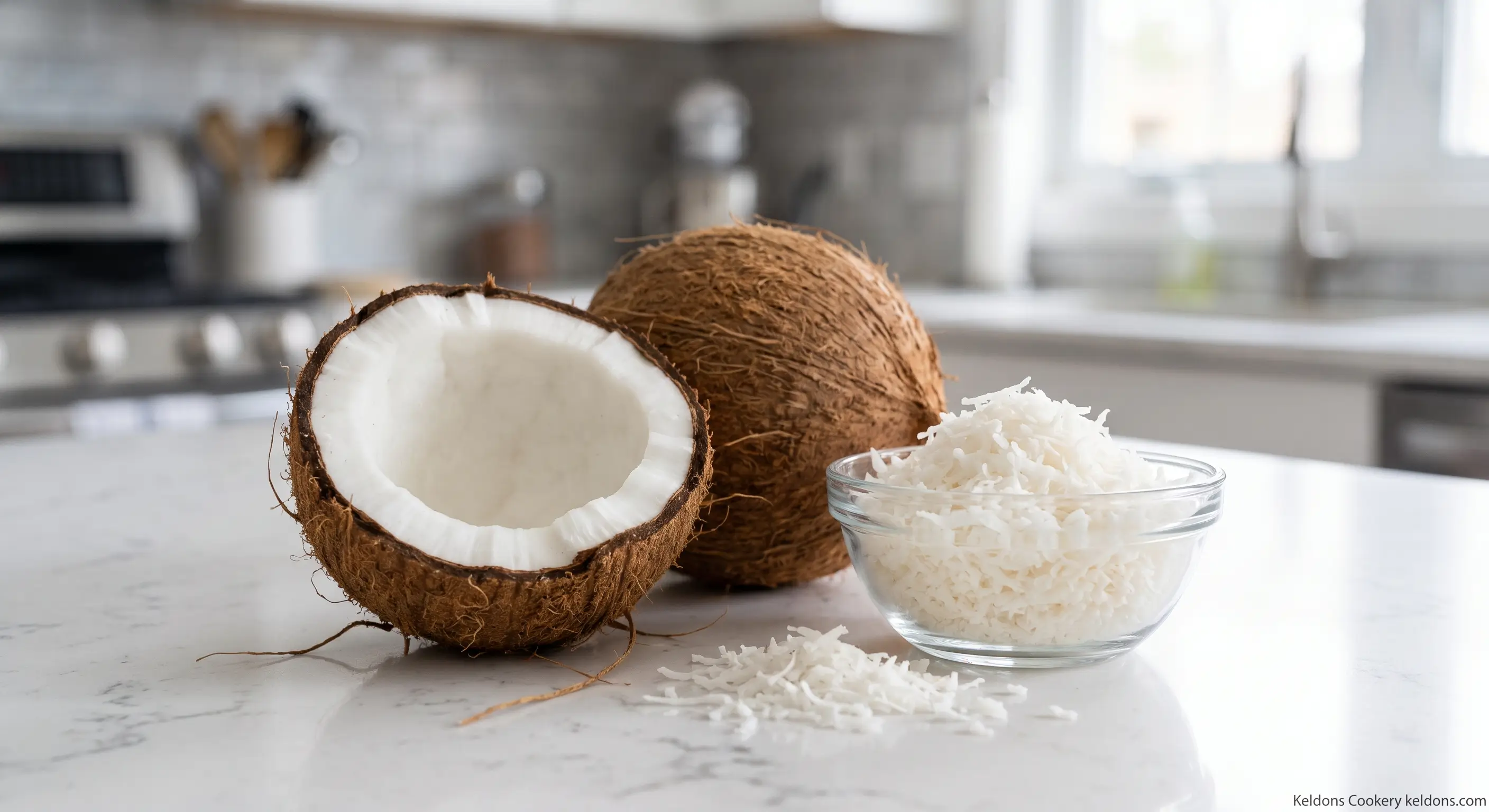
Coconut, (pronounced - KOH-kuh-nut), is the large, hard-shelled tropical drupe harvested from the Cocos nucifera palm tree, prized worldwide for its crisp white meat, refreshing clear water, and rich pressed milk. Native to the coastal Indo-Pacific and cultivated across warm tropical belts globally, a single coconut yields both sweet savory depth and tender chewy texture. Home cooks rely on fresh chunks, grated flakes, and toasted shreds to anchor fragrant Thai curries, fluffy layer cakes, chewy macaroons, tropical smoothies, and crispy breaded shrimp.
Nutritional Values
Cognac

Cognac, (pronounced - KOHN-yak), is the gold standard of culinary spirits, distilled from specific white wine grapes twice in copper pot stills before aging inside French oak casks. Produced exclusively in the Cognac region of southwestern France, this amber liquid brings sophisticated warmth, subtle dried-fruit sweetness, and fragrant floral notes to gourmet kitchens. Whether reducing down into a velvety steak au poivre sauce or uplifting rich pastry creams, it delivers unrivaled depth.
Nutritional Values
Confectioners' Sugar
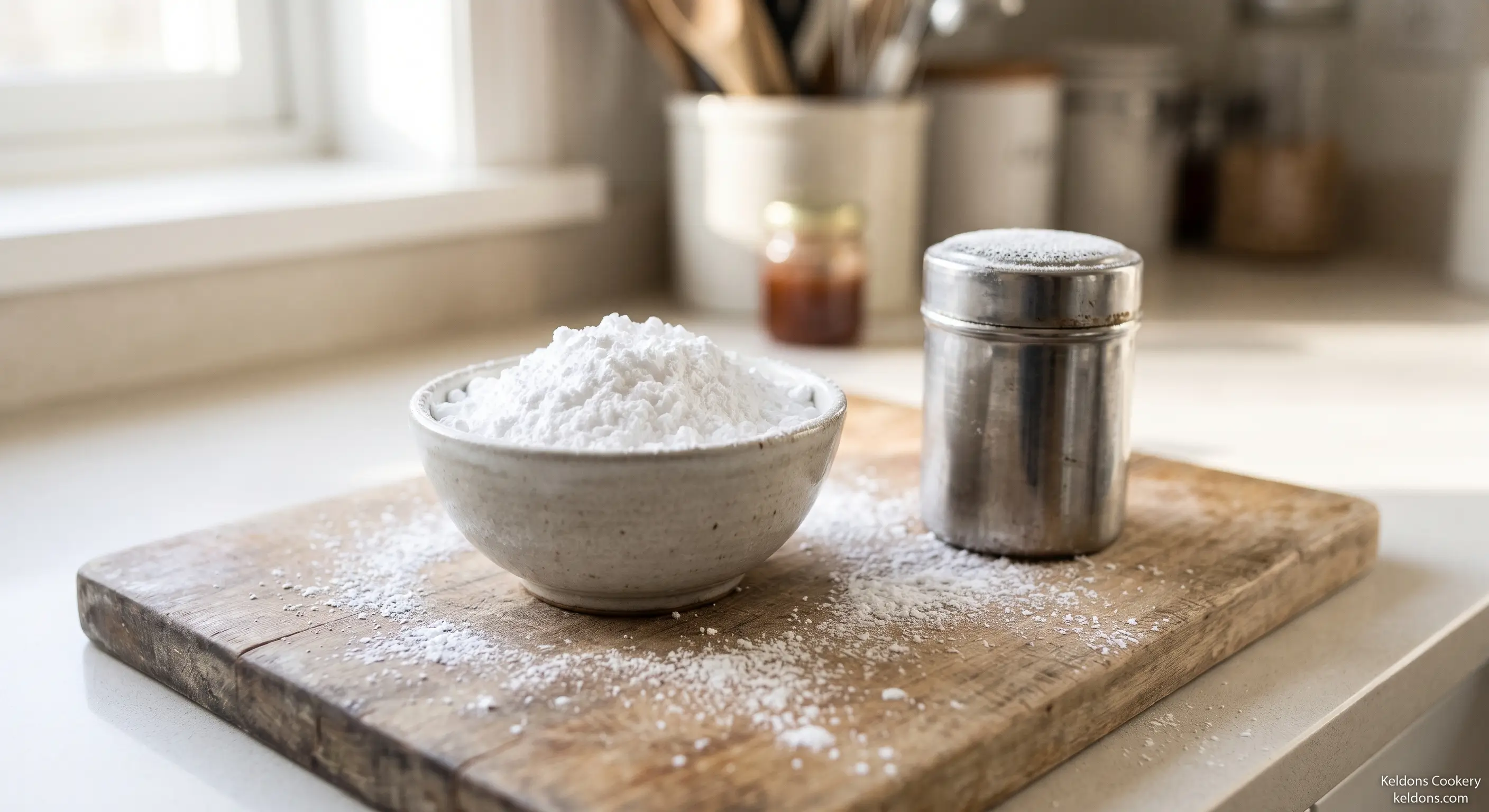
Confectioners' Sugar, (pronounced - kuhn-FEK-shuh-nerz SHOO-ger), is finely pulverized white cane or beet sugar blended with a small amount of cornstarch to keep it soft and free-flowing. Known globally as powdered sugar or icing sugar, this ultra-fine sweetener originated as a specialty pastry ingredient before becoming a household pantry essential. Because its microscopic crystals dissolve almost instantly in cold liquids and fats without leaving a gritty texture, cooks rely on it for smooth buttercreams, glossy glazes, delicate meringues, and a snowy final dusting over baked goods.
Nutritional Values
Corn
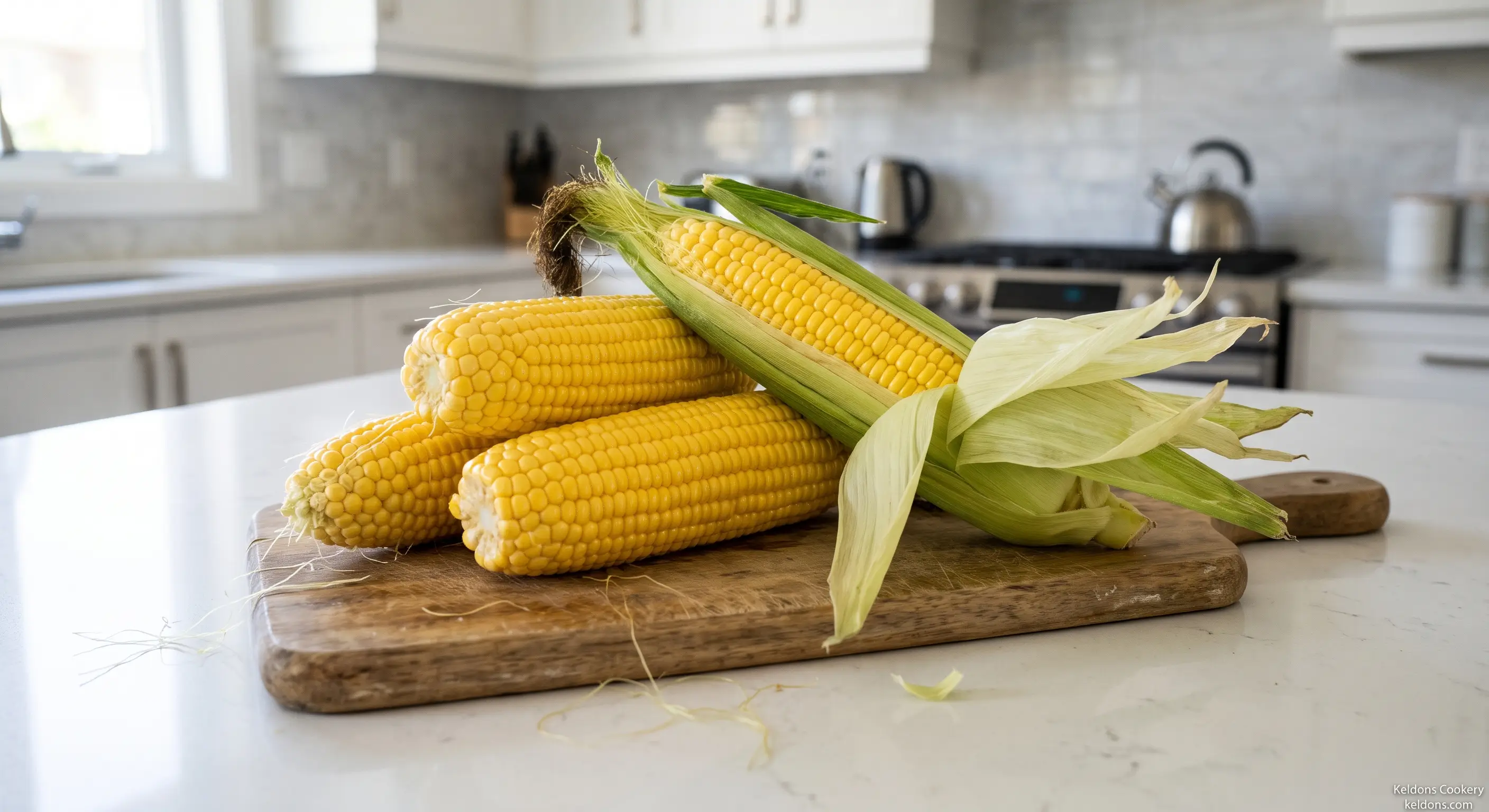
Corn, (pronounced - KORN), is a beloved cereal grain treated as a starchy vegetable when harvested fresh as sweet corn on the cob. Native to the Americas and cultivated for thousands of years, its plump yellow, white, or bi-color kernels burst with milky, tender sweetness when eaten at peak ripeness. Whether boiled on the cob, charred over smoky grill grates, simmered into creamy chowders, or tossed raw into crisp summer salsas, sweet corn brings bright color, juicy snap, and comforting sweetness to everyday family tables.
Nutritional Values
Cornstarch
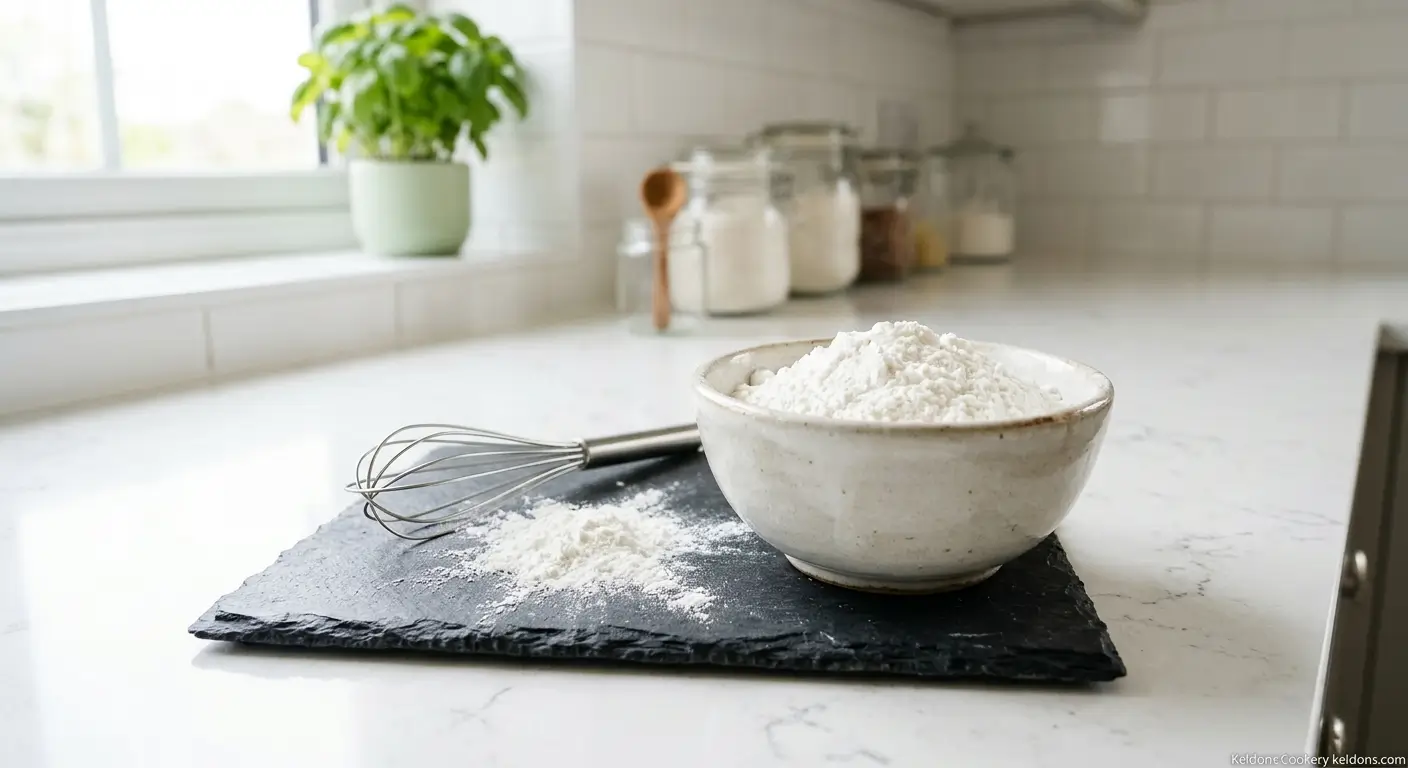
Cornstarch (pronounced KAWRN-stahrch) is the ultimate smooth operator in your kitchen pantry, acting as a magical silken powder that rescues runny sauces and transforms watery gravies into velvety masterpieces. Extracted directly from the chalky center of corn kernels, this pure white starch possesses incredible thickening power that activates with a bit of heat and liquid. Beyond creating luscious stews, it is a brilliant secret weapon for achieving an insanely shatteringly crisp crust on fried chicken or pan-seared meats.
Nutritional Values
Cranberries
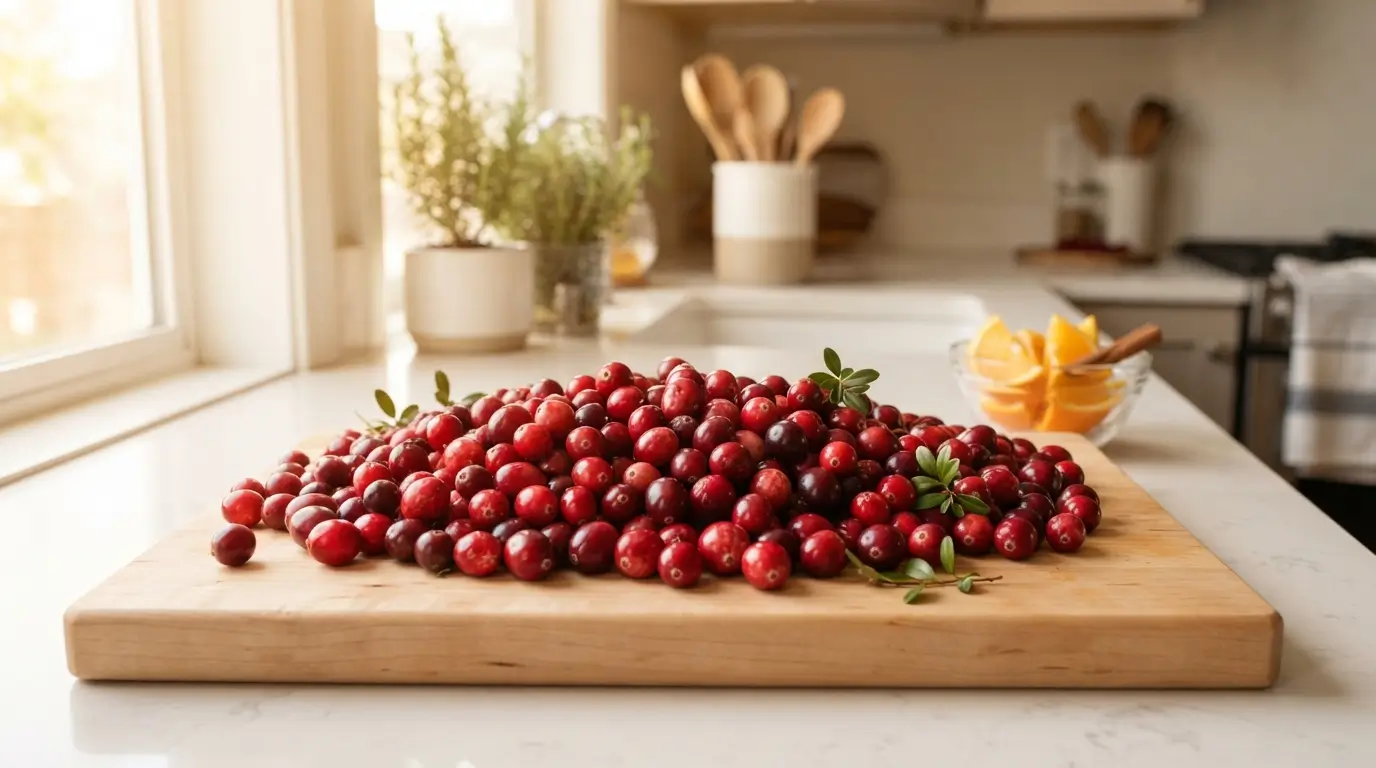
Cranberries, (pronounced - KRAN-ber-eez), are crisp, ruby-red berries native to the acidic bogs and wetlands of North America, famous for their sharp, mouth-puckering tartness and natural pectin content. Harvested primarily in autumn, these hollow-chambered fruits bounce when ripe and burst open with vibrant juice as soon as they hit heat. Because their bright acidity cuts effortlessly through rich, heavy dishes and balances sweet batters, cooks rely on them for classic holiday relishes, tender quick breads, tangy glazes, sparkling beverages, and savory meat reductions.
Nutritional Values
Page 3 of 4
Ingredients At a Glance
Handy Tip
When boiling rice, stir a little olive oil or cooking oil into the water. This simple hack prevents the grains from clumping and sticking together, making sure each grain of rice remains separate and fluffy. It's a small step but it makes a big difference.
Advertisement
Keldons Cookery © 1998 - 2026 All rights Reserved | Secured with SSL
Homemade Goodness. Cook what you eat. Love what you cook!