Corn
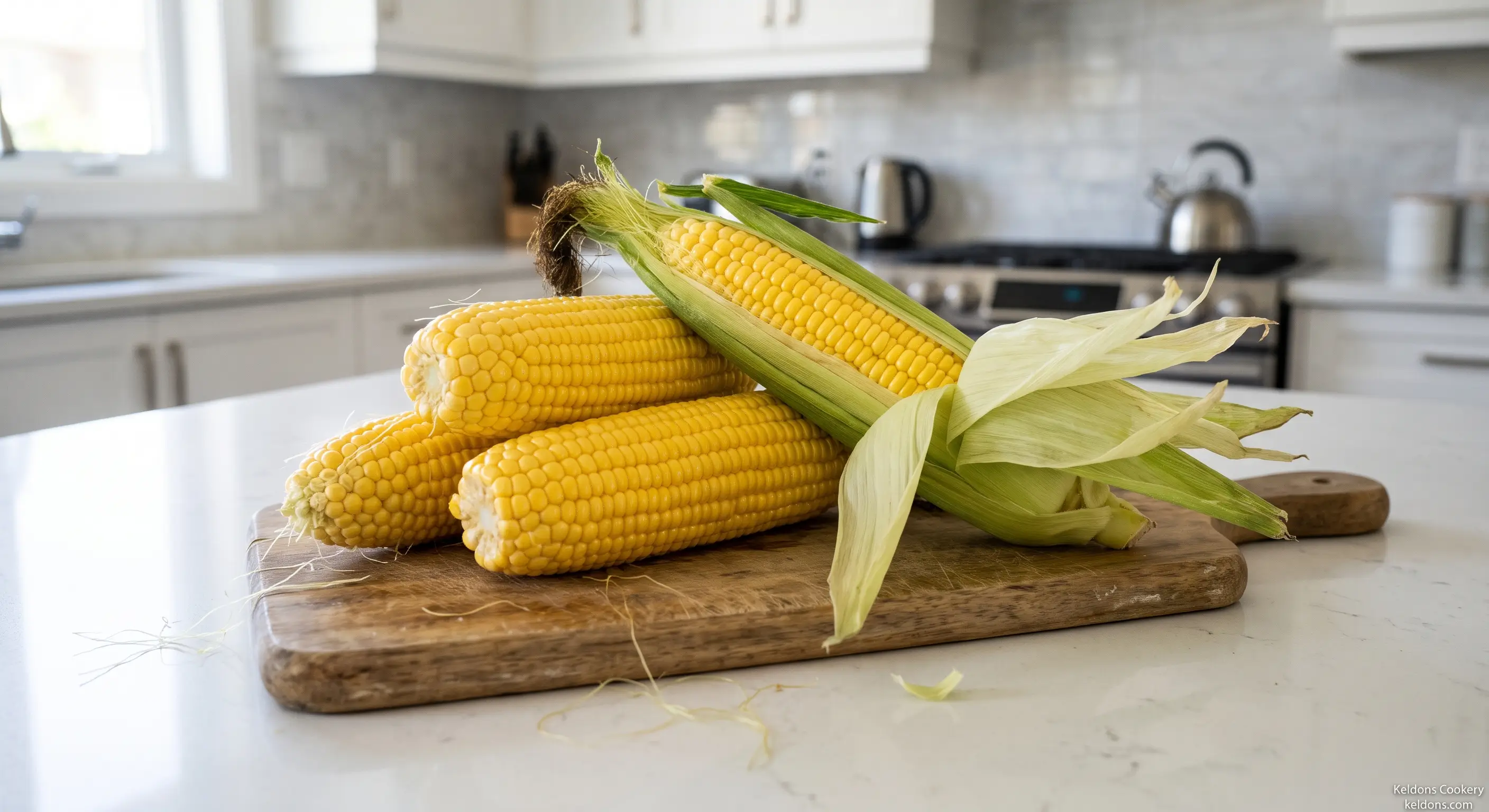
Nutritional Values
Sweet Crunch and Juicy Kernel Texture
- Natural Milky Sweetness: Freshly picked sweet corn carries high natural sugars inside each plump kernel, creating a tender pop that tastes delicious with nothing more than salted butter.
- Color Varieties Explained: Yellow, white, and bi-color ears offer nearly identical sweetness and tender bite, so choose whichever variety looks freshest and plumpest at your local market.
- Starchy Soup Thickener: Scraping the milky pulp left behind on stripped cobs adds natural body and rich corn flavor to creamy chowders, succotash, and velvety summer bisques.
Mess-Free Shucking and Kernel Cutting
- Clean Husk Removal: Pull back the green outer husks and silky threads downward in firm strokes, snapping off the tough stem base cleanly before rinsing away any stray clinging silks.
- The Bundt Pan Trick: Stand a shucked ear upright in the center hole of a Bundt pan and slice downward with a chef's knife so loose kernels fall neatly into the ring instead of scattering.
- Microwave Silk Release: Microwave an unshucked ear on high for three minutes, slice off the stem end, and squeeze from the top so the cob slides out completely free of stubborn silk threads.
Advertisement
Classic Ways to Cook Corn on the Cob
- Quick Pot Boiling: Drop shucked ears into unsalted boiling water for four to five minutes until bright yellow and tender, waiting to salt after cooking so the kernels stay plump and juicy.
- Smoky Open Grilling: Brush husked ears lightly with oil and grill over medium-high heat for ten minutes, turning frequently until lightly blistered and caramelized with rich smoky flavor.
- Skillet Charred Kernels: Sear fresh cut kernels in a hot cast-iron skillet with butter until golden brown spots appear, creating a sweet, nutty topping for tacos, grain bowls, and salads.
Simple Flavor Boosters and Pairings
- Compound Herb Butters: Roll hot corn on the cob in softened butter mashed with minced garlic, fresh chives, smoked paprika, or lime zest for an effortless upgrade over plain table butter.
- Mexican Street Corn Style: Slather grilled cobs with mayonnaise, cotija cheese, chili powder, and fresh lime juice for tangy, creamy, smoky street-food flavor right from your backyard grill.
- Fresh Garden Companions: Sweet corn pairs effortlessly with ripe tomatoes, black beans, jalapeños, fresh basil, bacon, shrimp, and grilled chicken across warm and chilled dishes.
Advertisement
Keeping Sweet Corn Fresh Before Cooking
- Cook the Same Day: Because natural sugars convert rapidly into starch after harvest, sweet corn tastes sweetest when cooked within twenty-four hours of picking or buying at the market.
- Leave Husks Intact: Store unshucked ears loose in the refrigerator crisper drawer wrapped loosely in a damp towel to keep the kernels plump and hydrated for up to three days.
- Freezing Peak Harvest: Blanch whole ears for four minutes, plunge into ice water, slice off the kernels, and freeze flat in zip-top bags to enjoy summer sweetness all winter long.
Advertisement
Aw Shucks, Dinner Just Got Sweeter
Corn might seem simple, but a freshly shucked ear cooked just until tender turns any ordinary weeknight plate into a summertime celebration. Whether you boil it in five minutes flat, blister it over hot grill grates, or slice the kernels into a hearty skillet hash, sweet corn brings unbeatable crunch and sunny sweetness to the table. Grab a few plump ears on your next market run and get ready to ear-resistibly good eating.Advertisement
Advertisement
Advertisement
Handy Tip
Protect your floors with a clever hack: apply furniture wax to the bottom of your chair legs. This simple solution prevents scratches and allows chairs to glide smoothly, keeping your floors looking good without costly repairs or constant upkeep. Minimal effort and scratch free flours.
Featured Offering
Lemon Sauce For Poultry
Recipe of: Canada

Filed Under: Poultry
Prep Method: Stove Top
Made with: 10 Ingredients
Advertisement
Keldons Cookery © 1998 - 2026 All rights Reserved | Secured with SSL
Homemade Goodness. Cook what you eat. Love what you cook!