Cinnamon Sticks
Cinnamon sticks - pronounced 'SIN-uh-muhn sticks' are the dried bark of Cinnamomum trees, primarily found in regions like Sri Lanka, Indonesia, and China.
These sticks are integral in many cuisines, adding a distinct warmth and sweetness to dishes. Each stick is rolled, dried, and cut into lengths, making them perfect for steeping in liquids or simmering in stews.
Nutritional Values
Location : Spice Aisle
Cloves
Cloves are aromatic flower buds used in cooking for their intense flavor but also have medicinal, dental, and aromatic applications.
Rich in antioxidants, they're valued in traditional medicine for their antiseptic properties and are used in homemade remedies and fragrances.
Nutritional Values
Location : Spice Aisle
Cockles
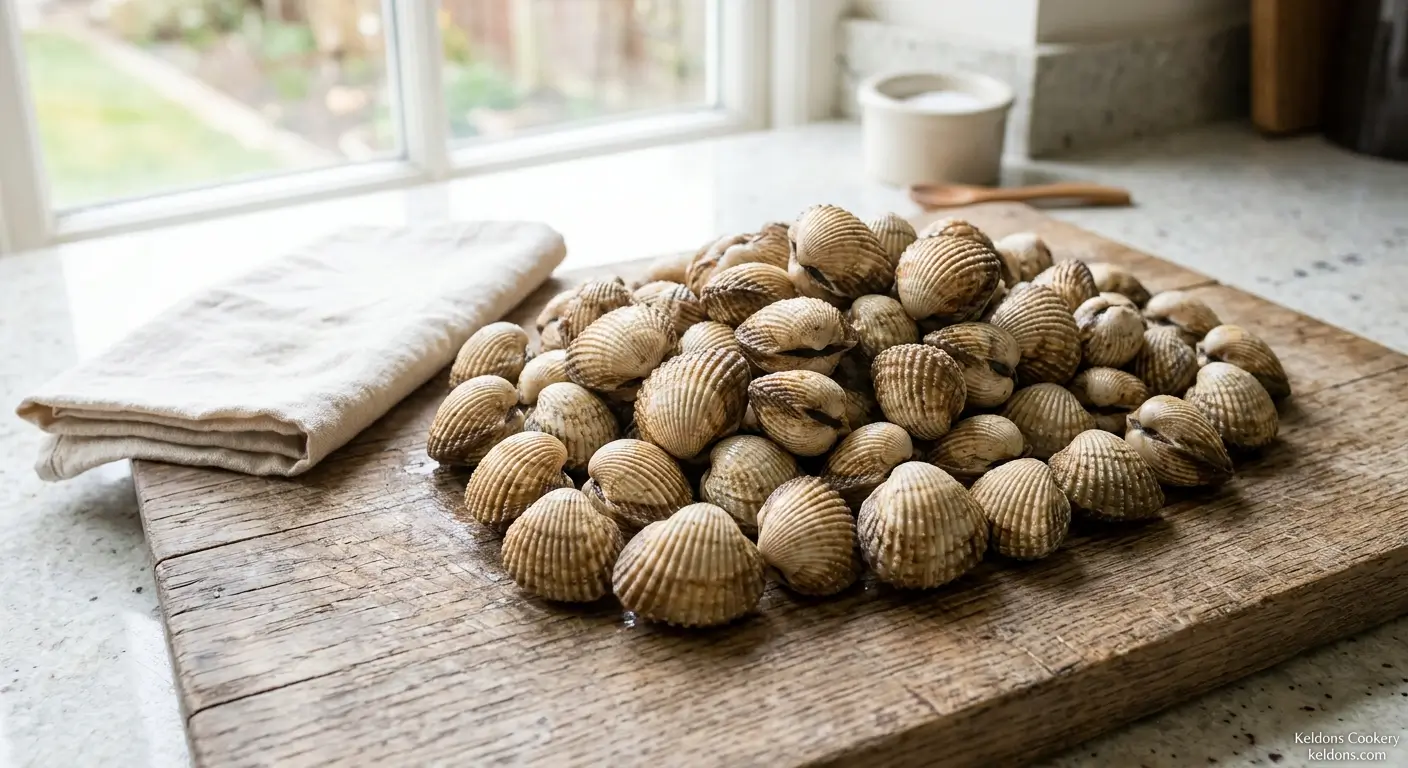
Cockles - pronounced 'KOK-uhls' are small, edible bivalve mollusks closely related to clams and mussels. They are easily recognized by their distinct heart-shaped, ribbed shells and are carefully harvested from sandy, coastal waters around the globe.
Nutritional Values
Location : Seafood Aisle
Cocoa Powder
Cocoa powder - pronounced 'KOH-koh POW-der' is made by crushing cocoa beans and removing the fat or cocoa butter. What's left is dried and ground into a fine powder. It's used to give a rich chocolate flavor to baked goods, desserts, and drinks.
Nutritional Values
Location : Baking Supplies Aisle
Cognac
Cognac - pronounced 'KON-yak' is a type of brandy made by distilling wine. Cognac must be produced in the Cognac region of France and meet strict guide lines, including made from specific grape varieties, double-distilled in copper pots, and aged in oak barrels for at least two years. Cognac has complex flavors, which can include notes of fruit, spice, and oak, depending on its age and blend.
Nutritional Values
Location : Beer, Wine & Spirits
Cooking Oil
Cooking oil - pronounced 'KUHK-ing OY-ul' is a broad term that refers to different types of plant, animal, or synthetic fats used in frying, baking, and other types of cooking.
It's also used in food preparation and flavoring not involving heat, such as salad dressings and bread dips. Cooking oils are made from a variety of sources, including vegetables, nuts, seeds, and fruits.
Nutritional Values
Location : Oils & Vinegar
Corn Syrup
Corn syrup - pronounced 'korn sir-up' is a sweet syrup made from the starch of corn. It's a type of glucose syrup that is primarily used in cooking and baking to add sweetness It also provides volume, softens texture, and enhances flavor.
Corn syrup is also known for its ability to prevent crystallization of sugar in candies and frozen desserts.
Nutritional Values
Location : Baking Supplies Aisle
Cornichons
Cornichons - pronounced 'kohr-nee-SHON' are small, tart pickles made from tiny gherkin cucumbers. Unlike the larger, sweeter pickles many might be used to in sandwiches or burgers, cornichons are distinct for their crunchy texture and tangy, slightly spicy flavor.
They are a staple in French cuisine, often served along with or chopped into cold meats, pâtés, or charcuterie boards, adding a sharp contrast that enhances the flavors of these dishes.
Nutritional Values
Location : Condiment Aisle
Cornstarch
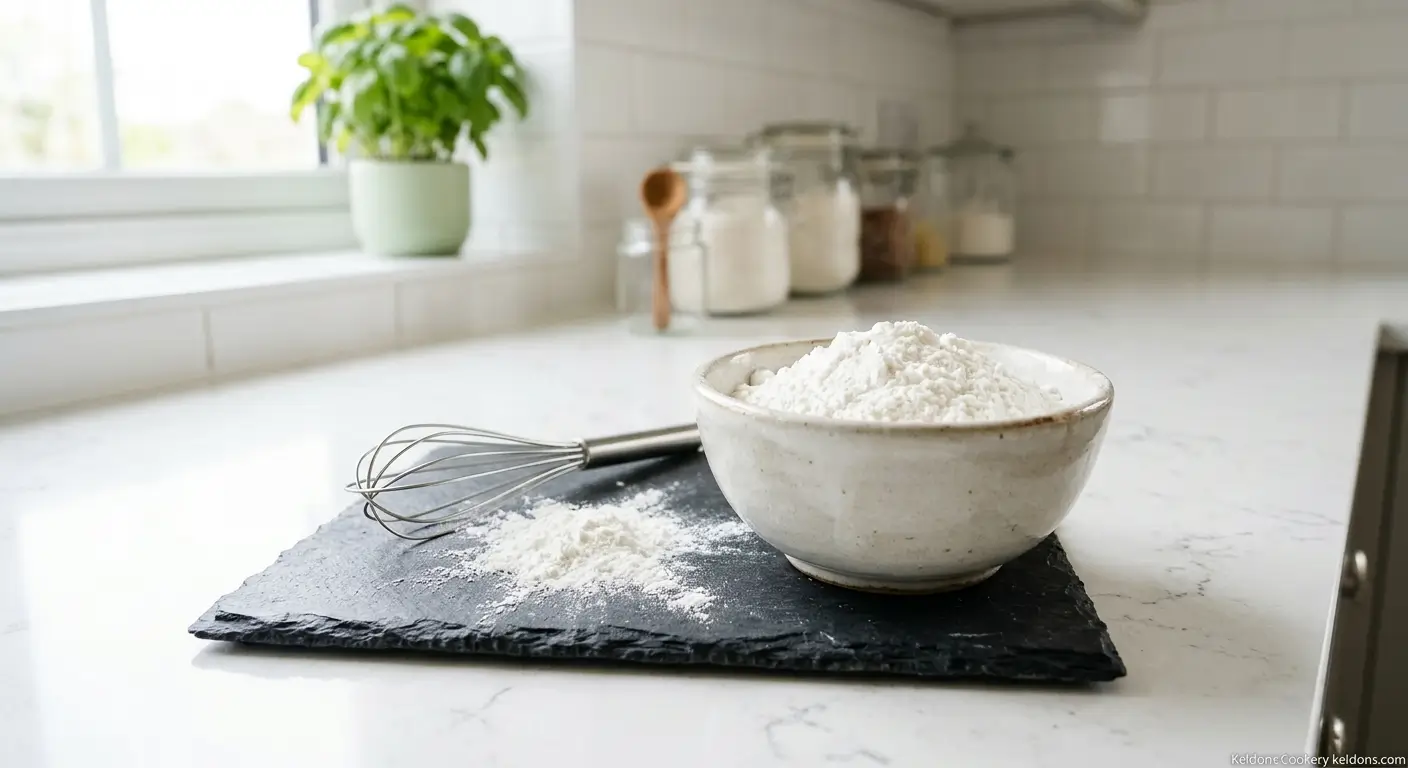
Cornstarch (pronounced KAWRN-stahrch) is the ultimate smooth operator in your kitchen pantry, acting as a magical silken powder that rescues runny sauces and transforms watery gravies into velvety masterpieces. Extracted directly from the chalky center of corn kernels, this pure white starch possesses incredible thickening power that activates with a bit of heat and liquid. Beyond creating luscious stews, it is a brilliant secret weapon for achieving an insanely shatteringly crisp crust on fried chicken or pan-seared meats.
Nutritional Values
Location : Baking Aisle
Cranberries
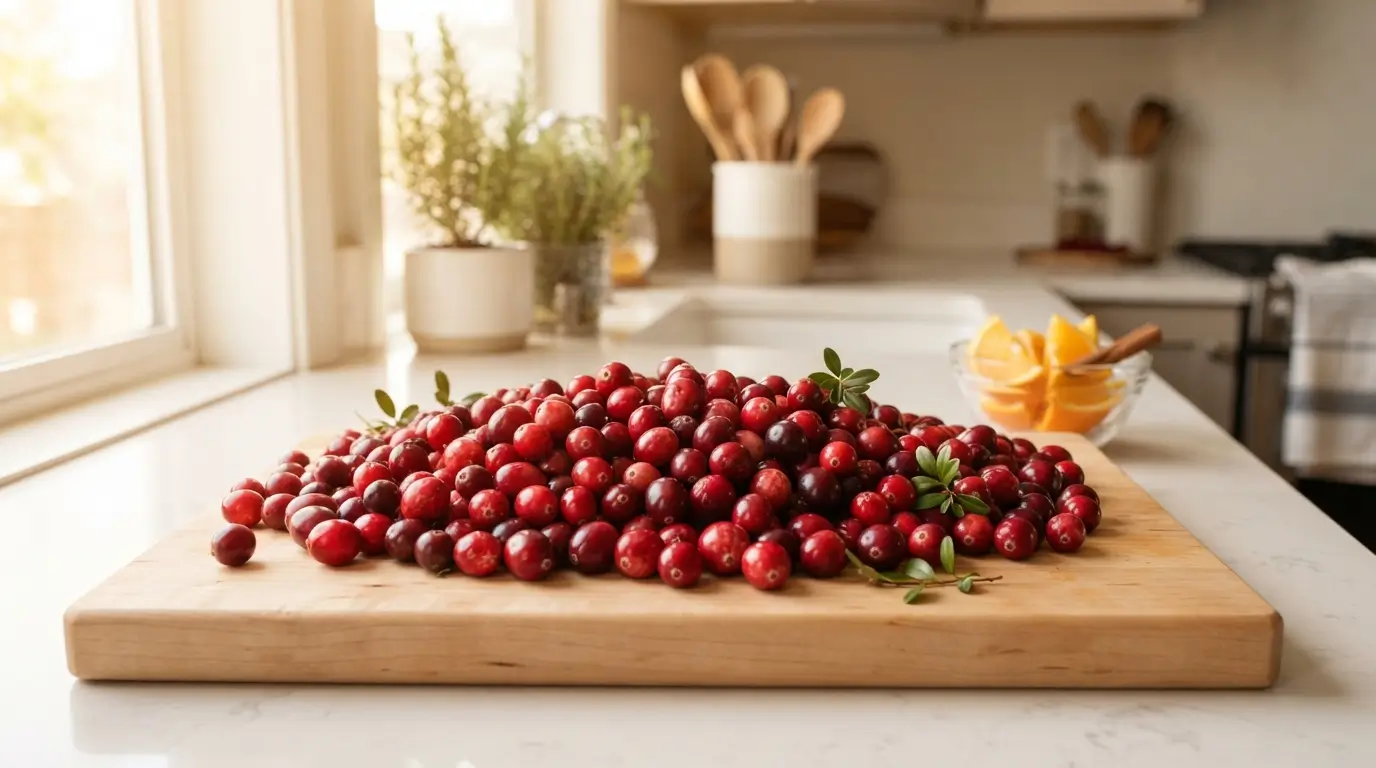
Get ready to add a brilliantly vibrant pop of tart color to your dinner table. Cranberries, pronounced kran-ber-eez, these firm, crimson baubles are one of North America's few native commercial fruits, harvested from low-creeping vines in wetland bogs for centuries. Because they possess an intensely sharp, sour, and astringent bite, they are rarely eaten completely raw, instead requiring sugar to unleash their glossy holiday charm. They are an absolute powerhouse in the kitchen, loaded with natural thickening power that effortlessly transforms them into thick holiday relishes, tangy pan sauces, and chewy baked goods.
Nutritional Values
Location : Produce Aisle
Handy Tip
Make your own ginger juice easily by using a garlic press. Just take a 1 x 2 inch piece of ginger root, squeeze it with the press, and quickly get about 1 tablespoon of fresh ginger juice. This hack is a quick way to add a burst of flavor to your drinks and dishes with minimal effort.
Advertisement
Quick Picks
 / 2937
 / 2303 / 2724
Keldons Cookery © 1998 - 2026 All rights Reserved | Secured with SSL
Homemade Goodness. Cook what you eat. Love what you cook!