Lebanese Flat Bread
 Lebanese
Nutritional Values (per serving)
Ingredients:
| Qty | Unit | Ingredient | ||
|---|---|---|---|---|
| 6 | cups | Flour |
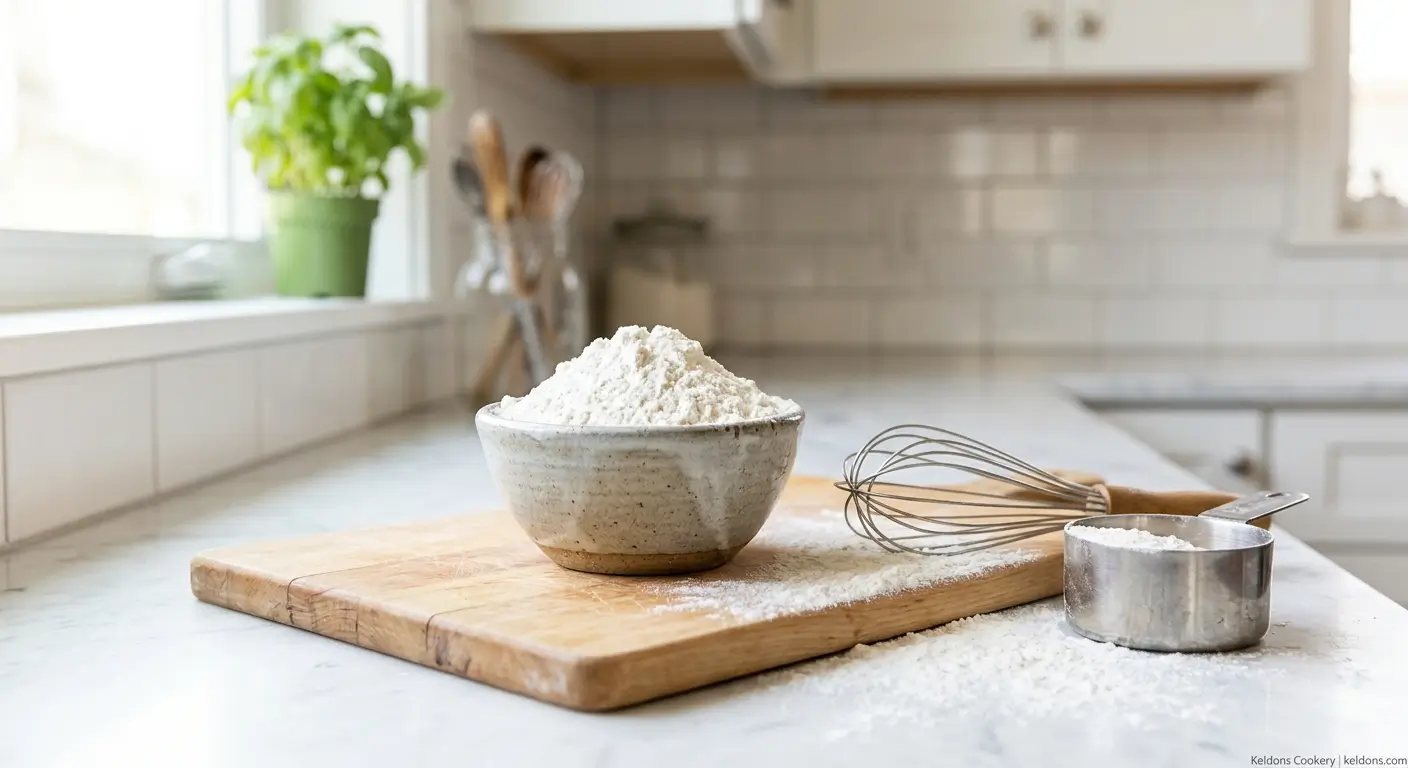
Flour
Flour (pronounced FLOU-er) is the undisputed foundation stone of the entire baking universe, acting as the magical white powder that binds your kitchen dreams together into fluffy realities. Milled from...
|
|
| 1 | envelope | Active Dry Yeast |
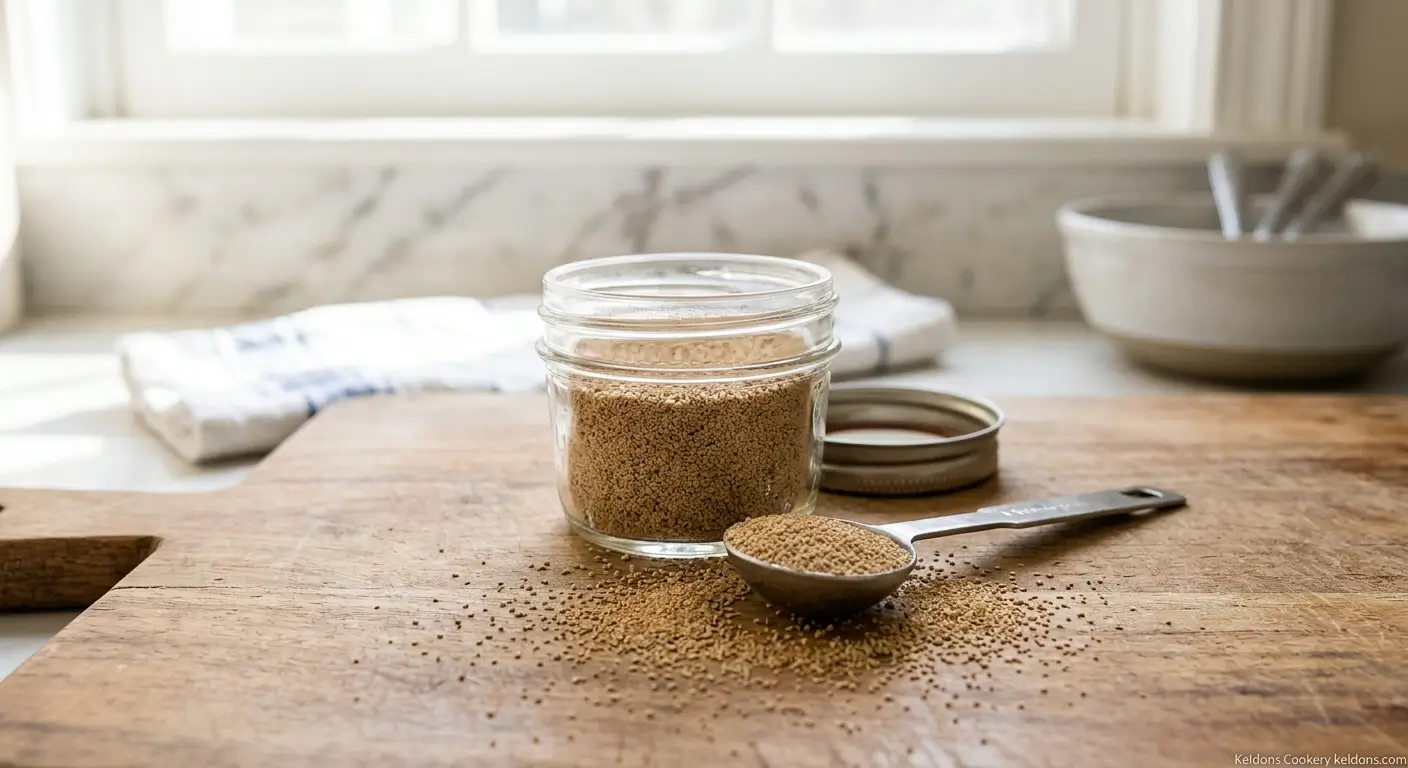
Active Dry Yeast
Active dry yeast (pronounced AK-tiv drai yeest) is the ultimate secret weapon for home bakers looking to turn simple flour into pillowy loaves of homemade bread. These tiny, dehydrated granules...
|
|
| 2 | cups | Water » warm |
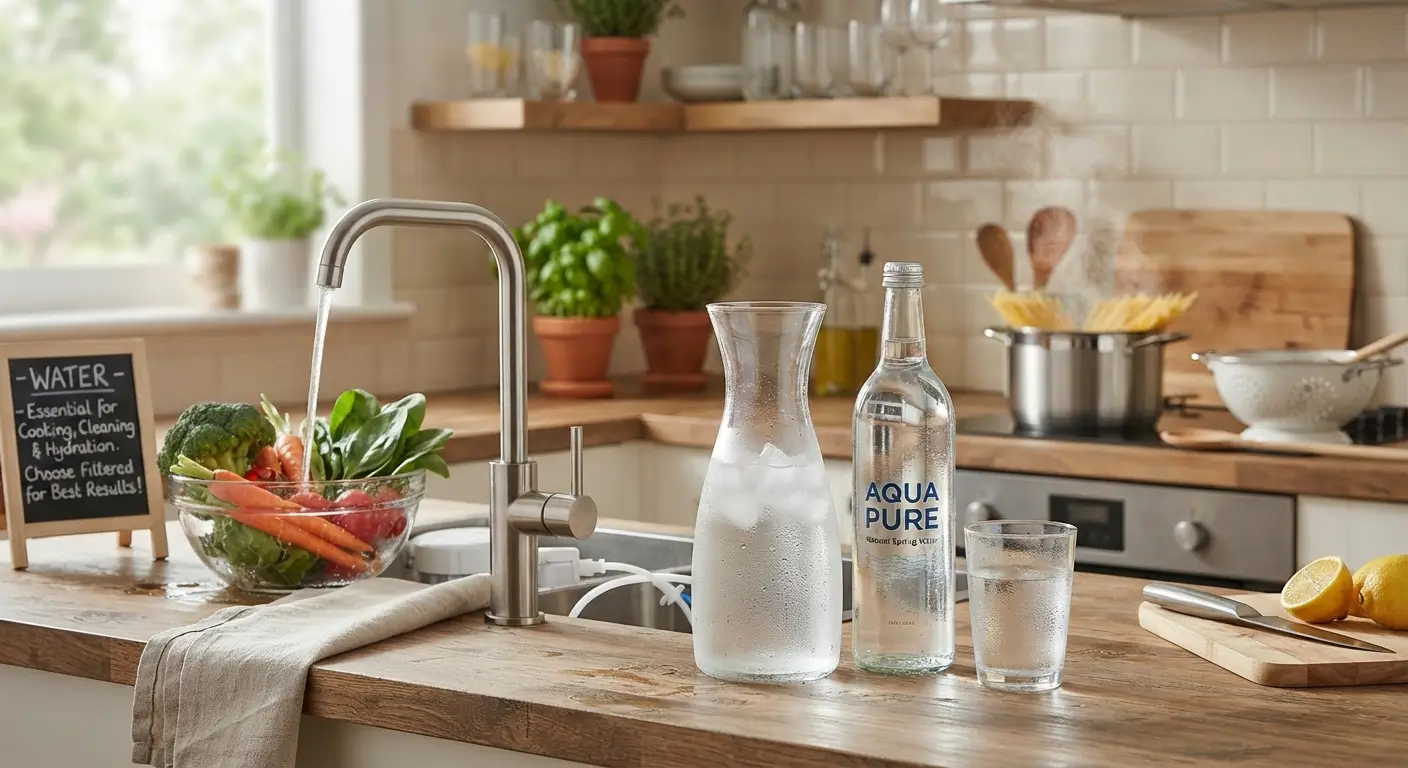
Water
Water, (pronounced WAH-ter), is the unsung hero of every single kitchen across the globe. You boil it, simmer it, steam veggies over it, and use it to deglaze those sticky,...
|
|
| 1 1/2 | teaspoons | Salt |
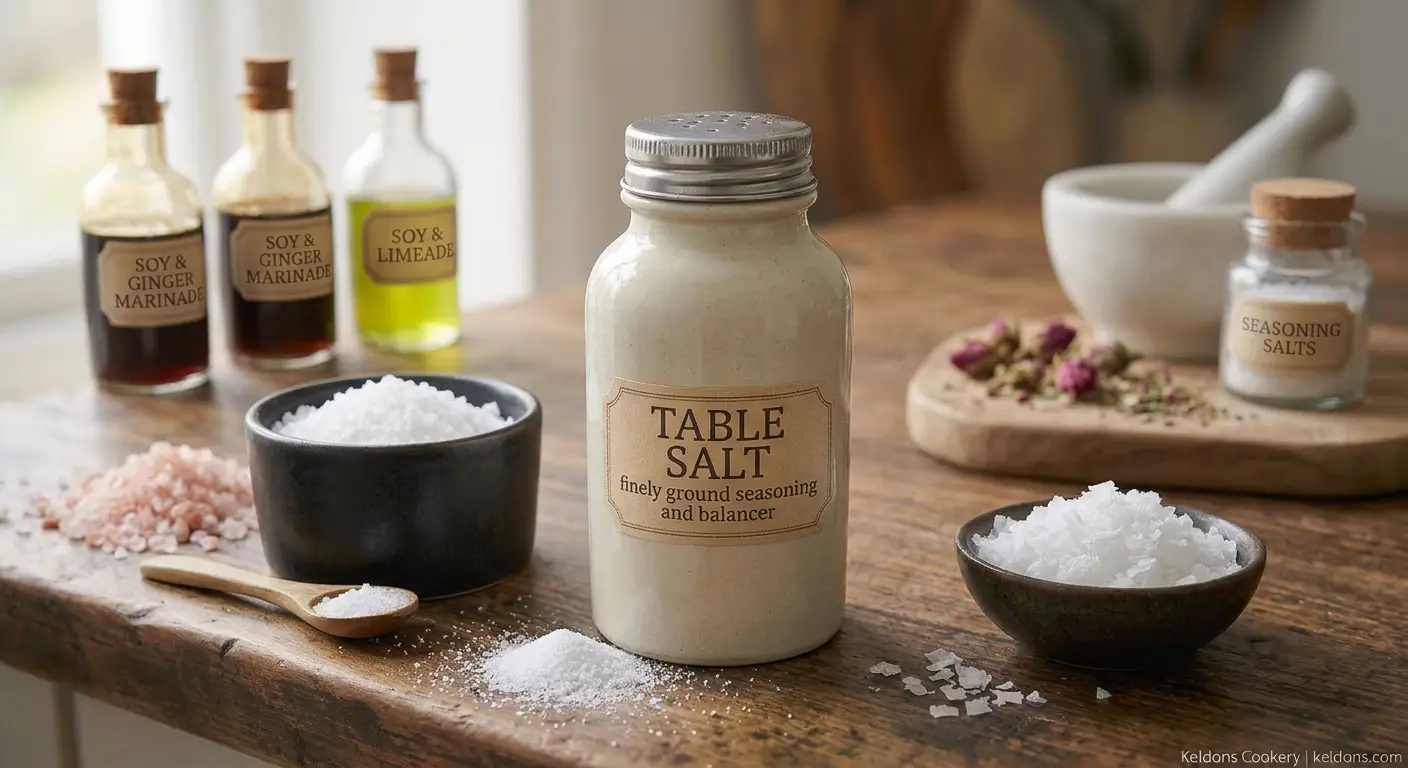
Salt
Salt (pronounced sawlt) is the absolute heartbeat of everyday home cooking, found on every single kitchen table across the globe. This fine, pre-ground table version is a pure mineral crystal...
|
|
| 1 | teaspoon | Sugar |
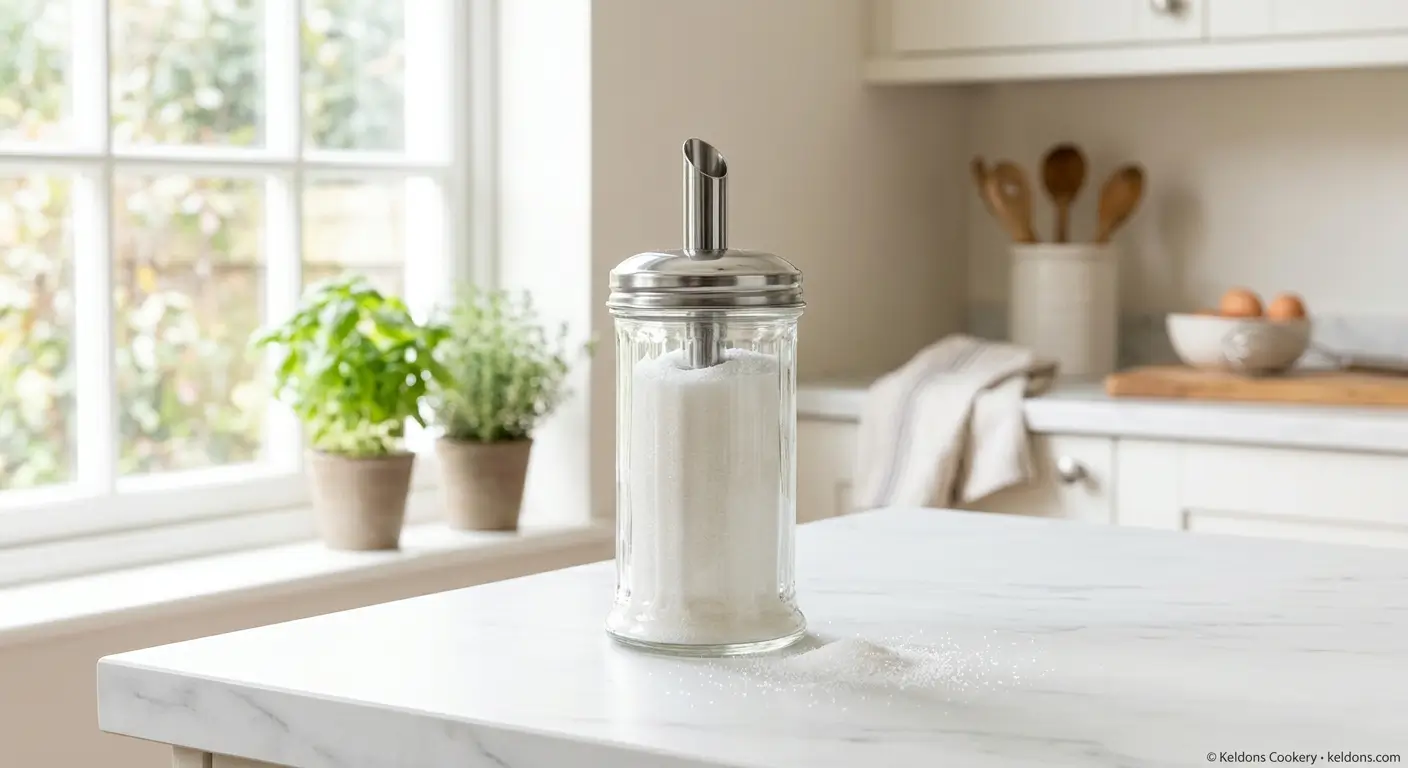
Sugar
Sugar (pronounced shoog-er) is the ultimate everyday companion for both sweet baking and savory balance, found in every single pantry across the globe. This classic granulated version consists of fine...
|
|
| 2 | tablespoons | Vegetable Oil |
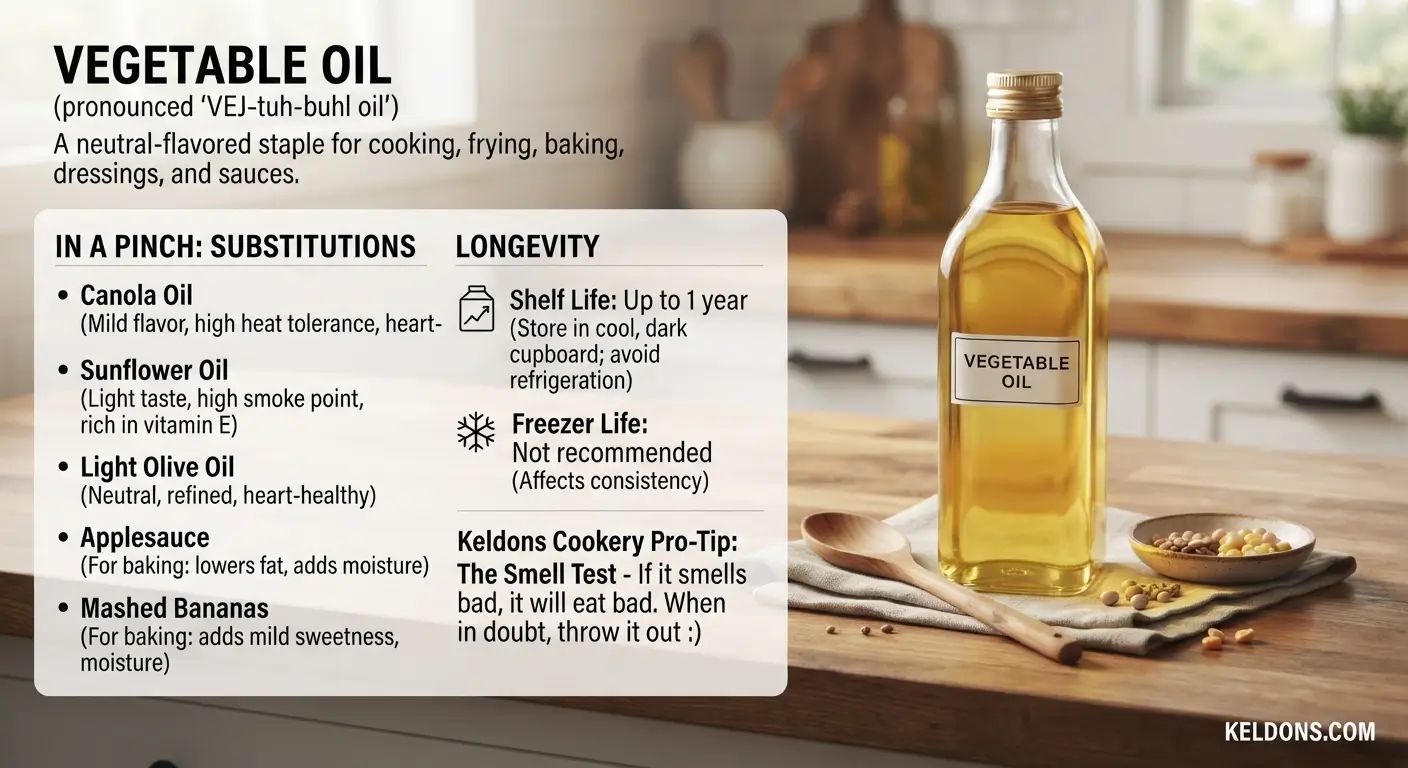
Vegetable Oil
Vegetable Oil, (pronounced VEJ-tuh-buhl OYL), is the ultra-versatile, neutral workhorse found in nearly every home and professional kitchen. Typically pressed and refined from soybeans, corn, or canola seeds, this pale...
|
| Prep Time | Process Time | Overall Time |
|---|---|---|
| 3 Hours | 45 Minutes | 3 hours 45 minutes |
Directions:
Preheat oven to 475°F
- The water should be warm, 105°F to 115°F to activate the yeast.
1. Sift flour into a large mixing bowl and warm in a low oven.
2. Dissolve the yeast in 1/4 cup warm water.
3. Add remaining water and stir in salt and sugar.
4. Set aside about 2 cups flour from the bowl as reserve.
5. Pour yeast liquid into centre of the flour to make a thick liquid.
6. Add more flour if it is too thin.
7. Cover with cloth and leave in a warm place until frothy.
8. Stir in rest of flour. Not the 2 cups of reserved flour.
9. Add oil gradually, then beat until smooth, either by hand for 10 minutes, or with an electric mixer using dough hook for 5 minutes.
10. Sprinkle some of the reserved flour onto a board, turn out dough.
11. Knead for 10 minutes, using more flour as required.
12. The dough has been kneaded long enough when it's smooth and satiny with a slight wrinkled texture.
13. Shape dough into a ball.
14. Oil a bowl, put in dough smooth side down then turn over so that top is coated with oil.
15. Stretch plastic wrap over bowl and leave in a warm place to rise until almost doubled in size, about 1 to 1-1/2 hours.
16. Punch down dough and turn out onto lightly floured board.
17. Knead for a minute or so then divide into 8 equal pieces, rolling each into a ball.
18. Roll each ball into a 10 inch round and place on a lightly floured cloth.
19. Cover with another cloth and leave for 20 minutes.
20. Heat a large baking sheet or flat griddle on the lowest shelf of the oven.
21. Place a round of dough on a lightly floured baking sheet. Shake to ensure that it will slide off easily.
22. Rub heated baking sheet or griddle with wad of paper towel dipped in oil then slide dough onto it.
23. Bake in the very hot preheated 475°F oven for 4 to 5 minutes until it puffs.
24. Remove bread and wrap in a cloth to keep it warm and soft.
25. Bake the remaining loaves.
26. Enjoy.
 / 1492
Recipes that Compliment:
-
/ 308
Advertisement
Tested & True
Forget the old wives' tale of throwing pasta against the wall to see if it's cooked. Not only does this make your kitchen walls difficult to clean, but it's also not the most reliable method to test pasta's doneness. There's a better way to make sure your pasta is perfectly cooked.
Advertisement
Quick Picks
 / 4895 / 2980 / 3409 / 2571 / 3396
Keldons Cookery © 1998 - 2026 All rights Reserved | Secured with SSL
Homemade Goodness. Cook what you eat. Love what you cook!