Icing Sugar
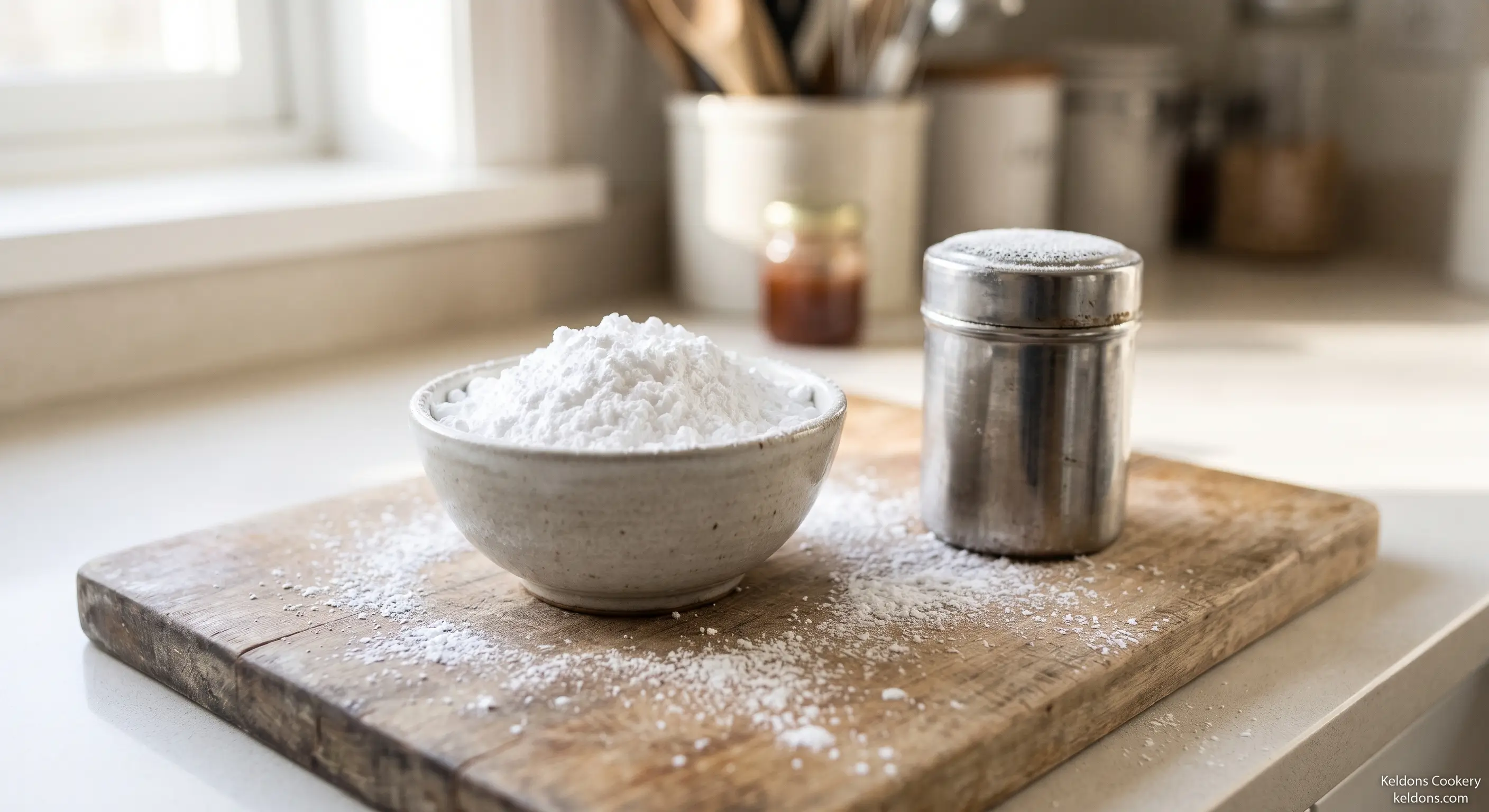
Nutritional Values
Types and Grades
- 10X Standard Grade: The most common grocery store variety milled ten times into a silky powder with roughly three percent cornstarch added so your buttercreams and glazes stay completely smooth and lump free.
- 6X Medium Fineness: Slightly coarser than standard ten-times powder, this bakery grade works wonderfully for dusting warm doughnuts and pastries because it resists melting quickly into moist or greasy surfaces.
- Organic Tapioca Blend: Made from unrefined cane sugar and organic tapioca starch instead of cornstarch, this clean alternative delivers identical dissolving power for bakers avoiding corn or seeking subtle caramel notes.
- Non-Melting Snow Sugar: Specially coated with food-grade vegetable fats and starch, this specialty dusting powder stays bright white on warm cakes, chilled fruit tarts, and humid desserts without ever weeping away.
Top Culinary Uses
- Fluffy American Buttercream: Beating this ultra-fine powder into softened butter creates a rich, airy frosting that pipes crisp decorative borders and crusts gently at room temperature without any grainy sugar crunch.
- Pourable Pastry Glazes: Whisking a few spoonfuls of milk, citrus juice, or vanilla extract directly into sifted powder yields a glossy, fast-setting drizzle ideal for cinnamon rolls, bundt cakes, and sugar cookies.
- Stabilized Whipped Cream: Folding a tablespoon or two into heavy whipping cream sweetens the batch while its built-in cornstarch absorbs excess moisture, keeping peaks tall and firm for hours inside the refrigerator.
- Delicate Dessert Dusting: Shaking a light snowfall through a fine-mesh sieve adds instant visual charm and gentle sweetness to French toast, brownies, waffles, lemon bars, and freshly baked fruit galettes right before serving.
Advertisement
Measuring and Sifting Tips
- Spoon and Level Method: Always fluff the bag with a spoon before gently scooping powder into your measuring cup and leveling the top with a knife, since packed scoops add extra sugar and make frostings overly stiff.
- Sift Before Mixing: Passing the powder through a fine wire mesh strainer breaks up hidden pantry pebbles and aerates the crystals, guaranteeing lump-free glazes and smooth frosting that will not clog piping tips.
- Check Recipe Order: Pay close attention to whether your recipe calls for sifting before or after measuring, because sifted powder takes up noticeably more volume per cup than settled sugar straight from the bag.
- Tame the Dust Cloud: Start your stand or hand mixer on its absolute lowest speed setting and drape a clean kitchen towel over the bowl rim so fine sugar clouds stay in your batter rather than coating your countertops.
Smart Kitchen Substitutes
- DIY Blender Method: Pulse one cup of regular white granulated sugar with one tablespoon of cornstarch in a high-speed blender or clean spice grinder for sixty seconds until a soft, powdery cloud forms inside the jar.
- Arrowroot Starch Swap: When making homemade powdered sugar for grain-free or corn-sensitive guests, blend granulated sugar with arrowroot powder at the exact same ratio for smooth, reliable thickening in cold glazes.
- Coconut Sugar Powder: Blitzing dry coconut palm sugar in a coffee grinder produces a warm, caramel-tinted dusting powder that brings rich butterscotch flavor to spiced autumn cakes, oatmeal cookies, and morning pancakes.
- Skip Direct Granulated Swaps: Never substitute unblended granulated sugar directly into no-cook icings or whipped cream, because coarse crystals will not dissolve in cold fat or milk and will leave an unpleasant gritty crunch.
Advertisement
Storage and Shelf Life
- Airtight Container Rule: Transfer opened bags immediately into a tightly sealed canister or heavy zip-top freezer bag, since exposed sugar acts like a sponge and pulls ambient kitchen humidity straight into hard clumps.
- Cool Dry Pantry Spot: Store your sealed container in a dark cupboard away from dishwashers, kettles, and steaming stovetops where fluctuating heat and moisture rapidly turn silky powder into solid rock-hard bricks.
- Avoid Fridge Storage: Keep this baking staple out of the refrigerator, as cold damp air and frequent temperature swings trigger condensation inside the package and ruin its light, free-flowing powdery consistency.
- Rescuing Hard Lumps: If moisture turns your stash into solid chunks, break the pieces apart and whiz them briefly in a dry food processor to restore their soft, fluffy texture before sifting into your next recipe.
Advertisement
Sweet Victory Over Lumpy Frosting
Icing sugar proves that size really does matter in the baking aisle. By grinding ordinary crystals into a velvet cloud, it turns butter and milk into bakery-worthy magic in seconds flat. Keep a sealed tub tucked in a dry cupboard, give it a quick trip through a fine strainer, and never settle for gritty frosting again. Whether you are glazing warm cinnamon rolls or dusting Sunday pancakes, this snow-white staple always delivers a sweet finish without breaking a sweat.Advertisement
Quick Picks
Advertisement
Advertisement
Handy Tip
Elevate your grilling game by adding a smoky hickory flavor to your barbecue. Before you start grilling, soak a handful of hickory chips in water for about an hour. Then, sprinkle them onto your barbecue coals. Infuse your meats and veggies with a rich, smoky flavor.
Featured Offering
Chilled Tomato Basil Soup
Recipe of: Canada

Filed Under: Fruit
Prep Method: Stove Top
Made with: 15 Ingredients
Advertisement
Keldons Cookery © 1998 - 2026 All rights Reserved | Secured with SSL
Homemade Goodness. Cook what you eat. Love what you cook!