Porcupine
Nutritional Values
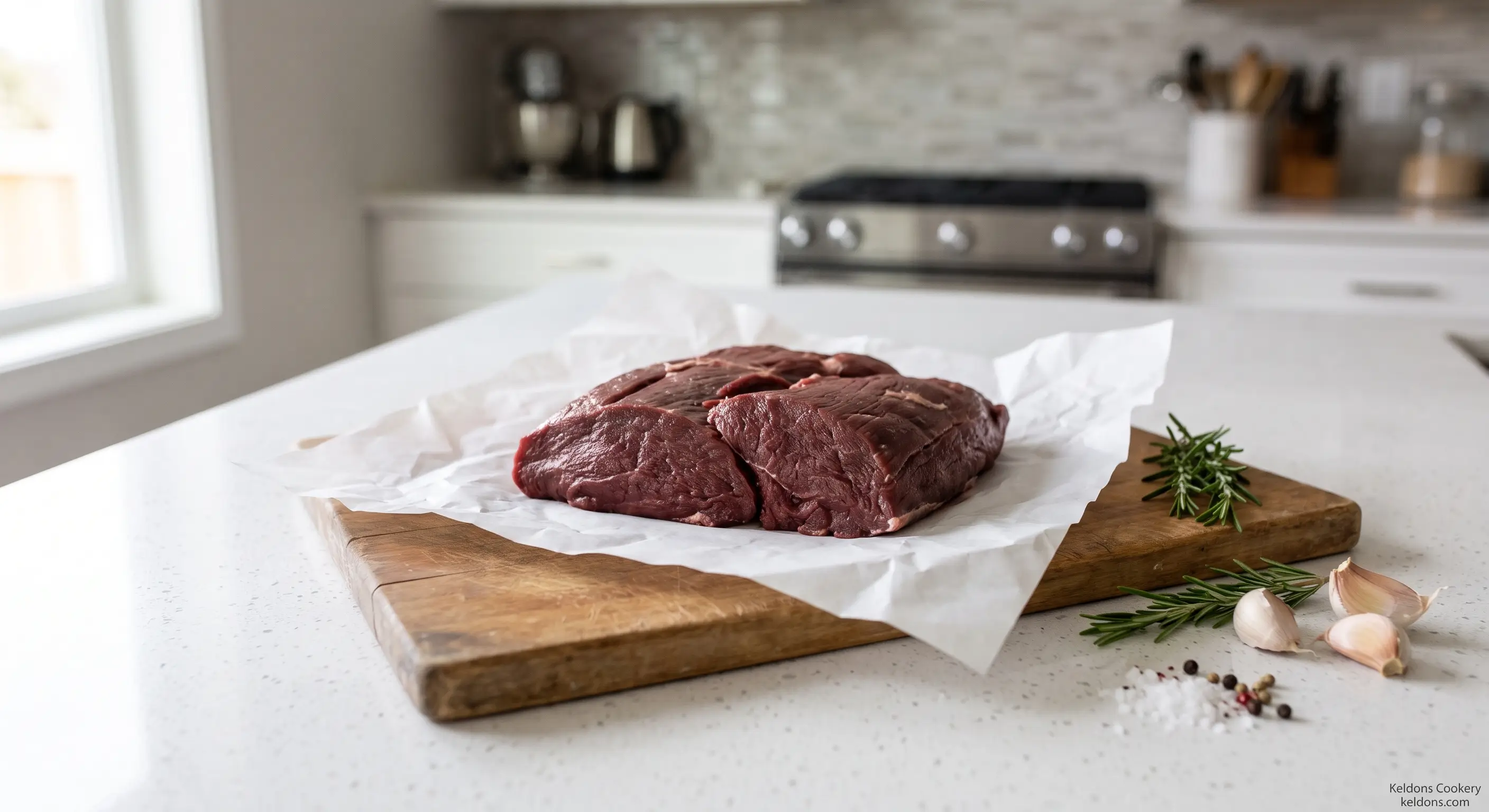
Flavor Profile and Meat Texture
- Earthy Forest Notes: Unlike corn-fed livestock, porcupine meat develops a clean, mildly herbaceous taste shaped directly by a natural woodland diet of inner tree bark, green shoots, and wild forest foliage.
- Dense Muscle Grain: Because these slow-moving animals rely on heavy climbing muscles, their dark red cuts contain firm connective tissue that rewards patient, low-temperature cooking with fork-tender results.
- Rich Game Character: Older porcupines carry a noticeably deeper, more robust game flavor, whereas younger animals yield noticeably milder, sweeter meat that closely resembles slow-cooked domestic pork shoulder.
Essential Field Dressing and Quill Safety
- Careful Quill Removal: Always wear heavy leather gloves and skin the animal cleanly from the belly outward so barbed quills never transfer onto the underlying carcass or contaminate your clean cutting board.
- Gland and Fat Trimming: Remove any visible scent glands and excess yellow exterior fat right away, as trimming these areas thoroughly prevents strong resinous pine flavors from overpowering your finished dish.
- Chilling the Carcass: Cool the dressed meat promptly in clean ice water or refrigeration before butchering, which firms up the muscle fibers for neater cuts and keeps the wild game fresh and safe to cook.
Advertisement
Best Low-and-Slow Cooking Methods
- Dutch Oven Braising: Brown seasoned quarters in a heavy pot, then simmer covered with broth, onions, and root vegetables for three hours until the meat pulls effortlessly away from the bone in juicy shreds.
- Slow Cooker Stews: Cube boneless shoulder and leg meat into bite-sized chunks and cook on low with potatoes, carrots, and herbs for a comforting, hands-off meal that tenderizes tough fibers completely.
- Covered Pan Roasting: Rub a whole dressed saddle with garlic, black pepper, and bacon strips, then roast tightly covered at a low oven temperature to lock in moisture and prevent the lean meat from drying out.
Flavor Pairings and Marinade Ideas
- Acidic Brines and Soaks: Soaking cuts overnight in salted buttermilk or a mild apple cider vinegar solution helps relax tough muscle proteins while mellowing out any strong evergreen notes from the animal's diet.
- Savory Aromatics: Classic pantry staples like crushed juniper berries, fresh rosemary, thyme, bay leaves, and minced garlic complement the natural woodland character of porcupine without masking its richness.
- Added Cooking Fats: Because wild porcupine is naturally lean, barding the roast with smoky bacon slices or searing in butter and olive oil adds essential richness and keeps every bite succulent and flavorful.
Advertisement
Safe Internal Temperatures and Storage
- Proper Doneness: Always cook wild porcupine thoroughly to a safe minimum internal temperature of 165°F (74°C) on a digital meat thermometer to eliminate any wild parasites or foodborne bacteria completely.
- Short-Term Refrigeration: Wrap raw, cleaned cuts tightly in butcher paper or airtight containers and store on the bottom shelf of your refrigerator for up to three days before roasting, braising, or freezing.
- Long-Term Freezing: Vacuum-seal or double-wrap portioned cuts in freezer-safe wrap, labeling clearly with the harvest date so the meat stays peak-quality in the freezer for up to six months without freezer burn.
Advertisement
Don't Let Those Quills Quill Your Appetite
Porcupine might wear the fiercest armor in the forest, but once you get past the pointy exterior, it rewards patient home cooks with deeply comforting, fall-off-the-bone wild game dinners. Treat those lean woodland cuts to a good soak, plenty of savory herbs, and a slow simmer in your favorite Dutch oven. You will walk away with a hearty, rustic meal that proves good things really do come to cooks who handle things carefully.Advertisement
Advertisement
Advertisement
Handy Tip
When measuring sticky oils like sesame oil, coat the measuring spoon with a neutral oil first to help the sticky oil slide off easily. This simple trick prevents waste and mess by making sure of a more accurate measure and clean release from the spoon.
Featured Offering
Spicy Rabbit Soup
Recipe of: Mexico

Filed Under: Wild Game
Prep Method: Stove Top
Made with: 21 Ingredients
Advertisement
Keldons Cookery © 1998 - 2026 All rights Reserved | Secured with SSL
Homemade Goodness. Cook what you eat. Love what you cook!