Celery Seed
Nutritional Values
Botanical Roots & Distinct Taste Profile
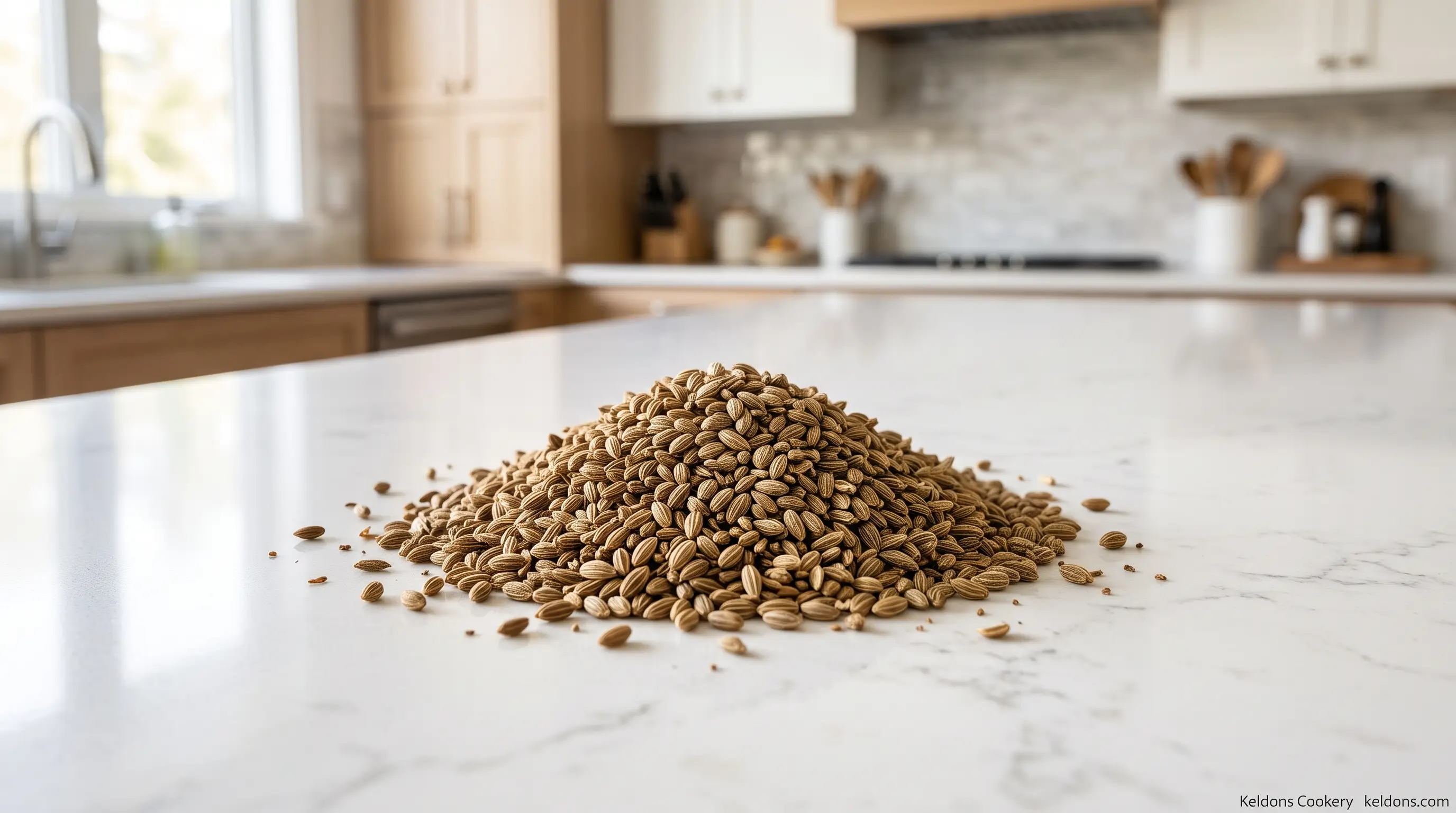
- Wild Smallage Origins: Unlike crisp grocery store stalks bred for crunch, culinary celery seed comes from wild smallage plants grown specifically for their potent, oil-rich seeds rather than tender stems.
- Concentrated Earthy Aroma: Packed with natural phthalide compounds, a tiny pinch delivers intense savory celery flavor accented by warm notes of nutmeg, parsley, and a pleasantly sharp, slightly bitter finish.
- Whole vs. Ground Forms: Whole seeds offer tiny bursts of aromatic crunch in dressings and brines, while finely ground powder disperses evenly into dry meat rubs, creamy dips, and smooth savory sauces.
Classic Kitchen & Pantry Applications
- Picnic Salad Essential: Stirring a teaspoon of whole seeds into creamy coleslaw, potato salad, or macaroni salad cuts right through rich mayonnaise with bright, refreshing herbal complexity.
- Pickling & Brining Powerhouse: Tossing whole seeds into vinegar pickling liquids infuses bread-and-butter pickles, dilly beans, and tangy relishes with classic deli-style aroma and subtle crunch.
- Savory Rubs & Broth Booster: Grinding seeds into barbecue rubs, chowders, or tomato juice adds deep savory backbone without adding extra water or masking delicate poultry and seafood flavors.
Advertisement
Celery Seed vs. Celery Salt Explained
- Pure Spice vs. Seasoned Blend: Celery seed is the pure, sodium-free dried spice on its own, whereas commercial celery salt blends ground celery seed with regular table salt at roughly a one-to-two ratio.
- Controlling Your Sodium: Keeping pure celery seed in your spice rack lets you dial up bold herbal flavor in soups and dressings without accidentally over-salting dishes that already contain salty ingredients.
- Easy Homemade Swap: If a recipe calls for celery salt and you only have whole seeds, simply crush one part celery seed with two parts fine sea salt using a mortar and pestle for an instant match.
Smart Toasting & Grinding Techniques
- Dry Skillet Blooming: Toasting whole seeds in a dry skillet over medium-low heat for sixty seconds wakes up dormant essential oils and softens their raw bitterness into warm, nutty richness.
- Grinding Fresh on Demand: Because pre-ground spice loses volatile aromatics quickly, crushing whole seeds in a spice grinder or mortar right before cooking guarantees maximum punch in every spoonful.
- Use a Light Hand: A little goes a remarkably long way; start with a quarter to half teaspoon per dish, as adding too much at once can quickly turn a balanced sauce noticeably bitter.
Advertisement
Pantry Storage & Shelf-Life Habits
- Airtight Glass Jars: Transfer bulk seeds into tightly sealed glass spice jars to protect their delicate essential oils from humid kitchen air and prevent them from absorbing nearby cabinet odors.
- Cool, Dark Cupboard Spot: Keep your jar tucked inside a closed pantry away from the stove, dishwasher steam, and direct window sunlight, which rapidly fade both color and savory potency.
- Annual Rotation Check: Whole celery seeds stay vibrant for up to two years when stored properly, while ground powder peaks within six months and should be refreshed once its aroma turns dusty.
Advertisement
Small Seeds, Stalk-Worthy Flavor
Do not let their tiny size fool you, these little brown speckles pack more savory punch than an entire crisper drawer full of fresh stalks. Whether you are tossing together a backyard coleslaw, simmering a pot of Sunday chowder, or mixing up a batch of homemade pickles, a quick shake of celery seed brings instant old-school kitchen magic without any chopping required. Keep a fresh jar handy, use a gentle hand, and let this mighty spice do the heavy lifting.Advertisement
Quick Picks
Advertisement
Advertisement
Handy Tip
When boiling rice, stir a little olive oil or cooking oil into the water. This simple hack prevents the grains from clumping and sticking together, making sure each grain of rice remains separate and fluffy. It's a small step but it makes a big difference.
Featured Offering
Baked Butternut Squash
Recipe of: United States

Filed Under: Vegetable
Prep Method: Oven
Made with: 6 Ingredients
Advertisement
Keldons Cookery © 1998 - 2026 All rights Reserved | Secured with SSL
Homemade Goodness. Cook what you eat. Love what you cook!