Brandy
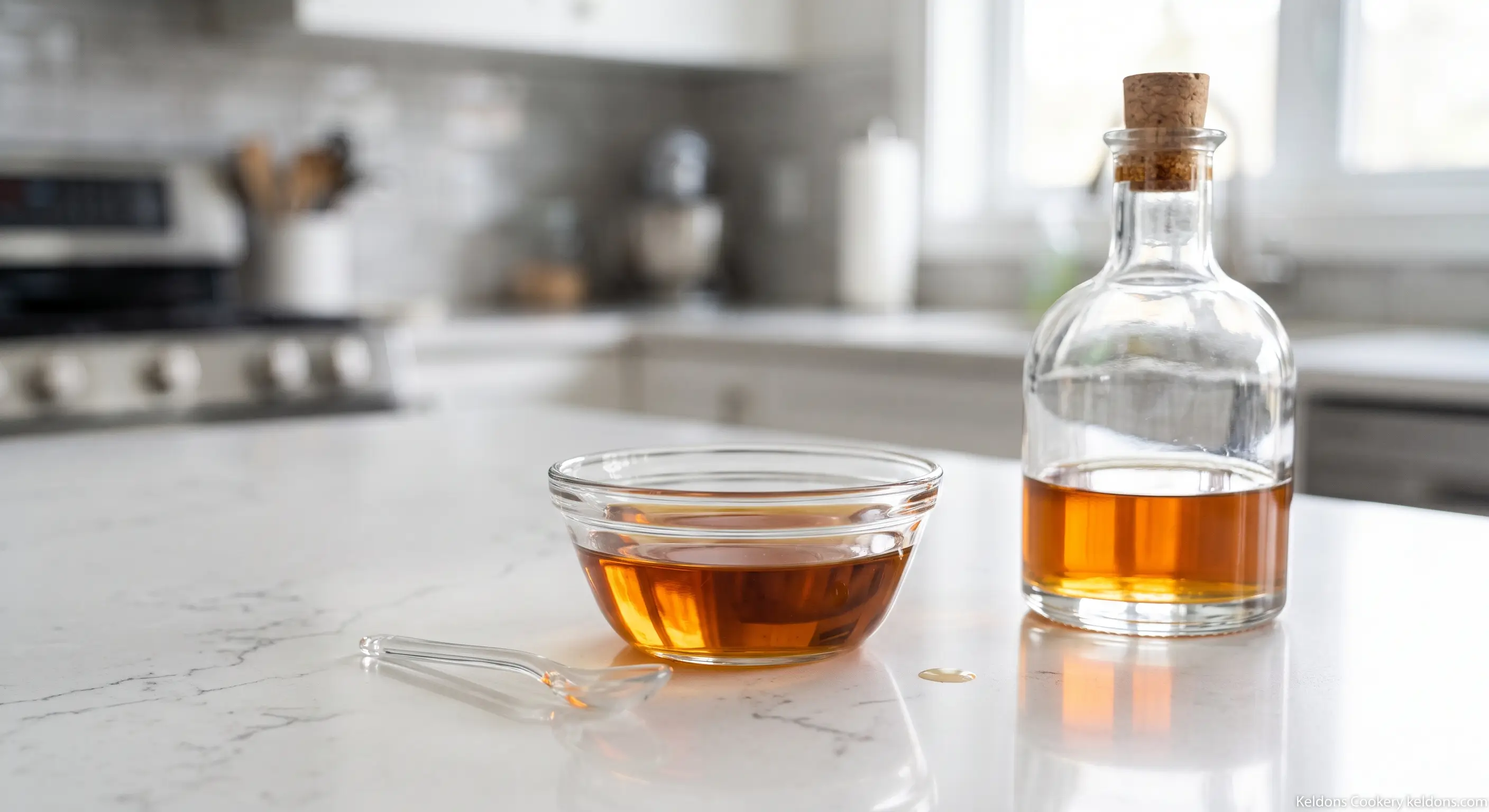
Nutritional Values
Caramelized Fruit & Toasted Oak Notes
- Concentrated Grape & Orchard Depth: Distilling fermented fruit captures bright aromas of stewed plums, raisins, and golden apples that melt seamlessly into both sweet pastry creams and savory meat reductions.
- Warm Barrel-Aged Complexity: Oak cask aging infuses brandy with natural vanillin, toasted almond, and warm baking-spice undertones that mimic hours of slow caramelization in just a few splashes.
Deglazing & Safe Flambéing Tips
- Remove Pan From Burner First: Always pull your hot skillet off the stove burner before pouring in brandy so high flames or electric coils never ignite stray vapors prematurely in your hand.
- Burn Off Harsh Raw Alcohol: Simmer deglazed brandy sauces for two to three minutes, or ignite safely with a long grill lighter, until the sharp alcohol fumes vanish and only sweet, nutty richness remains.
Advertisement
Classic Savory & Sweet Recipes
- Steak au Poivre & Pan Gravies: Deglaze seared steak, pork chop, or duck skillets with a quarter-cup of brandy and heavy cream to lift browned fond into a restaurant-worthy peppercorn pan sauce.
- Holiday Baking & Fruit Desserts: Brush warm brandy over aged fruitcakes, fold into bread pudding custard, macerate dried cherries for pies, or flambé fresh bananas and peaches over vanilla ice cream.
Smart Buying & Pantry Swaps
- Buy Drinkable Mid-Shelf Bottles: Choose an affordable VS brandy or domestic grape brandy you would happily sip neat, never salty "cooking brandy" loaded with additives that ruin delicate reductions.
- Alcohol & Non-Alcohol Swaps: Out of brandy? Substitute equal parts dark rum, bourbon, or Cognac, or swap in unsweetened apple cider or white grape juice brightened with a splash of cider vinegar.
Advertisement
Bottle Care & Shelf Longevity
- Upright Cool Cabinet Storage: Store brandy bottles standing upright in a cool, dark pantry away from direct sunlight and stove heat so high-proof alcohol never degrades the natural cork stopper.
- Indefinite Unopened Life: Unopened bottles keep indefinitely, while opened bottles stay vibrant for one to two years, transferring near-empty bottles to smaller glass jars slows slow oxidation.
Advertisement
Raising Your Spirits in the Kitchen
Brandy is the ultimate culinary showstopper, turning a simple Tuesday steak skillet or bowl of vanilla ice cream into a five-star dining experience with one dramatic splash. Whether you are simmering down a velvety mushroom pan sauce or soaking dried fruit for holiday baking, a good bottle brings instant warmth and sophistication to the stove. Just remember to pull that skillet off the burner before pouring, and let those rich oak and fruit notes steal the show.Advertisement
Quick Picks
Advertisement
Advertisement
Handy Tip
Speed up your potato baking process with a simple kitchen hack: soak them in salt water for 20 minutes prior to baking. This not only speeds up cooking time but also enhances flavor, giving you perfectly seasoned, fluffy potatoes faster.
Featured Offering
Tangy Filipino Pork Dinuguan Stew
Recipe of: Philippines

Filed Under: Pork
Prep Method: Stove Top
Made with: 14 Ingredients
Advertisement
Keldons Cookery © 1998 - 2026 All rights Reserved | Secured with SSL
Homemade Goodness. Cook what you eat. Love what you cook!