Cream Cheese
Nutritional Values
Block vs. Whipped Tubs
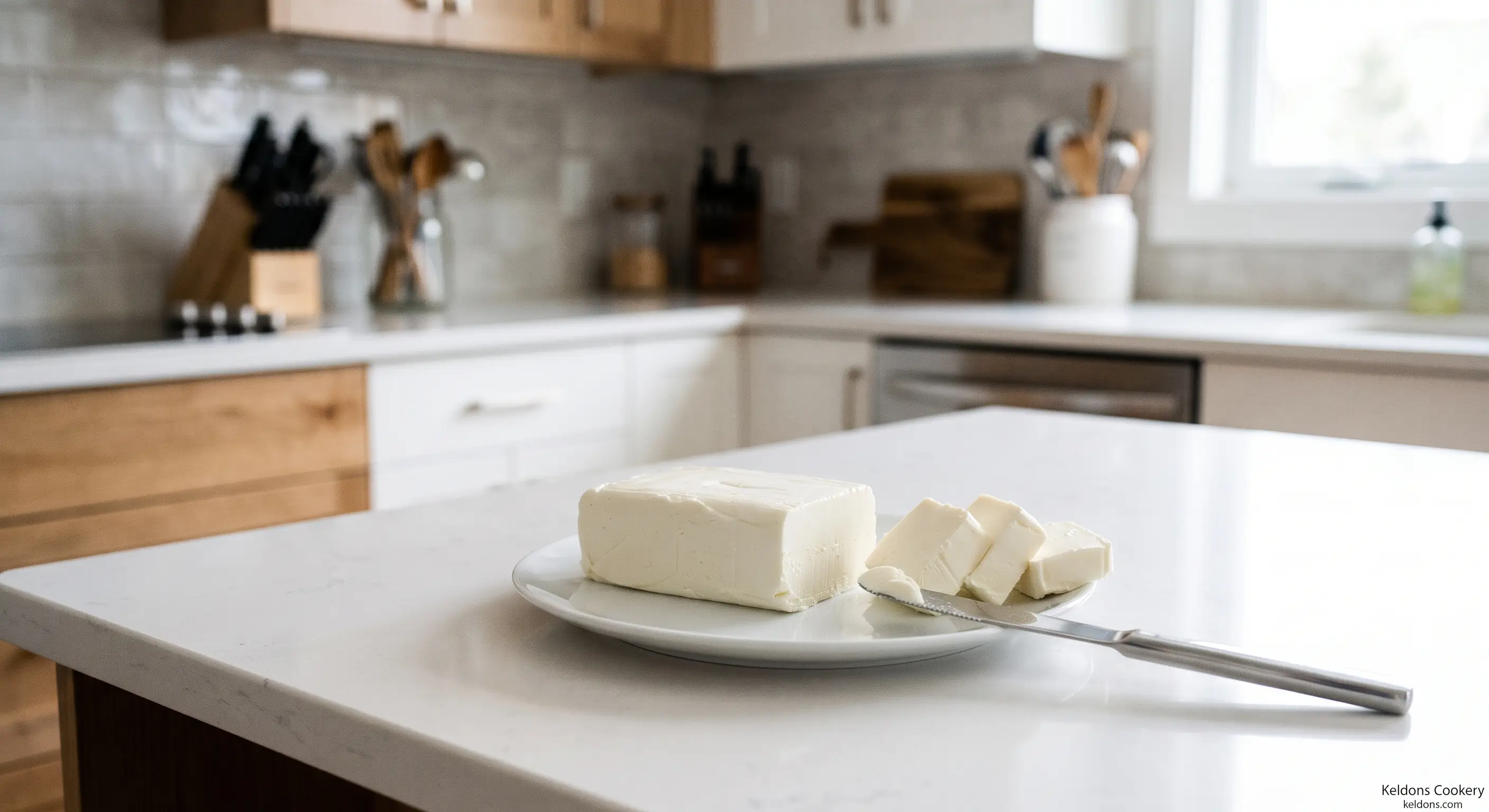
- Foil-Wrapped Bricks: Dense, low-moisture eight-ounce blocks provide the firm structure and high fat content essential for baked cheesecakes, stable frostings, and rolled pastry doughs without weeping.
- Whipped Tub Spreads: Aerated with nitrogen gas for effortless spreading straight from the fridge, tub varieties work wonderfully on morning bagels but collapse if baked into dense cheesecakes.
- Full-Fat vs. Neufchatel: Standard bricks contain at least thirty-three percent milkfat for peak richness, whereas Neufchatel offers a slightly softer, tangier swap with roughly one-third less fat.
Sweet Baking & Frostings
- Velvety Cheesecakes: Beating softened bricks smoothly with sugar and eggs creates dense, custardy baked desserts or airy no-bake fillings that slice cleanly when chilled overnight in the fridge.
- Tangy Cream Frosting: Whipping room-temperature cream cheese with softened butter, powdered sugar, and vanilla balances intense sweetness on carrot cake, red velvet cupcakes, and cinnamon rolls.
- Tender Cream Doughs: Cutting cold cubed cream cheese into flour and butter yields ultra-flaky, rich pastry dough for rugelach cookies, hand pies, and savory galettes that roll out smoothly.
Advertisement
Savory Cooking Magic
- Silky Pasta Sauces: Whisking small cubes into warm pasta water and garlic builds an instant, velvety cream sauce that clings to noodles without separating the way heavy cream sometimes can.
- Warm Party Dips: Blending softened blocks with shredded cheddar, spinach, artichokes, or jalapenos creates bubbly oven-baked dips that stay scoopable and lush even as they cool on the table.
- Stuffed Meats & Peppers: Piping seasoned cream cheese into halved jalapenos, chicken breasts, or mushroom caps adds rich, tangy moisture that keeps lean proteins tender during high-heat roasting.
Softening Without Lumps
- Countertop Rest Time: Unwrap the foil brick and cut it into small one-inch cubes on a plate for thirty to forty-five minutes so the center reaches room temperature evenly before mixing.
- Warm Water Bath: Need it soft fast? Submerge the unopened, tightly sealed foil brick inside a bowl of lukewarm tap water for ten minutes until pliable, avoiding hot water that melts the fat.
- Scrape Bowl Often: Beat the plain softened cheese alone until completely glossy and smooth before adding sugar or liquids, scraping the mixer paddle frequently so tiny white lumps never survive.
Advertisement
Fridge & Freezer Rules
- Airtight Wrapping: Once opened, wrap leftover foil bricks tightly in plastic wrap and tuck them inside a sealed container so the cheese stays moist and never absorbs onion or garlic fridge odors.
- Never Freeze For Spreads: Freezing breaks the smooth dairy emulsion, leaving thawed cream cheese grainy and watery on bagels, though thawed blocks still work fine whisked into cooked soups or dips.
- Clean Knife Habit: Always use a fresh, clean knife when scooping from a tub rather than double-dipping a crumb-covered bagel spreader, which introduces bacteria and speeds up spoilage.
Advertisement
Smooth Operator In Every Aisle
Few ingredients bridge the gap between sweet breakfast spreads and savory dinner comfort quite like a humble brick of cream cheese. Whether you are whipping up tangy frosting for Sunday carrot cake, stirring cubes into a quick garlic pasta sauce, or baking a showstopping cheesecake, this velvety dairy staple delivers effortless richness every time. Just remember to let it soften on the counter first, and you will never battle a lumpy batter again!Advertisement
Advertisement
Advertisement
Handy Tip
If your honey has crystallized or is too thick, place the honey container in a bowl of warm water for a few minutes to loosen it up without losing its natural properties. This gentle method returns honey to its smooth texture, making it easy to pour or spread and enjoy.
Featured Offering
Lemon Beebrush Scallops With Fettucine
Recipe of: Italy

Filed Under: Shellfish
Prep Method: Stove Top
Made with: 14 Ingredients
Advertisement
Keldons Cookery © 1998 - 2026 All rights Reserved | Secured with SSL
Homemade Goodness. Cook what you eat. Love what you cook!