Arborio Rice
Nutritional Values
Inside the Plump Italian Grain
- High Amylopectin Starch: The outer layer of each short grain dissolves smoothly during gentle stirring, releasing velvety starches that thicken cooking broth into a glossy, restaurant-style sauce without added cream.
- Firm Al Dente Core: Beneath its soft, starchy exterior, the dense inner kernel absorbs liquid slowly and holds a pleasant, chewy bite that prevents finished dishes from turning into heavy, overcooked mush.
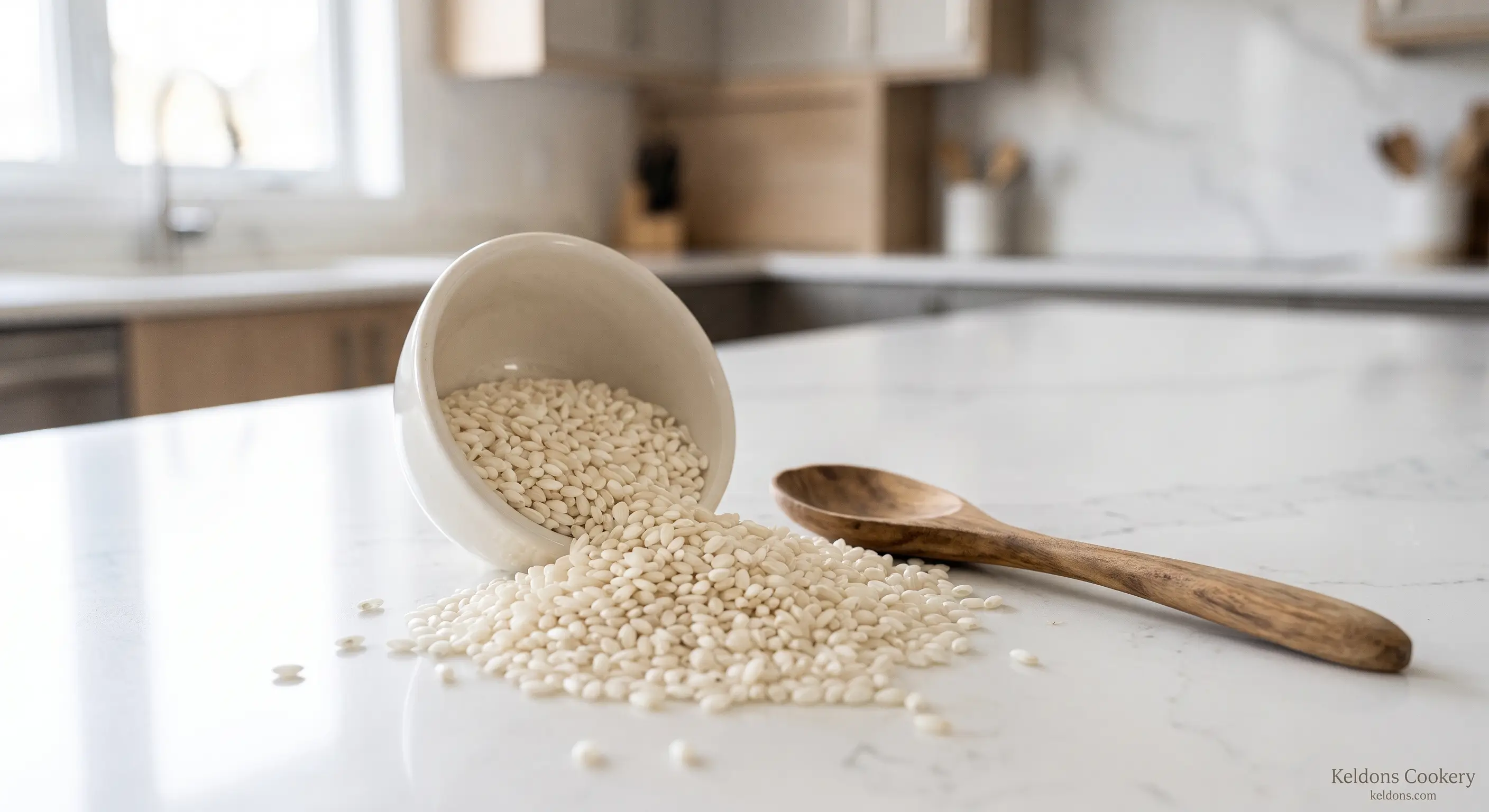
- Distinctive Pearly Center: Each oval grain displays an opaque white dot right in its middle, signaling the concentrated starch core that gives authentic northern Italian dishes their signature structure and bounce.
Golden Rules of Risotto Technique
- Never Rinse Before Cooking: Skip the strainer completely because washing raw Arborio grains strips away the essential surface starch responsible for creating a lush, cohesive emulsion in your skillet or Dutch oven.
- Toast in Fat First: Sauté dry grains in warm olive oil or butter for two minutes until the edges turn translucent, which seals the kernel and adds a subtle, nutty aroma before any liquid hits the pan.
- Add Warm Broth Gradually: Ladle simmering stock one scoop at a time while stirring steadily, allowing gentle friction between grains to coax out starch and letting the rice absorb liquid evenly without cooling the pan.
Advertisement
Versatile Dishes Beyond Risotto
- Crispy Stuffed Arancini: Leftover chilled Arborio risotto binds easily around cubes of mozzarella or savory ragù, frying up into golden, crunchy Italian rice balls with a molten, creamy interior.
- Velvety Stovetop Rice Pudding: Simmered slowly in whole milk, vanilla bean, and warm cinnamon, these plump grains break down into a rich, spoon-coating dessert that tastes luxurious without needing thickeners.
- Hearty Rustic Rice Soups: Toss a handful of raw grains directly into simmering minestrone or chicken vegetable soup during the final twenty minutes to add body, chew, and comforting broth thickness.
Italian Rice Peers & Substitutes
- Carnaroli Rice Upgrade: Often called the king of Italian rice, Carnaroli features slightly longer grains and higher starch stability, making it even harder to overcook than Arborio during long simmers.
- Vialone Nano Alternative: This smaller, rounder Veneto grain absorbs flavors rapidly and produces an ultra-creamy, fluid texture traditionally favored in seafood and vegetable risottos across northern Italy.
- Medium-Grain White Swap: In a pinch, standard medium-grain white rice or sushi rice mimics the creamy starch release fairly well, though you should reduce broth slightly since it softens faster.
Advertisement
Pantry Storage & Portion Math
- Airtight Pantry Storage: Keep raw Arborio rice sealed in a glass jar or airtight container inside a cool, dark cupboard for up to two years, protecting the dry grains from pantry moths and kitchen humidity.
- Dry-to-Cooked Yield: Expect raw Arborio rice to triple in volume once fully hydrated, meaning one cup of uncooked grains yields roughly three cups of rich, creamy risotto suitable for three to four servings.
- Ideal Broth Ratio: Plan on using four parts warm stock to one part dry rice, keeping an extra cup simmering nearby since indoor humidity and burner heat subtly alter evaporation rates.
Advertisement
Stirring Up Some Serious Grain-Deur
Arborio rice proves that a little patience at the stove pays off in pure, velvety comfort. Keep your broth hot, leave the strainer in the cabinet, and let those plump Italian grains work their starchy magic one ladle at a time. Whether you are stirring up a weeknight mushroom dinner or rolling leftovers into crispy arancini, this dependable pantry hero never fails to rice to the occasion.Advertisement
Quick Picks
Advertisement
Advertisement
Handy Tip
Keep your wooden cutting board clean and fresh, simply sprinkle coarse salt over the surface. Using a lemon half, scrub the board, letting the salt and lemon do the heavy lifting. Not only does this method clean, it also deodorizes, giving your board a fresh scent.
Featured Offering
Avocado Soup With Green Peppercorns
Recipe of: Canada

Filed Under: Fruit
Prep Method: Stove Top
Made with: 11 Ingredients
Advertisement
Keldons Cookery © 1998 - 2026 All rights Reserved | Secured with SSL
Homemade Goodness. Cook what you eat. Love what you cook!