Spinach
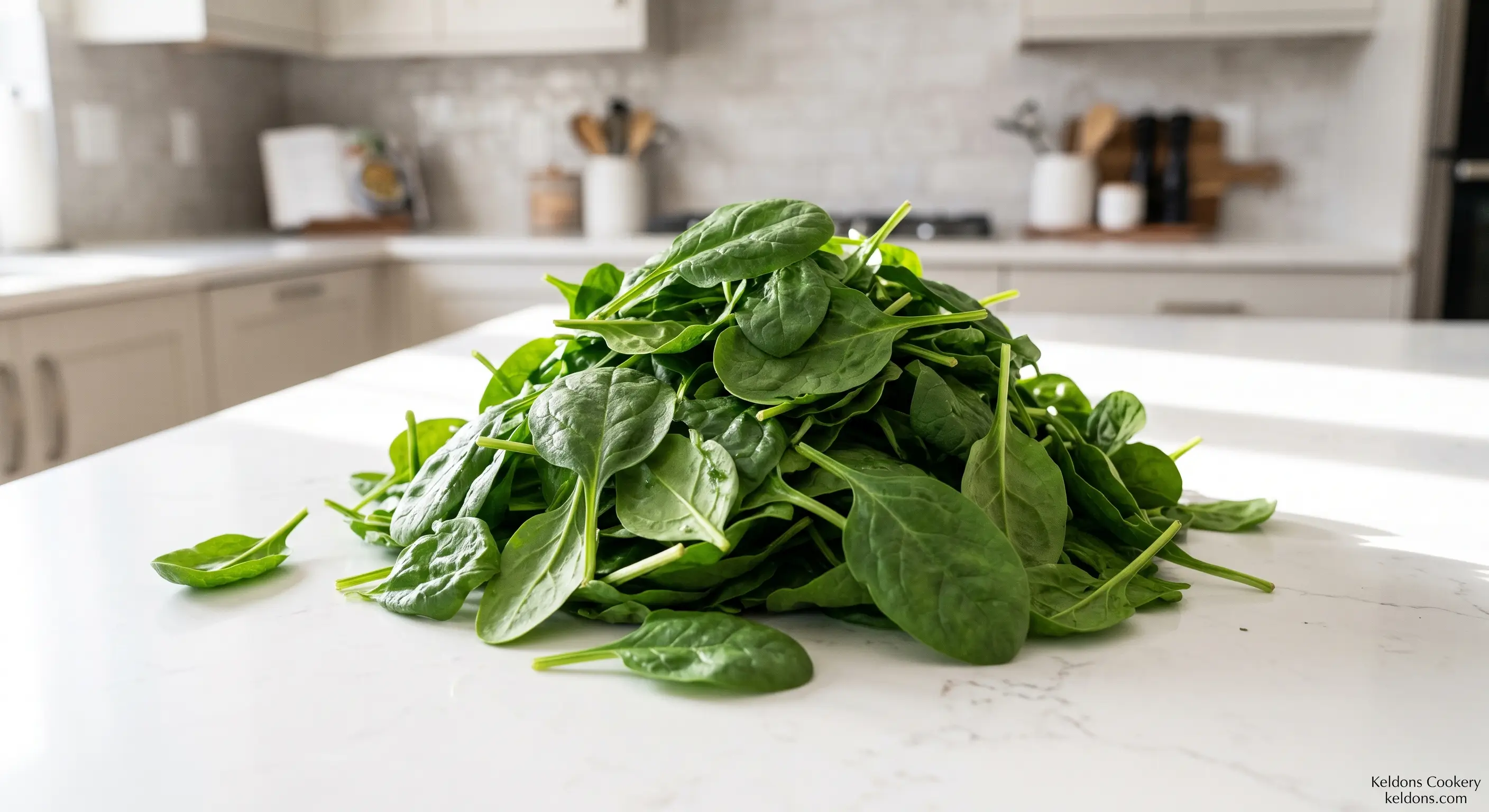
Nutritional Values
Pro-Move Prep
- Swish and Lift Wash: Submerge flat-leaf or savoy spinach in a large bowl of cold water, swish gently to loosen hidden grit, and lift leaves out so dirt stays settled at the bottom.
- Dry Before Sauteing: Spin washed leaves completely dry in a salad spinner or pat with clean kitchen towels so excess water does not steam the greens into a soggy, dull mess in the pan.
- Stem Trim Trick: Pinch off thick, fibrous stems on mature bunch spinach before cooking, while leaving tender baby spinach stems intact since they wilt down smoothly in seconds.
Flavor Pairings That Pop
- Garlic and Lemon: Sauté fresh spinach in olive oil with sliced garlic and finish with a bright squeeze of fresh lemon juice to cut through the greens' natural earthy minerals.
- Creamy Nutmeg Lift: Fold wilted spinach into warm heavy cream, butter, and a tiny pinch of freshly grated nutmeg for a classic steakhouse side dish that tastes rich and balanced.
- Feta and Dill: Combine chopped spinach with salty crumbled feta cheese, fresh dill, and scallions for a Mediterranean filling suited to savory pastries, omelets, or stuffed chicken.
Advertisement
Close Cousins & Stand-Ins
- Swiss Chard Swap: Use chopped Swiss chard leaves in cooked dishes when out of spinach, remembering to slice out the crunchy stems and sauté them a few minutes ahead of the greens.
- Baby Kale Alternative: Substitute tender baby kale in raw salads or warm grain bowls for a slightly heartier bite that holds up well under heavy dressings without wilting too fast.
- Frozen Spinach Backup: Swap ten ounces of thawed, thoroughly squeezed frozen chopped spinach for roughly one pound of fresh leaves in dips, lasagna, casseroles, and creamy sauces.
Keep It Alive
- Paper Towel Cushion: Tuck a dry paper towel inside your plastic clamshell or produce bag to absorb excess refrigerator condensation and keep delicate leaves crisp for days longer.
- Crisper Drawer Zone: Store unwashed spinach in the high-humidity crisper drawer away from ethylene-producing fruits like apples and bananas that speed up yellowing and decay.
- Blanch and Freeze: Blanch surplus fresh spinach in boiling water for one minute, plunge into ice water, squeeze completely dry into tight balls, and freeze for up to three months.
Advertisement
Why Your Body Smiles
- Vitamin K Powerhouse: Just one cup of raw spinach delivers more than your entire daily need for vitamin K, supporting strong bones and healthy blood clotting with virtually zero calories.
- Eye-Protecting Lutein: Packed with lutein and zeaxanthin, these dark green leaves help filter harsh blue light and protect long-term vision health as part of a balanced diet.
- Smart Iron Pairing: Pair cooked spinach with vitamin C-rich foods like bell peppers, tomatoes, or citrus juice to help your body absorb its plant-based non-heme iron far more efficiently.
Advertisement
Leaf Nothing to Chance in the Pan
Spinach is the ultimate kitchen magic trick: an entire mountain of fresh leaves vanishes into three forkfuls the second it hits a hot skillet. Keep a tub in your fridge and you have an instant nutrition boost for morning eggs, weeknight pastas, and creamy dips without extra prep work. Just remember to buy twice as much as you think you need, because that giant bag shrinks faster than your paycheck on grocery day.Advertisement
Advertisement
Advertisement
Handy Tip
Keep your wooden cutting board clean and fresh, simply sprinkle coarse salt over the surface. Using a lemon half, scrub the board, letting the salt and lemon do the heavy lifting. Not only does this method clean, it also deodorizes, giving your board a fresh scent.
Featured Offering
Rustic Golden Damper Bread
Recipe of: Australia

Filed Under: Bakery
Prep Method: Oven
Made with: 5 Ingredients
Advertisement
Keldons Cookery © 1998 - 2026 All rights Reserved | Secured with SSL
Homemade Goodness. Cook what you eat. Love what you cook!