Salt Codfish
Nutritional Values
In a Pinch Substitutions
- Quick-Salt Fresh Cod Fillets: Pack thick fresh cod fillets in kosher salt for four to six hours in the fridge, then rinse well to mimic saltfish's firm, meaty flake when traditional dried fillets are unavailable.
- Smoked Haddock (Finnan Haddie): Swap lightly cured smoked haddock in creamy chowders, fish cakes, or potato gratins for matching firm white flakes and savory depth without needing an overnight water soak.
- Salted Pollock or Saithe: Use cured salted pollock or ling cup-for-cup in Caribbean ackee dishes or Portuguese stews; these closely related whitefish cure identically and cost noticeably less per pound.
- Firm Fresh Halibut or Haddock: Poach thick fresh haddock or halibut fillets in well-salted water with a bay leaf for salads or fritters when you want clean white flakes without intense cured saltiness.
Global Classics & Everyday Culinary Roles
- Caribbean Ackee & Saltfish: Simmer flaked desalted cod with sweet tomatoes, scotch bonnet peppers, onions, and buttery boiled ackee fruit for Jamaica's iconic, deeply savory national breakfast dish.
- Crispy Saltfish Fritters & Croquettes: Fold finely shredded rehydrated cod into seasoned batter with scallions and herbs, then fry into golden, crisp-edged fritters served with spicy dipping sauces or lime wedges.
- Creamy Mediterranean Brandade: Whip poached saltfish slowly with warm olive oil, crushed garlic, and milk or potatoes into a velvety, savory spread served warm alongside crusty toasted baguette slices.
- Portuguese & Spanish Bacalao Stews: Layer thick, tender desalted cod steaks with sliced potatoes, sweet bell peppers, olives, tomatoes, and extra-virgin olive oil for a rustic one-pot oven bake.
Advertisement
Soaking, Desalting & Flaking Techniques
- Soak in Cold Water for 24 to 48 Hours: Submerge thick saltfish fillets skin-side up in a large bowl of cold water inside the refrigerator, changing the water every eight hours until the flesh plumps and tastes mildly briny.
- Never Soak on a Warm Counter: Always desalt codfish inside the refrigerator rather than at room temperature, because as protective surface salt dissolves away, warm kitchen air lets spoilage bacteria grow fast.
- Taste a Tiny Raw Corner Before Cooking: Pinch off a small flake from the thickest center part of the soaked fillet to check salinity; it should taste pleasantly seasoned like ocean water rather than harshly salty.
- Shortcut Boiling Method in a Rush: When short on time, simmer rinsed saltfish in fresh water for fifteen minutes, drain, and repeat once with clean water to strip excess salt in under forty minutes total.
Staying Alive: Shelf & Stash
- Dry Unsoaked Fillets in the Fridge: Wrap dry, heavily salted codfish tightly in parchment paper and foil inside the refrigerator crisper drawer, where dense salt preservation keeps it fresh for up to six months.
- Cool, Dry Pantry Storage for Whole Cure: Traditional bone-in, hard-dried saltfish can hang or rest wrapped in breathable paper in a cool, dry cellar below fifty-five degrees Fahrenheit for several months without spoiling.
- Refrigerate Desalted Fish Promptly: Once saltfish has been soaked in water, treat it just like fresh raw seafood, store it covered in the coldest part of your refrigerator and cook it within two days.
- Freeze Soaked Portions for Fast Dinners: Pat desalted, flaked codfish dry and freeze it in airtight zip-top bags for up to three months so you can toss ready-to-cook saltfish straight into weeknight soups or fritters.
Advertisement
Savvy Savings
- Buy Bone-In Split Sides Over Center Loins: Purchasing whole split saltfish sides or tail sections costs significantly less per pound than trimmed center-cut loins while yielding the exact same sweet flakes once poached.
- Check Caribbean & Portuguese Markets: Visit neighborhood international grocery stores where high turnover keeps salted codfish fresher and priced well below specialty gourmet seafood counters.
- Save the Poaching Liquid for Chowders: After gently simmering desalted cod in fresh water or milk, strain and use that naturally savory, lightly seasoned broth as the flavor base for potato soup or fish chowder.
- Stretch Small Portions With Potatoes & Rice: Because cured saltfish packs concentrated savory umami, just half a pound easily flavors a massive family skillet of Spanish rice, potato hash, or hearty bean stew.
Advertisement
Worth Its Salt From Ocean to Skillet
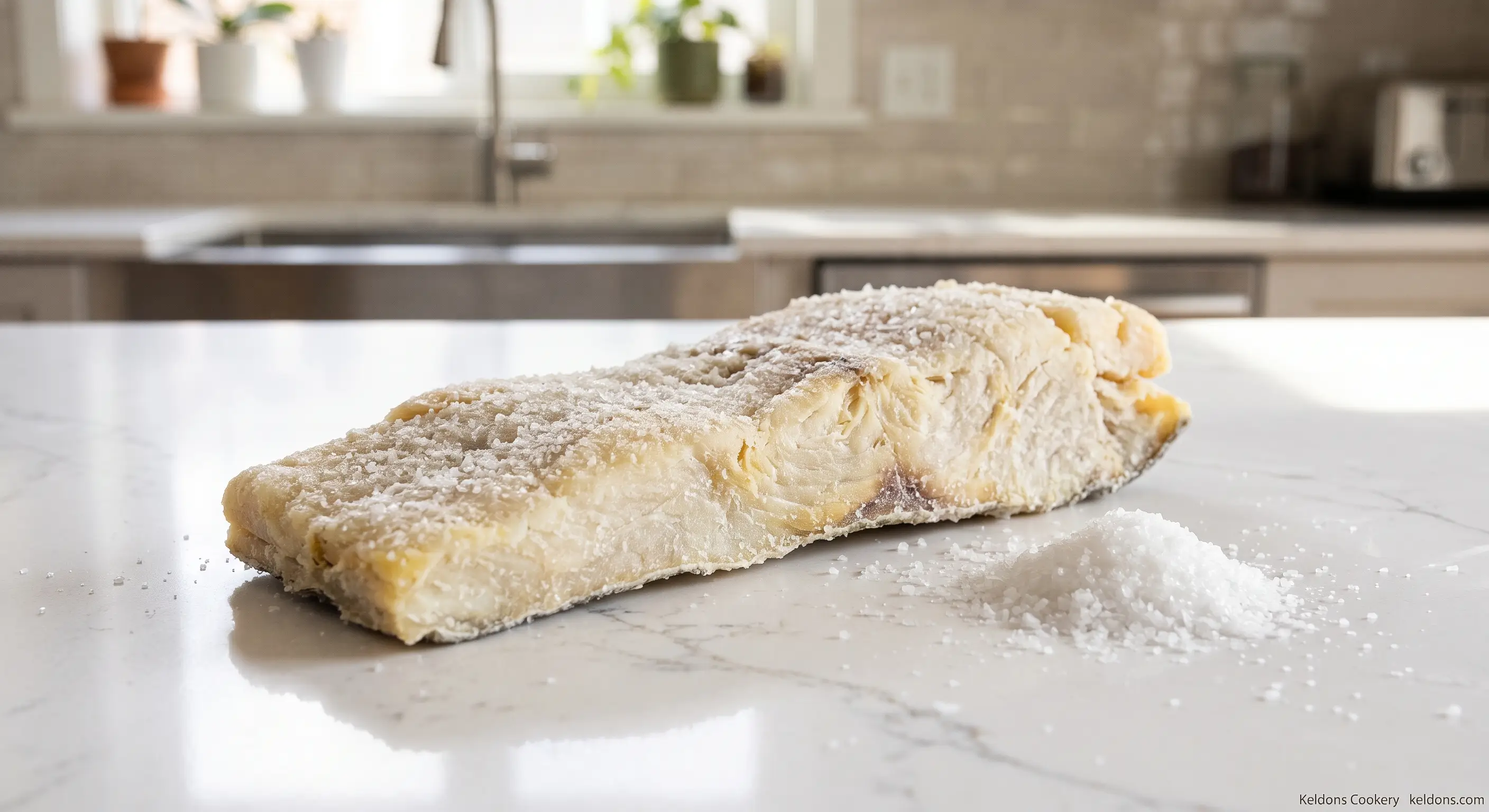
Salt codfish might look like a stiff wooden plank when you bring it home from the market, yet a simple cold-water bath brings it roaring back to life as tender, savory, flaky perfection. From crispy Caribbean fritters to comforting Portuguese potato bakes, this timeless pantry powerhouse proves why sailors and home cooks have trusted salt curing for centuries. Give it a proper soak, taste as you go, and let this briny classic steal the dinner spotlight.Advertisement
Quick Picks
Advertisement
Advertisement
Handy Tip
A good rule of thumb for freezing spaghetti is to slightly undercook it before freezing. This helps maintain a better texture when reheated. Making sure each noodle is well-coated with olive oil or spaghetti sauce can also prevent clumping and freezer burn.
Featured Offering
Avocado Soup With Green Peppercorns
Recipe of: Canada

Filed Under: Fruit
Prep Method: Stove Top
Made with: 11 Ingredients
Advertisement