Pecans
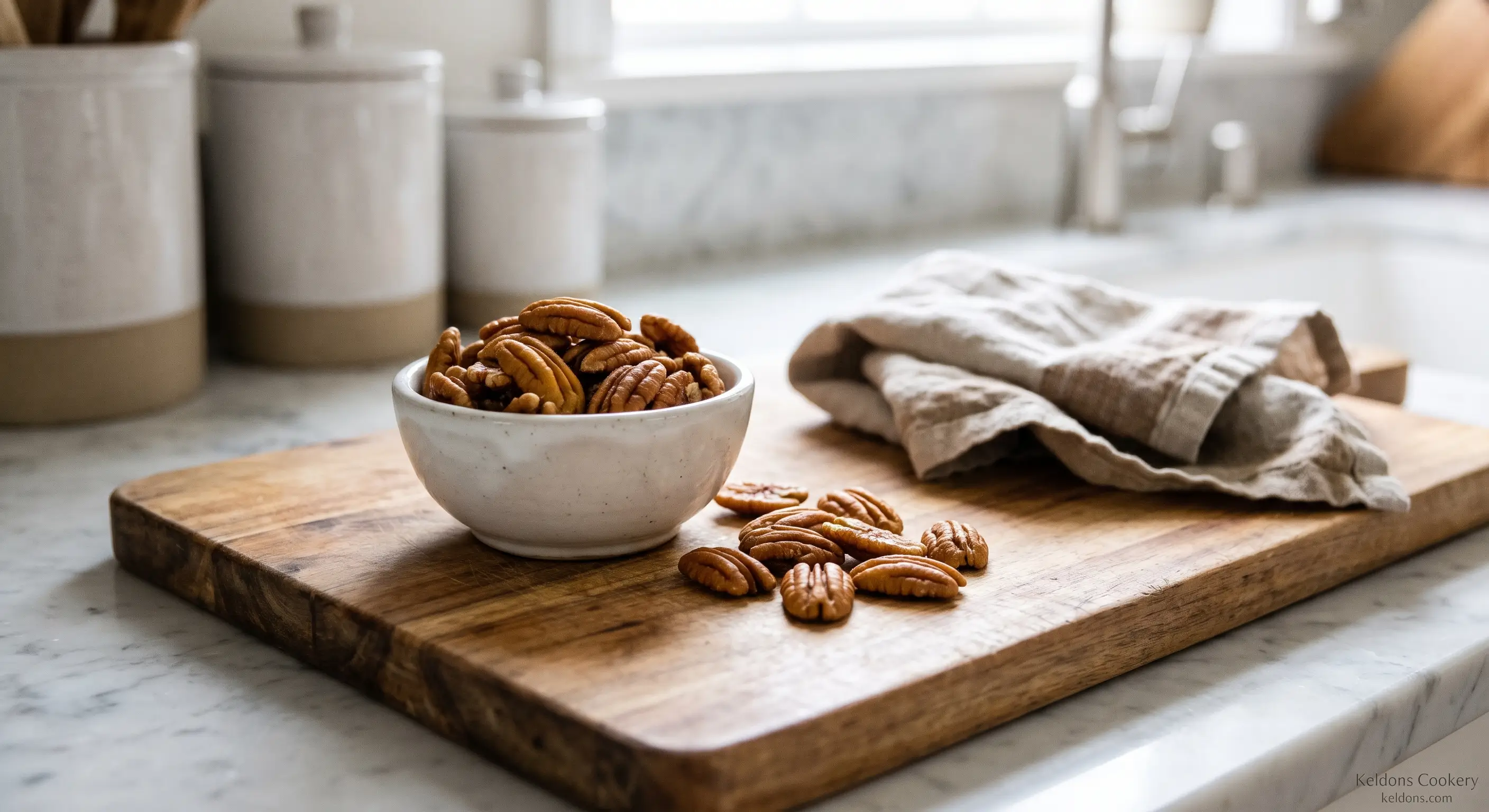
Nutritional Values
Buying Halves, Pieces, and In-Shell Pecans
- Mammoth and Junior Halves: Whole intact pecan halves offer dramatic visual appeal and crisp snap, making them the top choice for decorating pie tops, candied snack mixes, cheese boards, and roasted vegetable platters.
- Chopped Pieces and Meal: Pre-chopped pecan pieces distribute evenly through cookie doughs, muffin batters, and streusel toppings while saving prep time and typically costing less per pound than pristine whole halves.
- Whole In-Shell Autumn Pecans: Sold in mesh bags during fall harvest, whole unshelled pecans stay naturally protected inside their smooth brown shells for months until you crack them open right before holiday baking.
Best Sweet and Savory Culinary Uses
- Classic Pies, Tarts, and Pralines: Folding toasted pecans into brown sugar, dark corn syrup, or maple custard creates the iconic caramelized crunch of Southern pecan pie, butter tarts, and melt-in-your-mouth creamy pralines.
- Crispy Nut Crusts for Fish and Poultry: Pulsing pecans with panko breadcrumbs, garlic powder, and fresh herbs builds a golden, flavorful crust for baked salmon fillets, pork tenderloin medallions, or pan-seared chicken breasts.
- Autumn Salads and Roasted Sides: Tossing warm toasted pecans over roasted Brussels sprouts, butternut squash, or bitter arugula salads with maple vinaigrette adds rich buttery contrast and satisfying textural crunch.
Advertisement
Toasting Techniques to Unlock Buttery Flavor
- Oven Sheet-Pan Roasting: Spread raw pecans in a single layer on a rimmed baking sheet and bake at 350° Fahrenheit for eight to ten minutes until fragrant and slightly darkened, stirring halfway through.
- Quick Dry Skillet Method: Warm pecans in a dry cast-iron or stainless skillet over medium-low heat for four to five minutes, tossing constantly so their natural oils toast evenly without scorching the delicate grooves.
- Cool Completely Before Chopping: Let freshly toasted pecans cool on the pan for ten minutes before dicing or folding into batter so their internal oils firm back up and deliver maximum crispness in your finished dish.
Smart Nut Substitutions When Out
- Raw Walnut Halves: Swap walnuts at an exact one-to-one ratio in brownies, banana bread, and salads for similar crunchy texture, though walnuts bring a slightly earthier, mildly astringent skin note.
- Toasted Hazelnuts or Almonds: Substitute skin-on almonds or roasted hazelnuts one-for-one in tarts, grain pilafs, and green bean dishes when you want crisp, sweet nuttiness with a firmer, denser bite.
- Nut-Free Roasted Pepitas: Use toasted green pumpkin seeds at a one-to-one ratio in salads, granola, and cookies when cooking for guests with tree-nut allergies who still crave warm, earthy crunch.
Advertisement
Cold Storage to Prevent Oil Rancidity
- Why High Oil Content Spoils Fast: Because pecans contain over seventy percent natural fat, leaving opened bags in a warm pantry causes their delicate unsaturated oils to oxidize and turn bitter within a few weeks.
- Refrigerator and Freezer Shelf Life: Transfer shelled pecans into an airtight freezer bag or glass jar and store in the fridge for up to nine months or the freezer for two full years without losing flavor.
- Use Straight From the Freezer: Chop or toast frozen pecans directly without thawing first, as their low moisture content keeps them crisp and ready to hit a hot skillet or mixing bowl straight away.
Advertisement
You Pecan Do Anything in the Kitchen
Pecan nuts bring instant warmth, crunch, and buttery richness to nearly every corner of your kitchen, whether you are baking a holiday pie, topping morning oatmeal, or crusting Friday night salmon. Give them a quick toast in a dry skillet to wake up their natural oils, stash your spare bag safely in the freezer so they never turn bitter, and enjoy one of North America's finest culinary treasures all year long.Advertisement
Quick Picks
Advertisement
Advertisement
Handy Tip
Don't throw away those apple cores. They can be repurposed to create a delightful apple-infused water. Just slice up a few apples, cores included, and add them to a pitcher of ice water, in no time at all, you'll have a refreshing, flavorful drink to enjoy.
Featured Offering
Preserved Lemons #2
Recipe of: Morocco

Filed Under: Fruit
Prep Method: Aging
Made with: 8 Ingredients
Advertisement
Keldons Cookery © 1998 - 2026 All rights Reserved | Secured with SSL
Homemade Goodness. Cook what you eat. Love what you cook!