Lemon Rind
Nutritional Values
Close Cousins & Stand-Ins
- Fresh Lime Peel: Delivers an equally vibrant punch of aromatic citrus oils with a slightly sharper, tropical herbal profile that brightens savory dishes, light marinades, and pan sauces.
- Sweet Orange Zest: Provides a sweeter, noticeably rounder citrus fragrance that steps into baking batters, quick breads, cookies, and rich breakfast pastries at a direct one-to-one volume swap.
- Pure Lemon Extract: Made by steeping lemon peel oils into alcohol; a scant half-teaspoon delivers vibrant citrus punch across cake frostings, dessert fillings, and holiday cookie doughs.
Pro-Move Prep
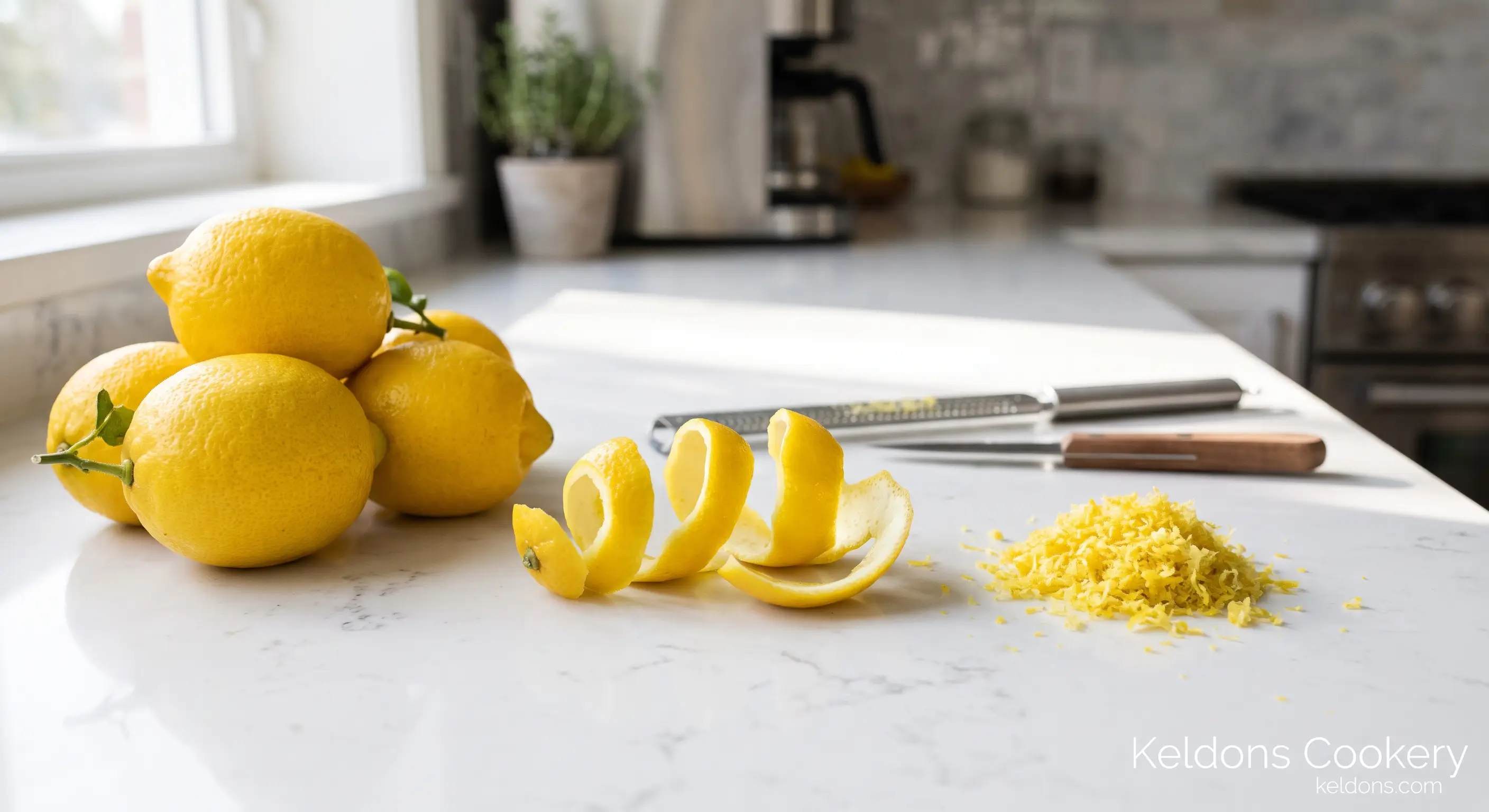
- Microplane Angle: Sweep citrus lightly across your grater blades at a shallow angle to capture yellow skin while dodging the spongy white albedo layer, which brings unpleasant bitterness.
- Warm Water Scrub: Wash whole fruit beneath warm running water with a soft produce brush before grating to release packaging waxes and surface residues trapped inside porous skin pockets.
- Sugar Oil Infusion: Rub freshly grated citrus zest directly into granulated sugar with your fingertips for two full minutes before mixing to extract aromatic oils and disperse flavor evenly.
Advertisement
Staying Alive: Shelf & Stash
- Chilled Crisper: Keep whole citrus tucked inside a breathable perforated produce bag inside your refrigerator drawer to keep outer rinds supple, aromatic, and easy to grate for three weeks.
- Airtight Freezer Stash: Spread freshly grated zest onto parchment paper until solid, then pack it into small airtight glass jars to freeze for six months of instant, mess-free citrus sprinkles.
Rookie Mistakes to Avoid
- Gouging White Pith: Pressing too hard against your rasp digs deep into the pale white inner rind, leaching harsh bitterness into delicate pastry doughs, smooth frostings, and light pan gravies.
- Juicing Before Zesting: Squeezing out fruit juice before stripping the outer skin collapses citrus firmness, making clean grating nearly impossible and risking skinned knuckles on sharp edges.
Advertisement
The Good Stuff
- Natural Limonene: Packed with highly concentrated limonene compounds residing in outer oil glands, offering potent natural antioxidant properties that shield body cells against oxidative wear.
- Soluble Pectin Fiber: Contains notable amounts of gentle dietary pectin fiber within its tender zest cell walls, aiding natural gut digestion while adding essentially zero calories to recipes.
Advertisement
Main Squeeze Appeal
Tossing aromatic citrus peel into your weekly cooking turns ordinary meals into an absolute breeze. Skipping the bitter white pith and harvesting the fragrant outer skin keeps delicate pastries singing and savory pan reductions remarkably bright. Do not let those gold skins get chucked into the trash bin when they carry the boldest flavor punch in the entire citrus fruit. Your home cooking deserves the absolute zest, so start peeling away.Advertisement
Advertisement
Advertisement
Handy Tip
Forget the old wives' tale of throwing pasta against the wall to see if it's cooked. Not only does this make your kitchen walls difficult to clean, but it's also not the most reliable method to test pasta's doneness. There's a better way to make sure your pasta is perfectly cooked.
Featured Offering
Lemon Beebrush Kugelhopf With Strawberries
Recipe of: Austria

Filed Under: Herbs
Prep Method: Oven
Made with: 13 Ingredients
Advertisement
Keldons Cookery © 1998 - 2026 All rights Reserved | Secured with SSL
Homemade Goodness. Cook what you eat. Love what you cook!