Rice
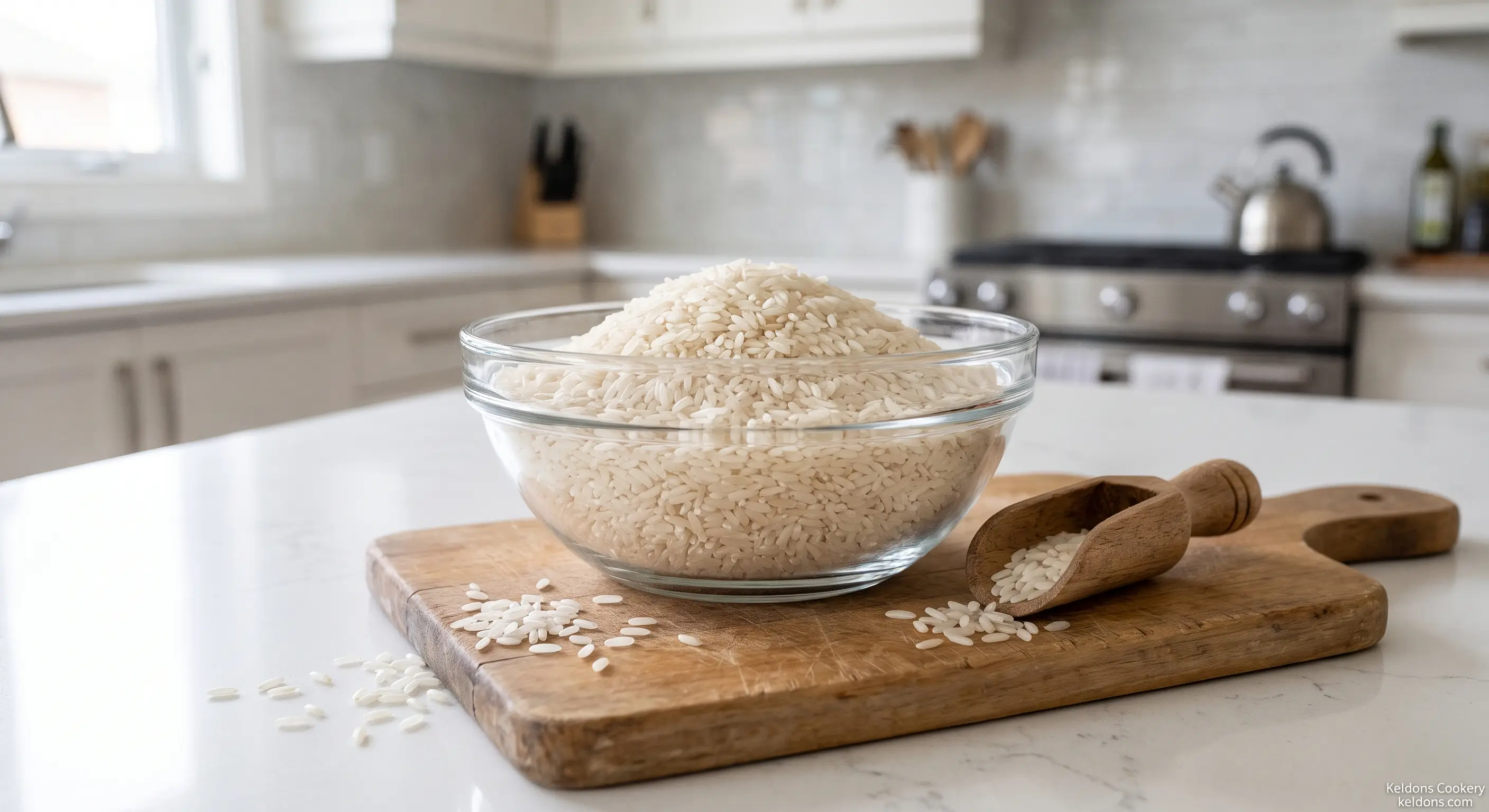
Nutritional Values
Choosing the Right Grain Length
- Long-Grain Varieties: Slender grains like basmati, jasmine, and standard American long-grain stay light, dry, and neatly separated when cooked, making them ideal for curries, pilafs, and burrito bowls.
- Medium-Grain Rice: Shorter, wider kernels hold slightly more starch and cling together gently once tender, working wonderfully in paella, hearty soups, and comforting everyday grain bowls.
- Short-Grain and Sticky Rice: Plump, nearly round grains release creamy amylopectin starch as they simmer, creating the tender, cohesive texture needed for sushi rolls, risotto, and sweet rice puddings.
Rinsing and Water Ratio Secrets
- Rinse Until Clear: Swirl dry rice in a fine-mesh strainer under cool running water three or four times before cooking to wash away loose surface starch that otherwise turns pots gummy.
- Reliable Absorption Ratios: Simmer standard white long-grain rice with one and a half cups of water per cup of rinsed grain, while chewy whole-grain brown rice needs closer to two cups of water.
- The Ten-Minute Steam Rest: Turn off the heat once water absorbs and let the covered pot sit undisturbed for ten minutes so residual steam finishes cooking the top grains evenly without scorching.
Advertisement
Everyday Cooking Methods Beyond Basic Boiling
- Toasted Pilaf Method: Sauté rinsed dry rice in melted butter or olive oil with finely diced onion for two minutes before adding warm broth, infusing every grain with rich, nutty depth.
- Day-Old Fried Rice: Spread cooked rice on a tray to chill overnight in the fridge so the grains dry out slightly, allowing them to sizzle crisp and separate in a hot wok without clumping.
- Slow-Simmered Risotto: Stir warm stock gradually into short-grain arborio rice over medium heat to coax out natural starches, creating a velvety, restaurant-worthy dish without heavy cream.
Simple Ways to Boost Plain Rice
- Broth Over Plain Water: Swap half or all of your cooking water for seasoned chicken, beef, or vegetable broth to turn an ordinary side dish into a savory, deeply flavorful meal foundation.
- Whole Aromatics in the Pot: Drop a smashed garlic clove, a bay leaf, a strip of lemon peel, or two cracked cardamom pods onto the rice before covering to perfume the steam subtly.
- Fresh Herbs and Citrus: Fold chopped fresh cilantro, parsley, toasted sesame seeds, and a squeeze of bright lime or lemon juice through hot fluffed grains right before serving.
Advertisement
Safe Pantry and Leftover Storage
- Airtight Pantry Canisters: Keep dry white rice in a sealed container in a cool, dry cupboard for up to two years, while oil-rich brown rice stays freshest when stored in the refrigerator.
- Cool Leftovers Rapidly: Spread hot cooked rice onto a shallow plate to cool quickly and refrigerate within one hour of cooking to prevent foodborne bacteria from multiplying safely.
- Reheating With Steam: Sprinkle a tablespoon of water over cold leftover rice and cover tightly before microwaving so trapped steam restores soft, freshly cooked fluffiness in seconds.
Advertisement
No More Grainy Excuses for Boring Sides
Rice proves that the simplest staples in your pantry can carry almost any dinner from weeknight stir-fries to slow-simmered Sunday curries. Once you master a quick cold-water rinse, the right water ratio, and a patient ten-minute steam rest, mushy or scorched pots become a thing of the past. Keep a couple of varieties tucked in your cupboard and let those humble little grains soak up every drop of flavor on your plate.Advertisement
Advertisement
Advertisement
Handy Tip
Keep your wooden cutting board clean and fresh, simply sprinkle coarse salt over the surface. Using a lemon half, scrub the board, letting the salt and lemon do the heavy lifting. Not only does this method clean, it also deodorizes, giving your board a fresh scent.
Featured Offering
Stuffed Baked Apples
Recipe of: Austria

Filed Under: Fruit
Prep Method: Oven
Made with: 5 Ingredients
Advertisement
Keldons Cookery © 1998 - 2026 All rights Reserved | Secured with SSL
Homemade Goodness. Cook what you eat. Love what you cook!