Molasses
Nutritional Values
Light, Dark & Blackstrap Grades
- Light or Mild Molasses: Collected from the first boiling of sugarcane juice, this amber-brown syrup is the sweetest and mildest grade, making it ideal for chewy ginger snaps, shoo-fly pie, and delicate breakfast glazes.
- Dark or Robust Molasses: Extracted after a second boiling cycle when more sucrose has crystallized out, this thicker, deeper-colored syrup delivers bold bittersweet caramel notes perfect for classic gingerbread and baked beans.
- Intense Blackstrap Molasses: Boiled a third time until nearly all sucrose is removed, blackstrap is thick, salty-bitter, and packed with iron and minerals, working best in savory barbecue rubs and dark pumpernickel breads.
Classic Sweet & Savory Uses
- Chewy Spiced Baked Goods: Combine dark molasses with warm ground ginger, cinnamon, and cloves to bake soft molasses crinkles, spiced gingerbread loaves, and rich sticky toffee puddings with irresistible bakery aroma.
- Slow-Simmered Baked Beans: Stir a generous pour of robust molasses into navy beans with mustard, onion, and smoked bacon so the cooking liquid thickens into a glossy, deeply savory-sweet glaze inside the Dutch oven.
- Smoky Barbecue & Meat Glazes: Whisk molasses with apple cider vinegar, tomato paste, garlic, and smoked paprika to brush over grilled pork ribs, meatloaf, or roasted chicken thighs for a caramelized, sticky lacquer.
Advertisement
Mess-Free Measuring Tricks
- Oil Your Measuring Cup First: Coat the inside of your measuring spoon or liquid cup lightly with neutral vegetable oil or nonstick cooking spray so thick molasses slides straight out into your mixing bowl without leaving half behind.
- Use Warm Metal Spoons: Dip metal measuring spoons briefly into hot water and wipe them dry right before scooping so the residual warmth helps viscous syrup release cleanly in one smooth, accurate pour.
- Weigh Directly on a Scale: Place your mixing bowl directly onto a digital kitchen scale, zero out the display, and pour straight from the jar, one standard tablespoon of molasses weighs right around twenty grams.
Sulfured vs. Unsulfured Labels
- Unsulfured Culinary Molasses: Made from sun-ripened sugarcane that needs no chemical preservatives during processing, unsulfured molasses offers clean, pure sugarcane flavor and is the top choice for almost all home baking.
- Sulfured Young-Cane Molasses: Produced from younger green cane treated with sulfur dioxide to preserve color and shelf stability, sulfured varieties can carry a sharper chemical undertone that alters delicate dessert batters.
- DIY Brown Sugar Substitute: Pulse one cup of granulated white sugar with one tablespoon of unsulfured light molasses in a food processor for fresh light brown sugar, or double the molasses for rich dark brown sugar.
Pantry Storage & Crystallization
- Cool Dark Cupboard Shelf: Keep tightly capped bottles in a cool, dry pantry away from stove heat; unopened molasses stays good for up to two years, while opened jars keep their peak flavor for six to twelve months.
- Wipe Sticky Jar Threads Clean: Always wipe drips off the glass rim and inside the cap with a damp warm cloth before sealing, otherwise dried sugar glue will lock the lid shut tighter than a bank vault by your next baking day.
- Skip the Refrigerator Drawer: Never store molasses in the fridge, because cold temperatures turn the dense syrup nearly solid and encourage gritty sugar crystals to form along the bottom and sides of the bottle.
Advertisement
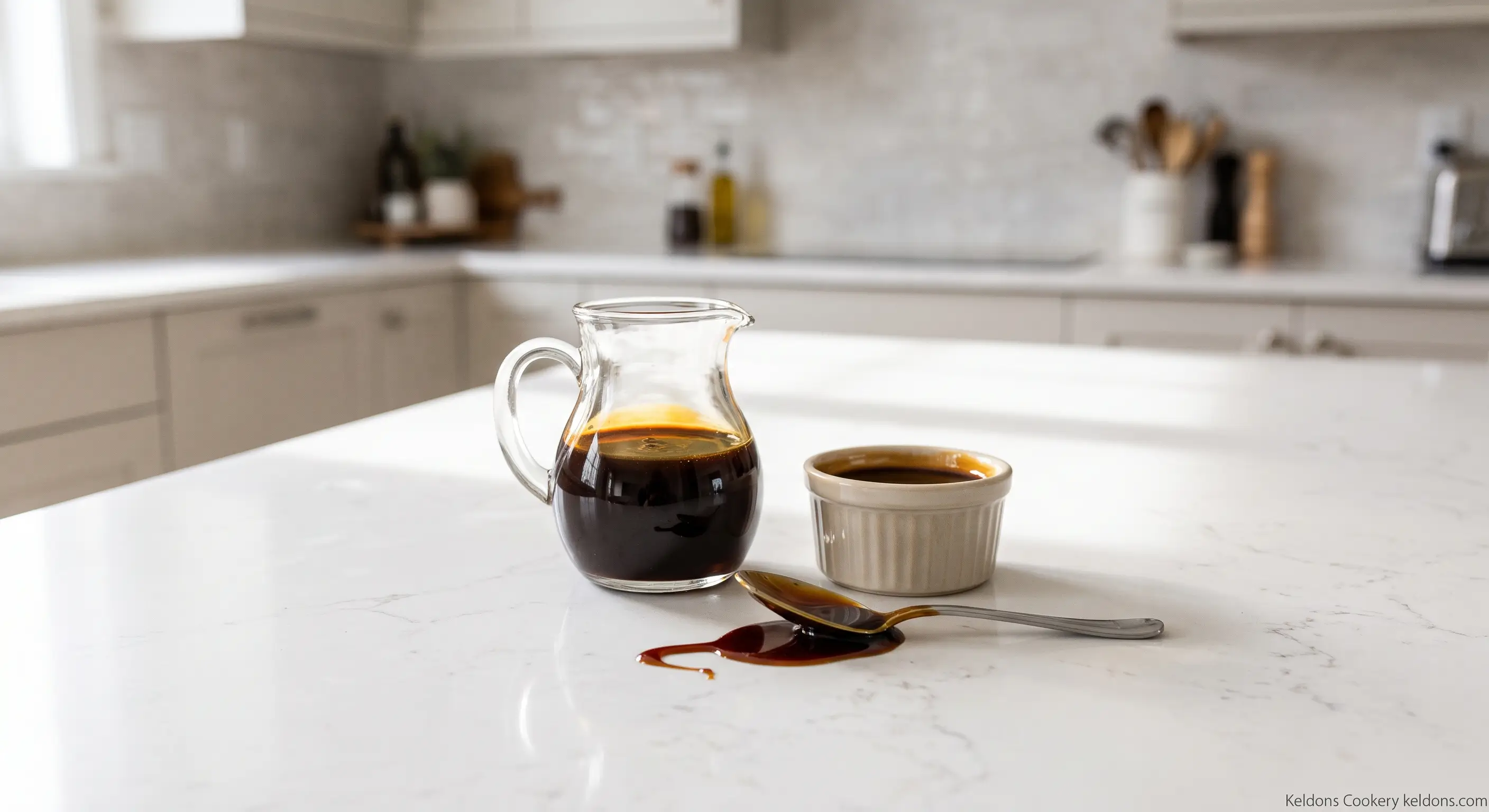
Inspect molasses before measuring by checking the jar seal and surface clarity; fresh molasses pours in a thick, glossy, uniform ribbon without white mold spots or foamy bubbles on top. Give the open jar a quick sniff, good molasses smells deeply of warm caramel, toasted brown sugar, and earthy sugarcane rather than sour vinegar or fermented yeast, which signals spoilage from water contamination. Check the bottom for heavy sugar crystallization; gentle warming in hot water restores smooth flow. Like we always say at Keldons Cookery, bulging lids and murky brine are trouble down the line. Keep the seal tight or call it a night.
Advertisement
Slower Than Molasses, Worth the Wait
Molasses has earned its famous reputation for moving at a glacial pace, yet no other pantry bottle delivers such deep, cozy sweetness to your kitchen. One sticky spoonful transforms ordinary cookie dough into holiday magic and turns humble beans or ribs into Sunday dinner legends. Just remember to oil your measuring cup first, or you will spend half your afternoon scraping dark brown glue off your favorite spoon.Advertisement
Advertisement
Advertisement
Handy Tip
To make sure your eggs are fresh and safe to eat, use a simple water test. Submerge your egg in a bowl of water: fresh eggs will sink to the bottom, while older, less fresh eggs float. This easy hack helps you determine quickly an egg's freshness before use.
Featured Offering
Zucchini Milk Bread
Recipe of: Canada

Filed Under: Fruit
Prep Method: Oven
Made with: 13 Ingredients
Advertisement
Keldons Cookery © 1998 - 2026 All rights Reserved | Secured with SSL
Homemade Goodness. Cook what you eat. Love what you cook!