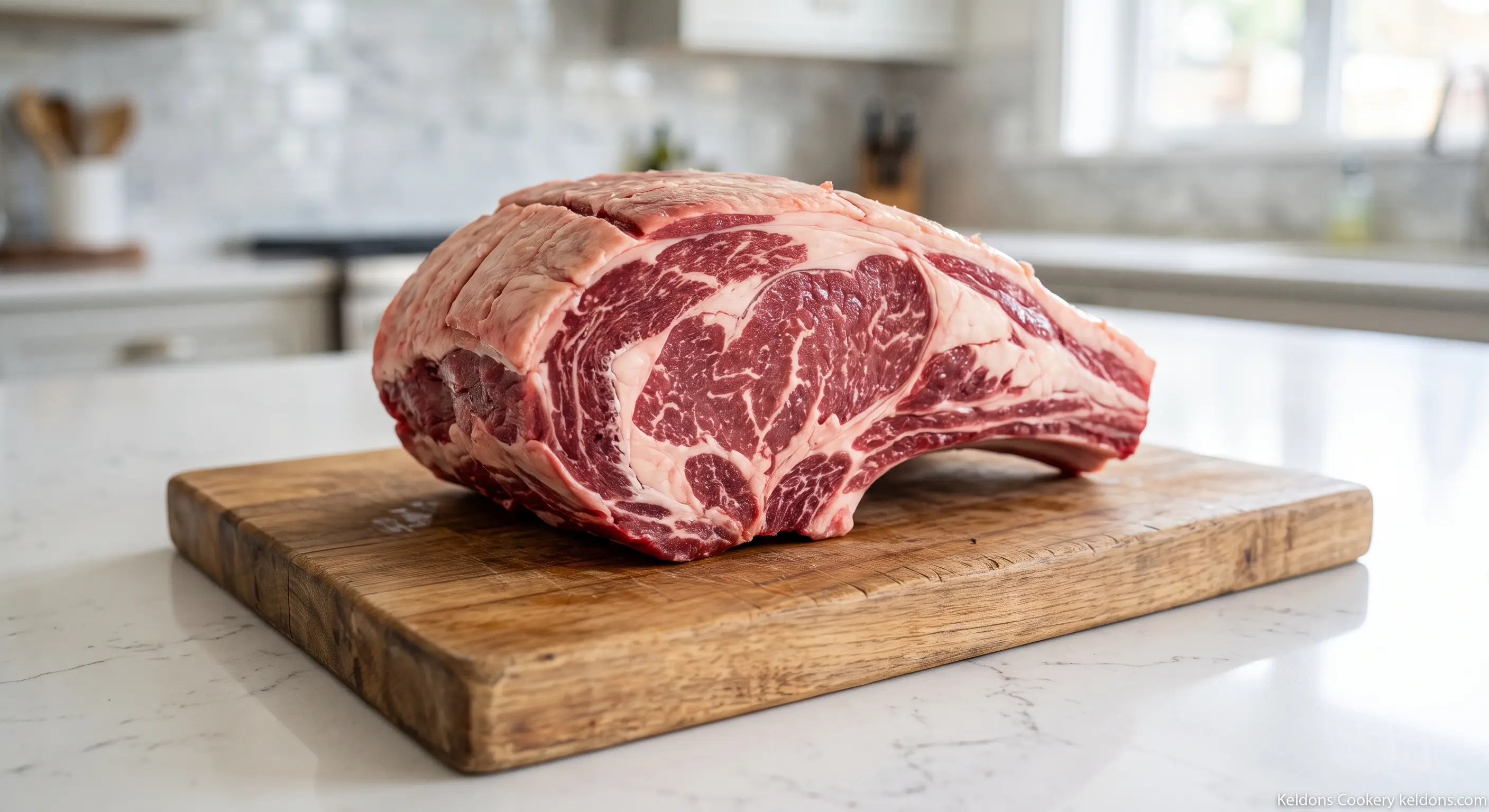
Lamb Shoulder
Nutritional Values
Kitchen Cheat Codes
- Low and Slow Collagen Melt: Cook lamb shoulder past standard steak temperatures up to 195°F or 205°F so tough connective tissue dissolves completely into rich, buttery gelatin instead of staying chewy.
- High-Heat Crust First: Brown the seasoned roast uncovered in a hot 450°F oven or heavy skillet for thirty minutes before covering with liquid, locking in deep savory crust flavor early on.
- Score the Fat Cap: Slice shallow diamond crosshatches through the outer fat layer without cutting into the meat so excess grease renders out evenly and marinades penetrate deep into every fiber.
Close Cousins & Stand-Ins
- Lamb Shanks: Cut from the lower leg, lamb shanks share the exact same heavy collagen content and rich flavor profile, braising into fall-apart tenderness on a similar multi-hour schedule.
- Bone-In Leg of Lamb: Leaner and slightly milder than shoulder, leg of lamb works well in slow-roast recipes if you baste regularly and keep the pan covered so the meat never dries out.
- Pork Boston Butt: When lamb is unavailable or over budget, marbled pork shoulder mimics the exact fat-to-collagen ratio and shredding texture for spiced tacos, ragus, and slow braises.
Advertisement
Flavor Pairings That Pop
- Garlic and Rosemary: Pungent smashed garlic cloves and woody rosemary needles cut right through rich lamb fat, infusing the rendering pan drippings with classic aromatic Mediterranean warmth.
- Warm North African Spices: Toasted cumin, ground coriander, cinnamon, and smoked paprika complement the sweet earthiness of slow-cooked shoulder, building complex crusts for pulled flatbread wraps.
- Bright Acidic Finishes: A final squeeze of fresh lemon juice, pomegranate molasses, or tangy mint yogurt wakes up heavy braised meat right before serving so every bite feels balanced and lively.
Rookie Mistakes to Avoid
- Pulling at Medium-Rare: Treating lamb shoulder like a quick rack of lamb leaves the connective tissue rubbery and tough; commit to long cooking times until a fork twists effortlessly inside.
- Skipping the Rest Period: Shredding or carving hot lamb shoulder straight from the oven lets precious melted gelatin run onto the board; tent loosely with foil for twenty minutes before serving.
- Trimming Every Bit of Fat: Stripping the outer fat cap completely robs the roast of natural basting moisture; leave a thin quarter-inch layer intact to keep the meat juicy during long braises.
Advertisement
Savvy Savings
- Choose Bone-In Over Rolled: Bone-in blade or arm shoulder roasts cost significantly less per pound than boneless netted cuts while adding extra marrow richness and natural structure to your pan jus.
- Cube Your Own Stew Meat: Buying a whole bone-in shoulder and trimming it into cubes at home saves money over pre-cut stew packs and gives you free soup bones for homemade stock.
- Stretch Leftovers Across Meals: One large roasted shoulder easily feeds a crowd twice; fold shredded leftovers into warm pita pockets, shepherd's pie, or rich tomato pasta sauce the following night.
Advertisement
No Baa-d Bites Here
Lamb shoulder proves that patience in the kitchen pays off in pure, fork-tender comfort. While leaner cuts demand careful thermometer watching, this marbled powerhouse rewards a lazy afternoon in a low oven with meat so soft you can carve it with a spoon. Rub it with bold herbs, let the collagen work its slow magic, and get ready for pan juices worth sopping up with crusty bread.Advertisement
Quick Picks
Advertisement
Advertisement
Handy Tip
A good rule of thumb for freezing spaghetti is to slightly undercook it before freezing. This helps maintain a better texture when reheated. Making sure each noodle is well-coated with olive oil or spaghetti sauce can also prevent clumping and freezer burn.
Featured Offering
Salami And Cheese Croissants
Recipe of: Italy

Filed Under: Pork
Prep Method: Oven
Made with: 6 Ingredients
Advertisement
Keldons Cookery © 1998 - 2026 All rights Reserved | Secured with SSL
Homemade Goodness. Cook what you eat. Love what you cook!