Groundhog
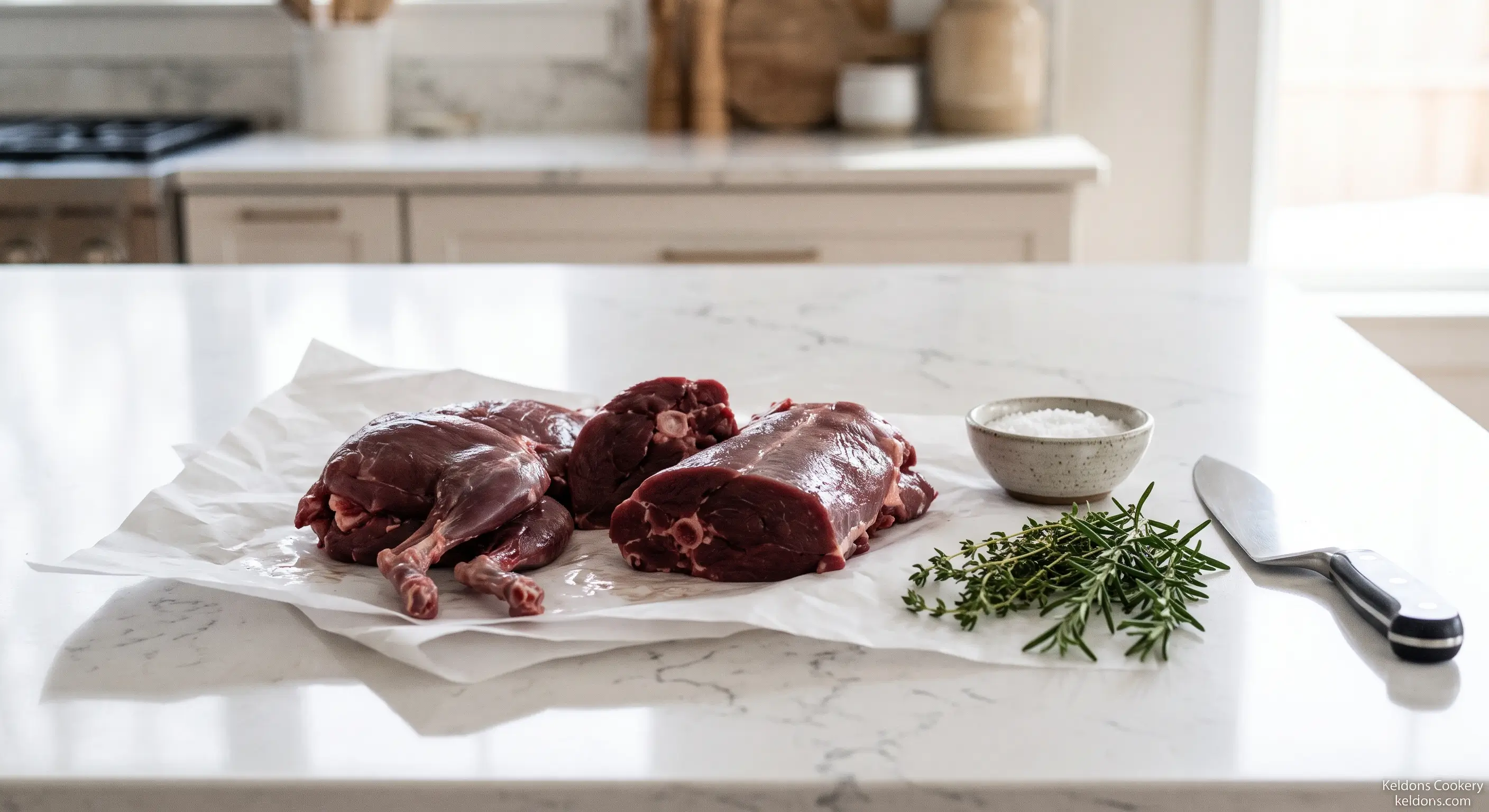
Nutritional Values
Wild Meadow Flavor Profile
- Clean Herbivore Taste: Because groundhogs feast on clover, grasses, and wild berries, their lean meat delivers a mild, earthy, and slightly sweet flavor that never tastes overly gamey when cooked properly.
- Dark Meat Texture: The dense muscle fibers closely resemble farm-raised rabbit or dark poultry legs, holding together beautifully during long braises without turning dry, tough, or stringy in the pot.
- Seasonal Fat Shifts: Spring and early summer animals stay much leaner and more tender, while autumn harvests carry thicker fat layers that require careful trimming before searing or slow-braising.
Essential Field & Prep Steps
- Remove Scent Glands: Always locate and carefully cut out the small waxy scent glands tucked underneath both front armpits and along the inner thighs before cooking to prevent bitter off-flavors.
- Trim Heavy Fat: Strip away all thick yellow or white fat deposits around the back and flanks, because wild rodent fat can impart an earthy, musky taste to broths, gravies, and pan drippings.
- Brine for Tenderness: Soak cleaned pieces overnight in a chilled saltwater or buttermilk solution to gently mellow the dense muscle fibers and draw out any remaining blood before you start cooking.
Advertisement
Best Ways to Cook Groundhog
- Low and Slow Braising: Brown floured cuts in heavy Dutch ovens with onions, garlic, and rich stock, then simmer covered for two full hours until the meat falls effortlessly off the bone with a fork.
- Classic Cast-Iron Fry: Young, tender groundhog cuts dredged in seasoned flour and pan-fried in hot lard or oil develop a crispy golden crust with a juicy, savory interior in just a few short minutes.
- Hearty Campfire Stews: Cubed shoulder and hindquarter chunks blend seamlessly with diced potatoes, carrots, celery stalks, and aromatic bay leaves in rustic country stews and flaky baked pot pies.
Smart Kitchen Pairings
- Aromatic Root Veggies: Sweet carrots, earthy parsnips, yellow onions, and roasted garlic balance the rich, dark-meat profile without ever overpowering the clean natural flavor of the wild game.
- Bright Acidic Accents: A splash of apple cider vinegar, dry white wine, or crushed tomatoes cuts right through the density of braised cuts and brightens every single spoonful of pan gravy.
- Woodsy Garden Herbs: Fresh thyme, crushed rosemary, garden sage, and cracked black pepper complement the grassy, foraged notes inherent to the meat for a classic country-kitchen aroma and finish.
Advertisement
Food Safety & Storage Basics
- Safe Internal Heat: Always use a reliable digital meat thermometer to ensure thick cuts reach a minimum internal temperature of 165°F (74°C) to destroy any wild parasites or harmful bacteria.
- Chilled Fridge Window: Store freshly butchered, tightly wrapped cuts in the coldest part of your refrigerator and cook them within one to two days for peak cleanliness, freshness, and tender texture.
- Long-Term Freezing: Vacuum-seal or tightly double-wrap raw portions in freezer paper to block out freezer burn, preserving optimal moisture and clean flavor for up to six months in cold storage.
Advertisement
No Shadow of a Doubt
Whether Punxsutawney Phil sees his shadow or not, properly prepped groundhog guarantees six more weeks of hearty, stick-to-your-ribs comfort food. Treat it with a good overnight brine, trim away the excess fat, and let your slow cooker or Dutch oven do the heavy lifting. You will be rewarded with tender, savory dark meat that holds its own against any classic Sunday roast—no weather forecast required.Advertisement
Quick Picks
Advertisement
Advertisement
Handy Tip
Peel eggs effortlessly with this simple hack: start by adding eggs to boiling water. Once cooked, immediately transfer them to an ice bath. This process not only allows for easy peeling but also yields perfectly cooked eggs, saving time and frustration.
Featured Offering
Fava Bean Puree With Greens
Recipe of: Italy

Filed Under: Vegetable
Prep Method: Stove Top
Made with: 8 Ingredients
Advertisement
Keldons Cookery © 1998 - 2026 All rights Reserved | Secured with SSL
Homemade Goodness. Cook what you eat. Love what you cook!