Lime Juice
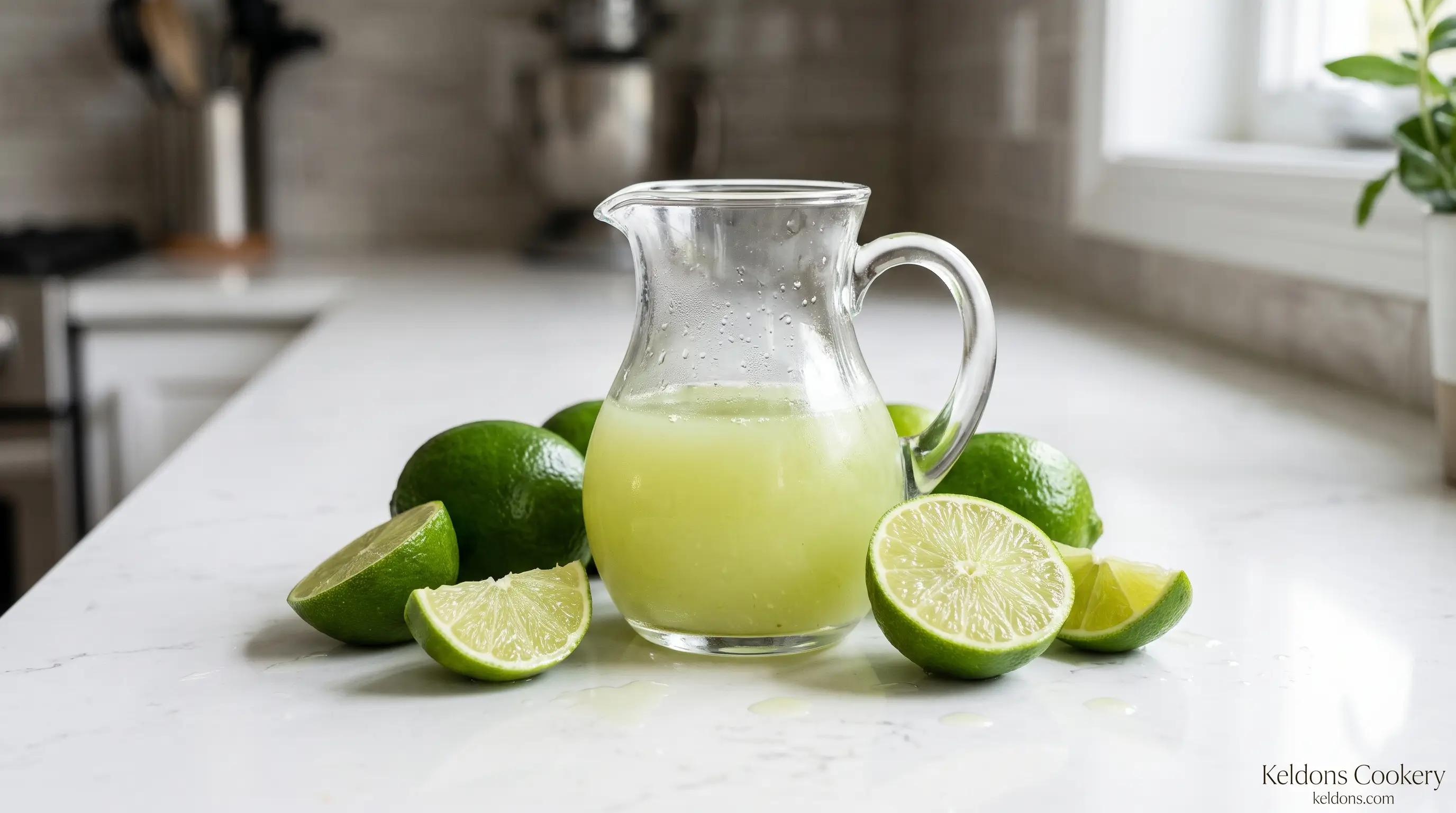
Nutritional Values
Close Cousins & Stand-Ins
- Fresh Lemon Juice: Delivers an identical acidic punch with slightly sweeter notes, making an easy 1:1 swap across citrus marinades, ceviches, and shaken bar cocktails.
- Apple Cider Vinegar: Offers sharp fermented fruit tang that mimics citrus acid when dressing crisp salads or balancing rich, fatty pork dishes in place of freshly squeezed limes.
- White Wine Vinegar: Steps in smoothly with clean, assertive acidity that cuts through heavy pan sauces and preserves bright flavors without altering delicate savory seasonings.
Pro-Move Prep
- Firm Counter Roll: Press whole limes firmly against the counter before slicing to rupture internal juice vesicles and yield nearly double the liquid volume from every squeeze.
- Microwave Burst: Warm stubborn, cold citrus in the microwave for ten seconds to soften tough interior membranes and coax out stubborn juice without straining your hands.
- Zest Before Squeeze: Grate the green fragrant peel onto cutting boards before cutting the fruit so precious flavorful citrus oils never end up wasted in the kitchen trash bin.
Advertisement
Keep It Alive
- Glass Chill: Store freshly pressed citrus liquid inside a sealed airtight glass bottle in the coldest spot of your refrigerator to lock in pure flavor for three full days.
- Freezer Cubes: Freeze measured tablespoon portions into silicone ice trays and transfer to freezer bags for instant bright acidity in sauces and drinks for up to six months.
Rookie Mistakes to Avoid
- Boiling The Acid: Never cook fresh citrus over aggressive boiling burner heat, as high prolonged temperatures destroy delicate floral aromatics and turn bright notes bitter.
- Bottled Concentrate: Avoid shelf-stable green plastic squeeze bottles packed with sulfites and chemical preservatives that taste muddy and dull compared to real citrus.
Advertisement
The Good Stuff
- Vitamin C Power: Supplies potent antioxidant protection that helps shield active immune systems, combats cellular oxidative stress, and naturally supports collagen renewal.
- Mineral Absorption: Provides organic plant acids that assist your digestive tract in absorbing non-heme iron from leafy spinach, legumes, and hearty grains effortlessly.
Advertisement
Sublime In Every Squeeze
Never let a dish fall flat when a tiny splash of lime juice can instantly save dinner. This zesty powerhouse balances rich gravies, cuts clean through oily marinades, and rescues tired cocktails in a single second. Keep a bowl of fresh fruit ready on your counter so you can brighten up every meal effortlessly. When life gives you limes, squeeze hard and savor every single drop of that vibrant punch,Advertisement
Advertisement
Advertisement
Handy Tip
When measuring sticky oils like sesame oil, coat the measuring spoon with a neutral oil first to help the sticky oil slide off easily. This simple trick prevents waste and mess by making sure of a more accurate measure and clean release from the spoon.
Featured Offering
Dandelion Weed Control
Recipe of: International

Filed Under: Make Your Own
Prep Method: Mix
Made with: 4 Ingredients
Advertisement
Keldons Cookery © 1998 - 2026 All rights Reserved | Secured with SSL
Homemade Goodness. Cook what you eat. Love what you cook!