Rolled Oats
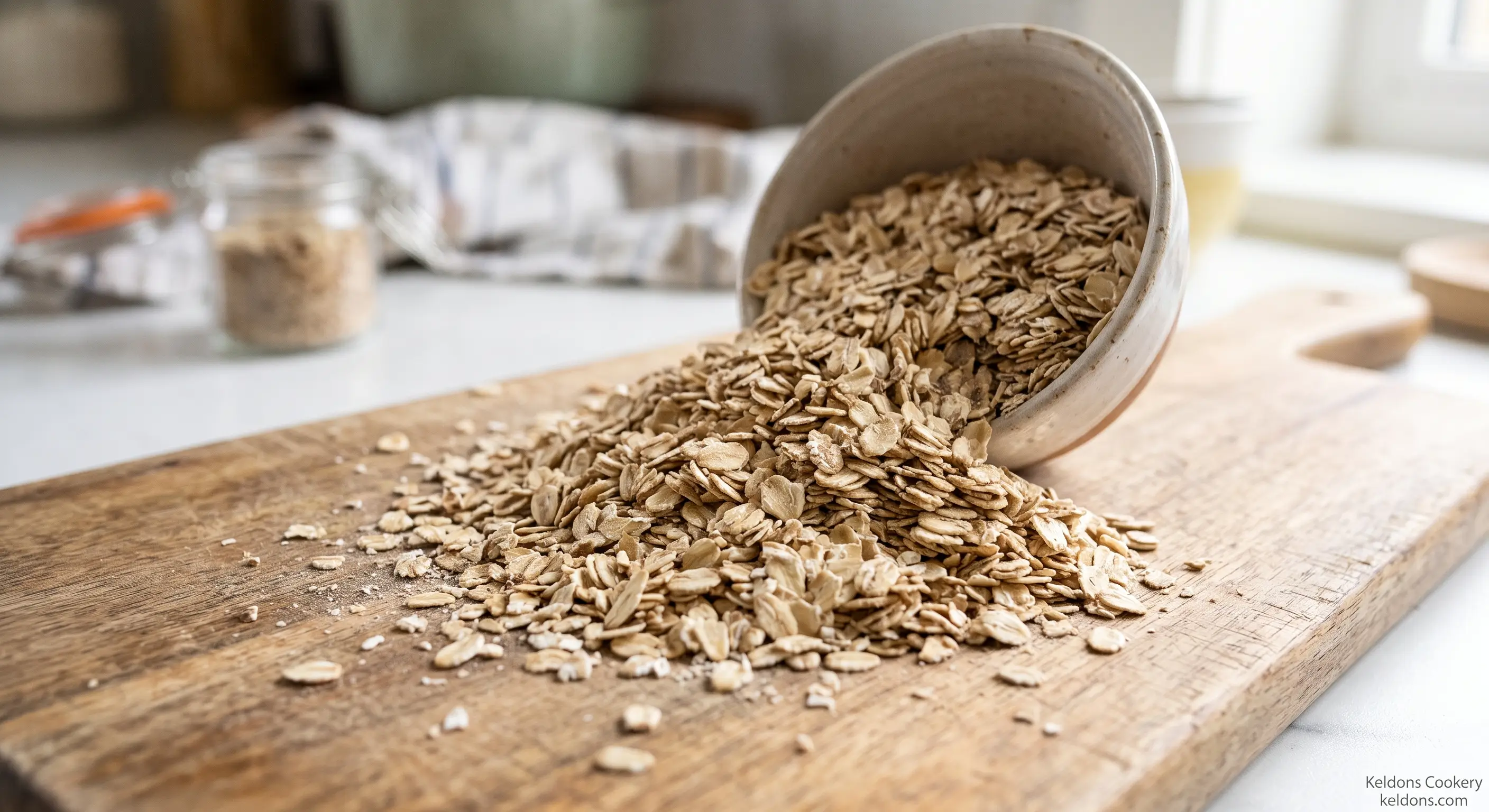
Nutritional Values
Close Cousins & Stand-Ins
- Quick-Cooking Oats: Steamed and cut thinner into smaller pieces to absorb simmering liquid rapidly; swap at a flat one-to-one volume ratio for a slightly softer finished texture in baked cookies.
- Rolled Rye Flakes: Deliver comparable flattened texture with an earthy, deeper grain aroma; trade evenly in warm morning porridge bowls, crusty artisan bread loaves, and hearty multigrain mixes.
- Quinoa Grain Flakes: Pressed whole seed flakes provide gentle nutty notes and pleasant chewy body; substitute directly by cup volume across gluten-free fruit crisps, skillet bars, and breakfast treats.
Pro-Move Prep
- Dry Skillet Toast: Warm raw dry flakes in an ungreased stainless skillet over medium flame for five minutes until lightly golden to awaken rich nutty aromas before stirring into wet cooking liquids.
- Overnight Soaking: Combine whole flakes with milk or clean water inside a covered glass jar to rest in the fridge until morning, breaking starch down for effortless cold breakfast puddings.
- Quick Flour Grind: Pulse dry grain flakes inside a standard kitchen blender for sixty seconds to produce inexpensive, fine whole oat flour ideal for thickening savory gravies and waffle batters.
Advertisement
Staying Alive: Shelf & Stash
- Airtight Pantry Bin: Transfer opened paper bags into a clean, sealed food-grade container stashed in a cool, dark cabinet corner to shield delicate natural grain oils from heat for twelve full months.
- Deep Freezer Vault: Seal extra bulk bags inside heavy plastic zip bags to store in the freezer for 2 years, halting grain moisture and keeping stale pantry flavors from developing completely.
Rookie Mistakes to Avoid
- Violent Stirring: Whisking boiling cereal vigorously over the flame breaks delicate grain borders down into pasty wallpaper glue, eliminating the pleasant chewy flake bite every home cook desires.
- Skipping Salt Pinch: Cooking grains in plain unsalted tap water produces flat, lifeless porridge; stir in a tiny pinch of salt at the beginning to draw out natural whole grain sweetness effortlessly.
Advertisement
The Good Stuff
- Beta-Glucan Fiber: Loaded with abundant soluble dietary fibers that form a gentle, soothing gel within your digestive system, supporting balanced cholesterol levels and steady morning energy.
- Complex Carbohydrates: Digest slowly through the bloodstream to prevent sharp sugar spikes, providing hardworking muscles and active brains with sustained, even fuel throughout busy workdays.
Advertisement
On a Serious Roll
Keeping a generous stash of whole grain flakes in your pantry makes weekday mornings ridiculously simple to conquer. Whether you simmer them into warm comfort food or blend them into quick DIY whole grain flour, these humble flakes never let you down. Do not settle for sad, gummy instant packets when the real deal cooks in just minutes on your stove. Grab your favorite wooden spoon, get those flakes rolling, and start treating your breakfast bowl to the honest fuel it genuinely deserves.Advertisement
Quick Picks
Advertisement
Advertisement
Handy Tip
A good rule of thumb for freezing spaghetti is to slightly undercook it before freezing. This helps maintain a better texture when reheated. Making sure each noodle is well-coated with olive oil or spaghetti sauce can also prevent clumping and freezer burn.
Featured Offering
Roasted Stuffed Pigeons With Bacon
Recipe of: German

Filed Under: Wild Game
Prep Method: Oven
Base: Pigeon
Made with: 14 Ingredients
Advertisement
Keldons Cookery © 1998 - 2026 All rights Reserved | Secured with SSL
Homemade Goodness. Cook what you eat. Love what you cook!