Lemon Verbena
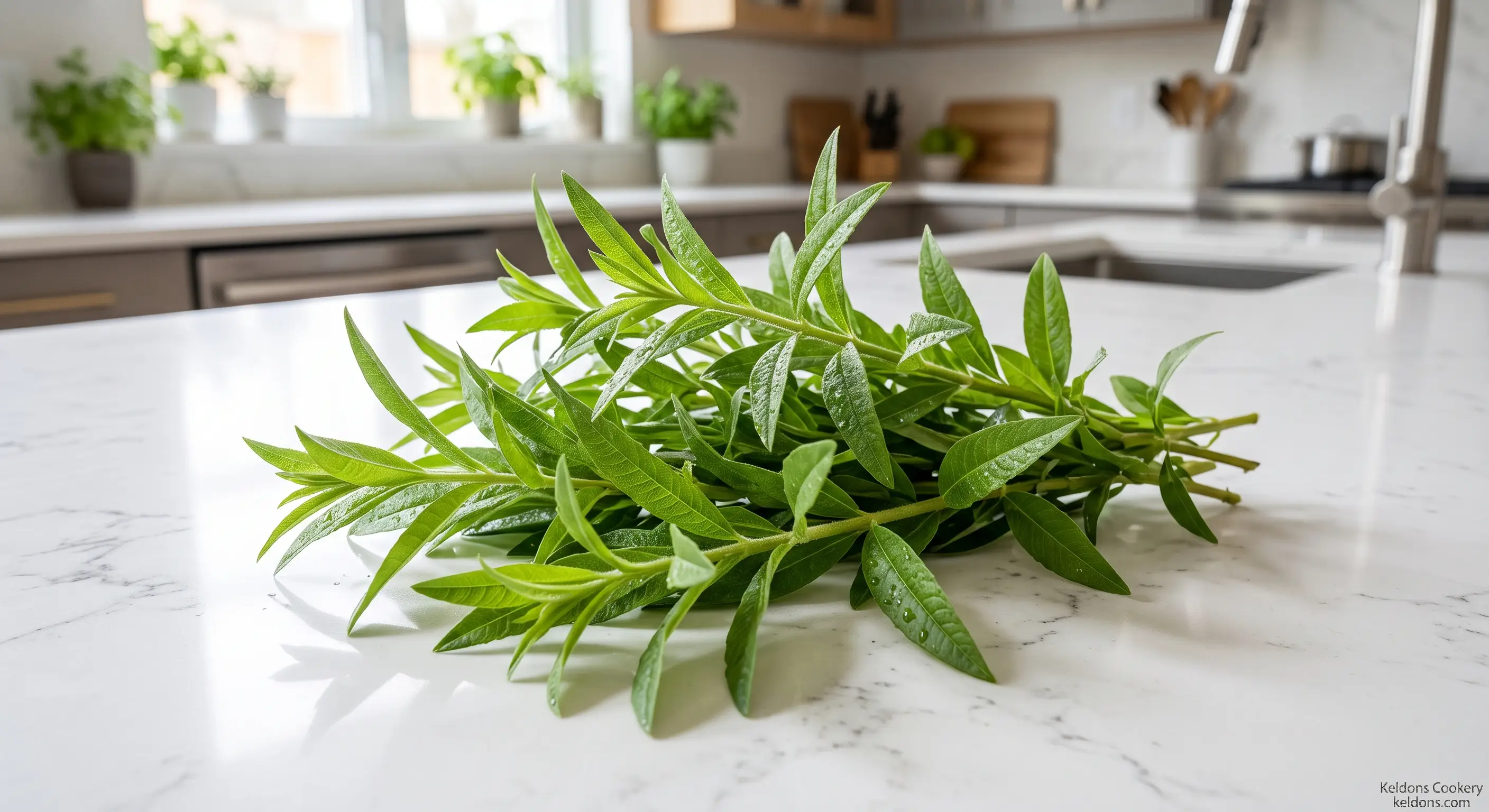
Nutritional Values
Pro-Move Prep
- Gentle Palm Slap: Clap whole fresh lemon verbena leaves lightly between your palms right before steeping in hot water or warm cream to rupture essential oil glands without turning the herb bitter.
- Remove Tough Woody Stems: Strip the slender leaves cleanly off mature woody branches before chopping or infusing because older stems taste fibrous and can impart a slightly resinous, astringent edge.
- Finely Mince for Baking: Roll stacked leaves into a tight cigar shape and slice into paper-thin ribbons before folding into shortbread dough or cake batter so you never bite into a tough, leathery leaf.
Close Cousins & Stand-Ins
- Fresh Lemon Balm: Swap in fresh lemon balm leaves at a two-to-one ratio when brewing herbal teas or fruit salads, knowing lemon balm has a softer, slightly mintier citrus profile.
- Bruised Lemongrass Stalks: Use smashed inner stalks of fresh lemongrass in poached pears, syrups, or Thai-inspired broths to capture bright, clean citrus perfume without sour lemon juice.
- Fresh Meyer Lemon Zest: Grate a teaspoon of fresh Meyer lemon peel into warm custards or sugar syrups when you need pure floral lemon oils and lack fresh garden herbs on hand.
Advertisement
Keeping It Alive
- Damp Paper Towel Roll: Wrap unwashed fresh sprigs loosely inside a barely damp paper towel and tuck them inside a zip-top bag in the crisper drawer to stay crisp for up to one full week.
- Air-Dry for Winter Tea: Hang small bundles of stems upside down in a warm, dark, breezy spot for two weeks until brittle, then strip the dried leaves into airtight glass jars for year-round steeping.
- Freeze in Simple Syrup: Simmer fresh leaves in equal parts sugar and water, strain, and freeze the bright citrus syrup in ice cube trays for instant summer cocktails and iced teas.
Flavor Pairings That Pop
- Stone Fruit & Berries: Toss finely minced lemon verbena with sliced summer peaches, strawberries, and a pinch of sugar to amplify natural fruit sweetness with a clean floral lift.
- Pan-Seared Fish & Scallops: Baste mild white fish fillets or sea scallops with melted butter steeped with a few whole leaves for delicate, restaurant-grade citrus aroma without curdling dairy.
- Vanilla Ice Cream & Panna Cotta: Steep a generous handful of crushed leaves in warm heavy cream for twenty minutes before straining to create silky, ultra-fragrant chilled desserts.
Advertisement
Savvy Savings
- Grow One Patio Pot: Buy one inexpensive nursery starter plant in spring because lemon verbena grows fast in sunny pots and yields endless fresh harvests all summer for pennies.
- Re-Steep Whole Leaves: Get two full pots of soothing herbal tea from a single batch of high-oil whole leaves by pouring fresh hot water over them a second time within an hour.
- Make DIY Verbena Sugar: Bury fresh dried leaves inside a jar of plain white granulated sugar for two weeks to create gourmet lemon-scented baking sugar for almost zero extra cost.
Advertisement
Pure Lemon Perfume Without the Pucker
Lemon verbena is the ultimate magic trick for home cooks who adore bright citrus aroma but do not want sour lemon juice curdling their cream sauce or overpowering delicate fruit. One gentle slap between your palms wakes up enough pure lemon-candy fragrance to perfume an entire pot of tea, a batch of shortbread, or a bowl of summer berries. Keep your leaves crisp, dry the extras for winter, and enjoy sunshine in every steep.Advertisement
Advertisement
Advertisement
Handy Tip
Don't let your coffee beans lose their aroma. Keep them fresh by storing them in an airtight container. This blocks moisture and air, which can degrade the beans and diminish their rich flavor. With this hack, every cup of coffee you brew will taste freshly roasted.
Featured Offering
Applesauce Brownies
Recipe of: Canada

Filed Under: Fruit
Prep Method: Oven
Made with: 12 Ingredients
Advertisement
Keldons Cookery © 1998 - 2026 All rights Reserved | Secured with SSL
Homemade Goodness. Cook what you eat. Love what you cook!