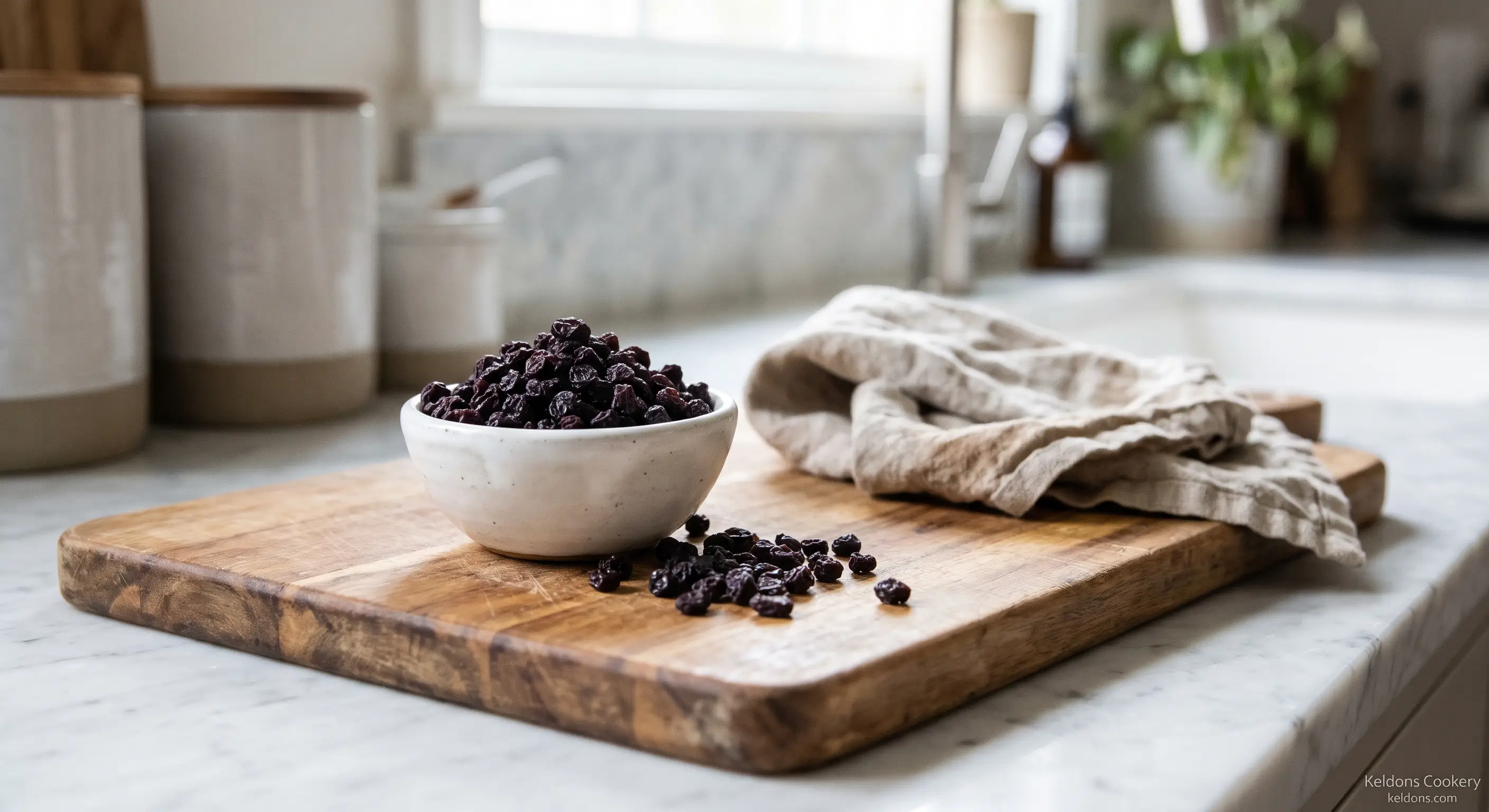
Currants
Nutritional Values
Zante Currants Versus True Bush Currants
- Dried Black Corinth Grapes: The tiny, wrinkly dark fruits sold in baking aisles are actually miniature seedless raisins dried from ancient Black Corinth grapes, offering deep sweetness with a bright, tangy finish.
- Fresh Ribes Bush Berries: True red, black, and white currants grow on thorny garden shrubs in cool climates, delivering sharp, tart berry flavor ideal for European jams, jellies, syrups, and summer tarts.
- Why the Names Overlap: Early English merchants shortened the French phrase raisins de Corinthe into currants, which caused the dried Greek grapes and native tart bush berries to share the exact same name.
Best Sweet and Savory Culinary Uses
- Classic Baked Goods and Scones: Fold dried currants into British scones, Welsh cakes, hot cross buns, and Irish soda bread so every slice gets balanced pockets of tangy sweetness without bulky fruit chunks.
- Savory Grain Pilafs and Stuffings: Toss a handful into warm couscous, wild rice, or toasted farro alongside toasted pine nuts and fresh herbs to create a bright sweet-savory contrast against rich roasted meats.
- Tangy Sauces and Pan Reductions: Simmer currants with red wine, balsamic vinegar, shallots, and beef or duck stock to build a glossy, jewel-toned pan sauce that cuts cleanly through rich, fatty dishes.
Advertisement
How to Plump Dried Currants Before Baking
- Warm Water or Tea Soak: Steep dried currants in hot water or brewed black tea for ten minutes, then drain and pat dry so they stay plump and juicy instead of stealing moisture from your batter.
- Spirits and Juice Infusion: Soak them in warm orange juice, apple cider, dark rum, or brandy before folding into holiday fruitcakes and puddings for deeper aroma and tender, bite-sized bursts of flavor.
- Flour Dusting Trick: Toss drained or dry currants with one teaspoon of your recipe flour before mixing into cake batter so the tiny fruits stay suspended evenly rather than sinking to the pan bottom.
Smart Pantry Substitutions When Out
- Chopped Raisins or Sultanas: Roughly chop standard dark or golden raisins to match the tiny size of currants, then swap them at an equal one-to-one ratio for similar sweetness with a slightly milder tang.
- Finely Diced Dried Cranberries: Mince sweetened or unsweetened dried cranberries into small bits when you want that signature sharp, tart-sweet spark in scones, grain salads, or holiday stuffing recipes.
- Chopped Dried Cherries or Barberries: Use tart Iranian barberries whole for savory rice dishes, or finely dice dried tart cherries to mimic the bright, ruby-toned acidity that makes Zante currants stand out.
Advertisement
Storage Tips to Prevent Drying Out
- Airtight Jar or Resealable Bag: Transfer opened packages into a tight-sealing glass jar or press all air out of a zipper bag so the tiny fruits remain soft and chewy instead of turning into hard pellets.
- Cool Pantry or Fridge Shelf: Keep sealed currants in a dark, cool pantry for up to six months, or tuck them into the refrigerator for a full year to prevent natural fruit sugars from crystallizing.
- Reviving Dry or Sugary Fruit: If stored currants feel stiff or show harmless white sugar crystals on the skin, soak them in warm water for five minutes to restore their soft, plump texture immediately.
Advertisement
Stay Ahead of Current Baking Trends
Currants may be tiny, but they bring big, sweet-tart energy to everything from Sunday morning scones to weeknight grain bowls. Because they disperse evenly into every bite without overwhelming your batter, a single bag in your pantry unlocks both classic European pastries and vibrant savory dishes. Keep them sealed tight against dry air, give them a quick warm soak before baking, and watch these mighty little fruits steal the spotlight.Advertisement
Quick Picks
Advertisement
Advertisement
Handy Tip
Make your own ginger juice easily by using a garlic press. Just take a 1 x 2 inch piece of ginger root, squeeze it with the press, and quickly get about 1 tablespoon of fresh ginger juice. This hack is a quick way to add a burst of flavor to your drinks and dishes with minimal effort.
Featured Offering
Slow Steeped Achiote Cooking Oil
Recipe of: Colombia

Filed Under: Make Your Own
Prep Method: Stove Top
Made with: 2 Ingredients
Advertisement
Keldons Cookery © 1998 - 2026 All rights Reserved | Secured with SSL
Homemade Goodness. Cook what you eat. Love what you cook!