Bear Meat
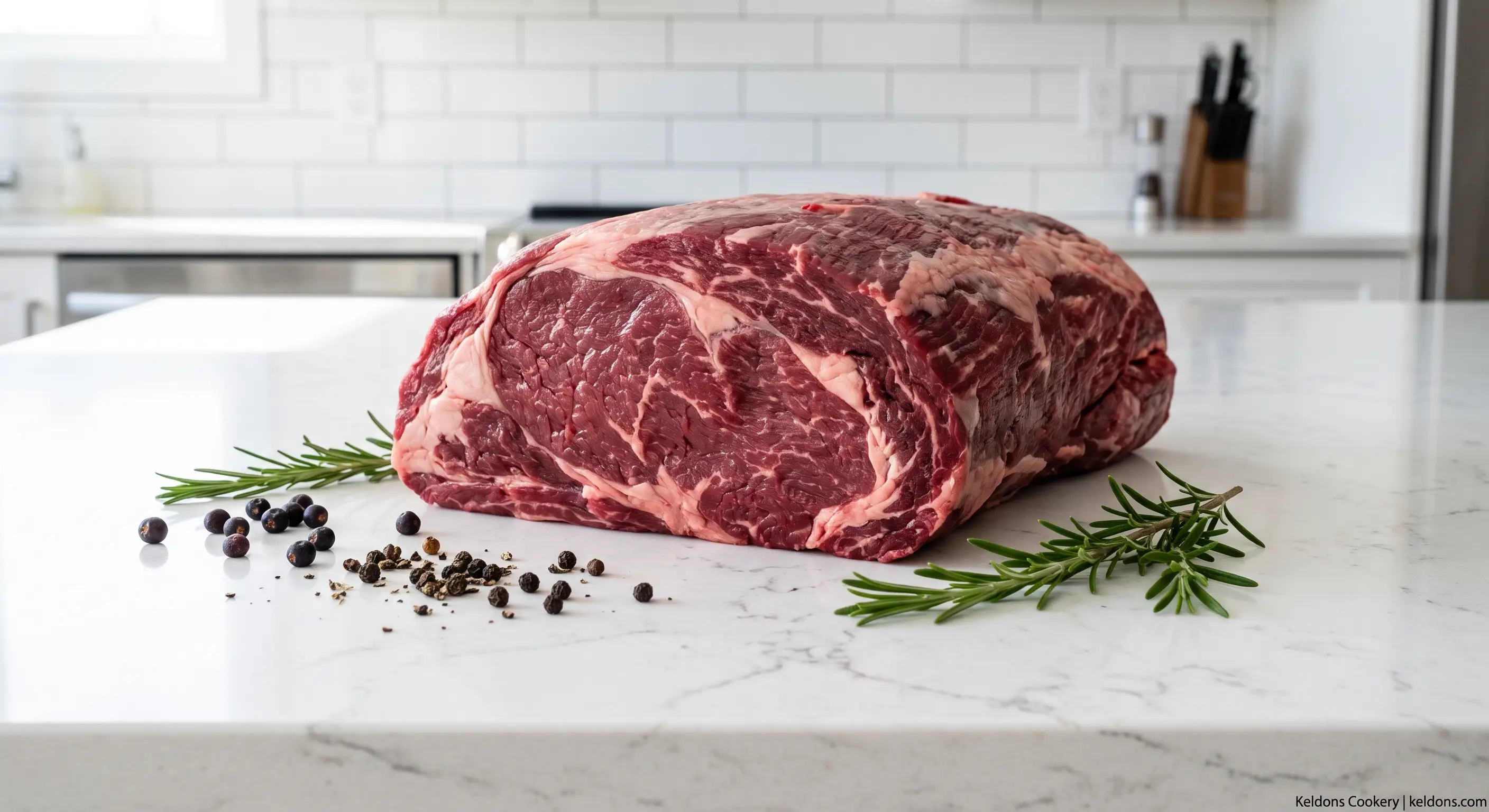
Nutritional Values
In a Pinch Substitutions:
- Grass-Fed Beef Chuck: Offers rich muscular grain and deep savory iron notes that effortlessly mimic wild bear meat inside hearty winter braises.
- Wild Venison Shoulder: Supplies that lean woodland depth and deep ruby red color for rustic stews, though it benefits from extra bacon fat in the pot.
- Braised Wild Boar: Delivers dense porky richness and robust earthy sweetness that stands up to slow red wine simmers and warm whole juniper berries.
Flavor Pairings That Pop
- Tart Berry Reduction: Simmer pan juices with wild blueberries, tart lingonberries, or blackberries to slice cleanly through dense, rich game fat.
- Crushed Juniper Berries: Crack whole dried juniper into hot braising liquid to release pine resin aromatics that complement woodland game flavors.
- Sweet Root Vegetables: Tumble parsnips, carrots, and sweet onions around the roast to soak up savory pan drippings while caramelizing to sweet perfection.
Advertisement
Staying Alive: Shelf & Stash
- Heavy Vacuum Seal: Double-seal butcher cuts in thick commercial vacuum pouches to eliminate air pockets and prevent freezer burn for 2 whole years.
- Bottom Shelf Thaw: Defrost frozen roasts on a rimmed sheet pan in the coldest back corner of your refrigerator to keep raw juices safely chilled.
Worth the Splurge?
- Autumn Harvest Value: Sourcing autumn-harvested berry-fed cuts is well worth the hunt, as spring diets yield oily fishy fat that ruins delicate braises.
- Rendered Baking Lard: Rendering clean white backfat into silky pastry lard rewards adventurous bakers with the flakiest homemade pie crusts imaginable.
Advertisement
Health Benefits
- High-Density Protein: Delivers complete amino acids and muscle-fueling energy with zero carbohydrates to keep energy steady on cold winter days.
- Bioavailable Heme Iron: Supplies potent natural iron, zinc, and B vitamins that help combat fatigue and support healthy cellular circulation.
Advertisement
A Wild Cut You Simply Cannot Bear To Miss
Never let old frontier campfire tales intimidate you into passing up this magnificent woodland roast. When slow-cooked with red wine, fragrant juniper, and a handful of wild berries, it turns humble cold-weather pots into royal rustic banquets that leave everyday supermarket cuts in the dust. Trim away the wild fat, check your meat thermometer, and let the Dutch oven work its slow magic. Grab a cut, stoke your stove, and give your dinner plate a wild adventure.Advertisement
Advertisement
Advertisement
Handy Tip
Elevate your grilling game by adding a smoky hickory flavor to your barbecue. Before you start grilling, soak a handful of hickory chips in water for about an hour. Then, sprinkle them onto your barbecue coals. Infuse your meats and veggies with a rich, smoky flavor.
Featured Offering
Authentic Scottish Haggis
Recipe of: Scotland

Filed Under: Offal
Prep Method: Stove Top
Made with: 11 Ingredients
Advertisement
Keldons Cookery © 1998 - 2026 All rights Reserved | Secured with SSL
Homemade Goodness. Cook what you eat. Love what you cook!