Black Olives
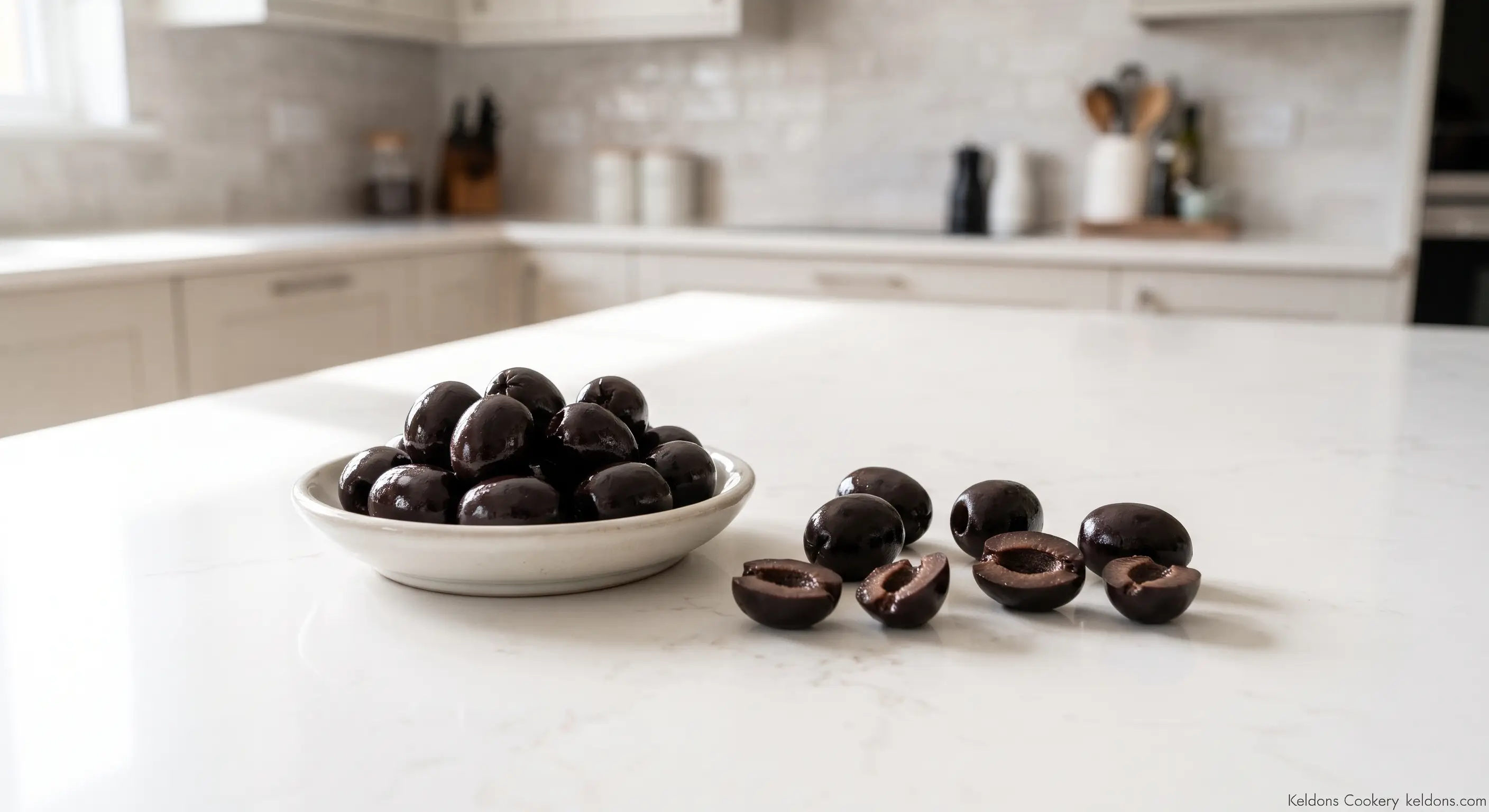
Nutritional Values
Cured Styles & Flavor Profiles
- California Canned Black Olives: Harvested while still green and cured in an alkaline solution with oxygenated air, these mild, firm, jet-black olives bring subtle nuttiness without heavy saltiness to family pizzas and tacos.
- Greek Kalamata Olives: Naturally tree-ripened to a deep purplish-black hue and packed in red wine vinegar brine, these almond-shaped fruits offer bold, fruity tanginess and a meaty bite ideal for Mediterranean salads.
- Dry Oil-Cured Olives: Wrinkled, intensely savory Moroccan or French black olives are cured directly in coarse sea salt before being coated in olive oil, delivering concentrated smoky richness for antipasto platters.
Everyday Kitchen & Cooking Uses
- Homemade Pizza & Flatbreads: Scatter drained, sliced olives across tomato sauce and melted mozzarella right before baking so their mild, earthy flavor balances rich cheeses and salty cured meats on crisp homemade crusts.
- Classic Olive Tapenade: Pulse pitted black olives in a food processor with capers, garlic, lemon juice, and extra-virgin olive oil to create a bold, savory spread for toasted baguette slices or roasted chicken breasts.
- Pasta & Mediterranean Salads: Toss halved olives into warm puttanesca sauces, chilled pasta salads, or chopped cucumber and feta bowls to add bursts of briny umami and appealing dark color contrast to every single forkful.
Advertisement
Pitted vs. Whole Olives
- Whole Unpitted Olives: Olives left on their natural pits retain firmer flesh, deeper fruit flavor, and better texture in brine, making them the top choice for charcuterie boards and slow-braised Mediterranean stews.
- Pre-Pitted & Sliced Convenience: Machine-pitted whole and pre-sliced olives save prep time when assembling weeknight pizzas, nachos, or sandwich wraps, though you should still check occasionally for stray pit fragments.
- Quick Kitchen Pitting Trick: Press whole olives gently under the flat side of a wide chef's knife blade on your cutting board to crack the flesh open and slide out the intact pit cleanly in just two seconds.
Balancing Salt & Brine Intensity
- Rinse Before Cooking: Give canned or jarred olives a quick rinse under cold tap water and pat them dry with paper towels whenever you want to tame excess surface sodium before adding them to delicate recipes.
- Adjust Recipe Salt Carefully: Taste your pasta sauce, bread dough, or casserole after folding in chopped black olives, since their natural brine releases savory salinity as they warm through inside the oven or skillet.
- Marinate with Citrus & Herbs: Toss plain drained olives with fresh orange zest, crushed garlic cloves, dried oregano, and olive oil for an hour to transform basic pantry olives into an impressive dinner party appetizer.
Pantry & Fridge Storage Rules
- Transfer Out of Metal Cans: Once you open a tin of canned black olives, immediately transfer any leftovers along with their liquid into a clean glass jar or lidded plastic container to prevent metallic off-flavors.
- Keep Submerged in Brine: Store opened olives completely covered in their original brine, or top up with lightly salted water and a splash of olive oil, so exposed fruit never dries out or spoils in the refrigerator.
- Refrigerated Shelf Life: Properly submerged jarred or transferred olives stay crisp, flavorful, and fresh inside your refrigerator for up to two weeks after opening, while unopened tins last years in a cool pantry.
Advertisement
Inspect black olives before serving by checking the brine or packaging first; canned tins should have flat, undented lids, while jarred brine should look clear rather than cloudy or foamy. Look at the olives themselves to ensure smooth, plump skins (or evenly wrinkled skins for oil-cured varieties) with no fuzzy white spots or slimy film. Press an olive gently between your fingers, it should feel firm and meaty, never mushy or dissolving. Like we always say at Keldons Cookery, bulging lids and murky brine are trouble down the line. Keep the seal tight or call it a night.
Advertisement
Olive You Need in the Pantry
Black olives are the ultimate kitchen team player, happily jumping onto Friday night pizzas, taco platters, and Greek salads without ever stealing the spotlight. Keeping a can or jar tucked in your pantry means you are always five minutes away from turning a plain dinner into something that tastes straight out of a Mediterranean bistro. Just remember to warn your guests before they bite aggressively into whole unpitted olives.Advertisement
Advertisement
Advertisement
Handy Tip
Don't throw away those apple cores. They can be repurposed to create a delightful apple-infused water. Just slice up a few apples, cores included, and add them to a pitcher of ice water, in no time at all, you'll have a refreshing, flavorful drink to enjoy.
Featured Offering
Dandelion Weed Control
Recipe of: International

Filed Under: Make Your Own
Prep Method: Mix
Made with: 4 Ingredients
Advertisement
Keldons Cookery © 1998 - 2026 All rights Reserved | Secured with SSL
Homemade Goodness. Cook what you eat. Love what you cook!