Woodchuck
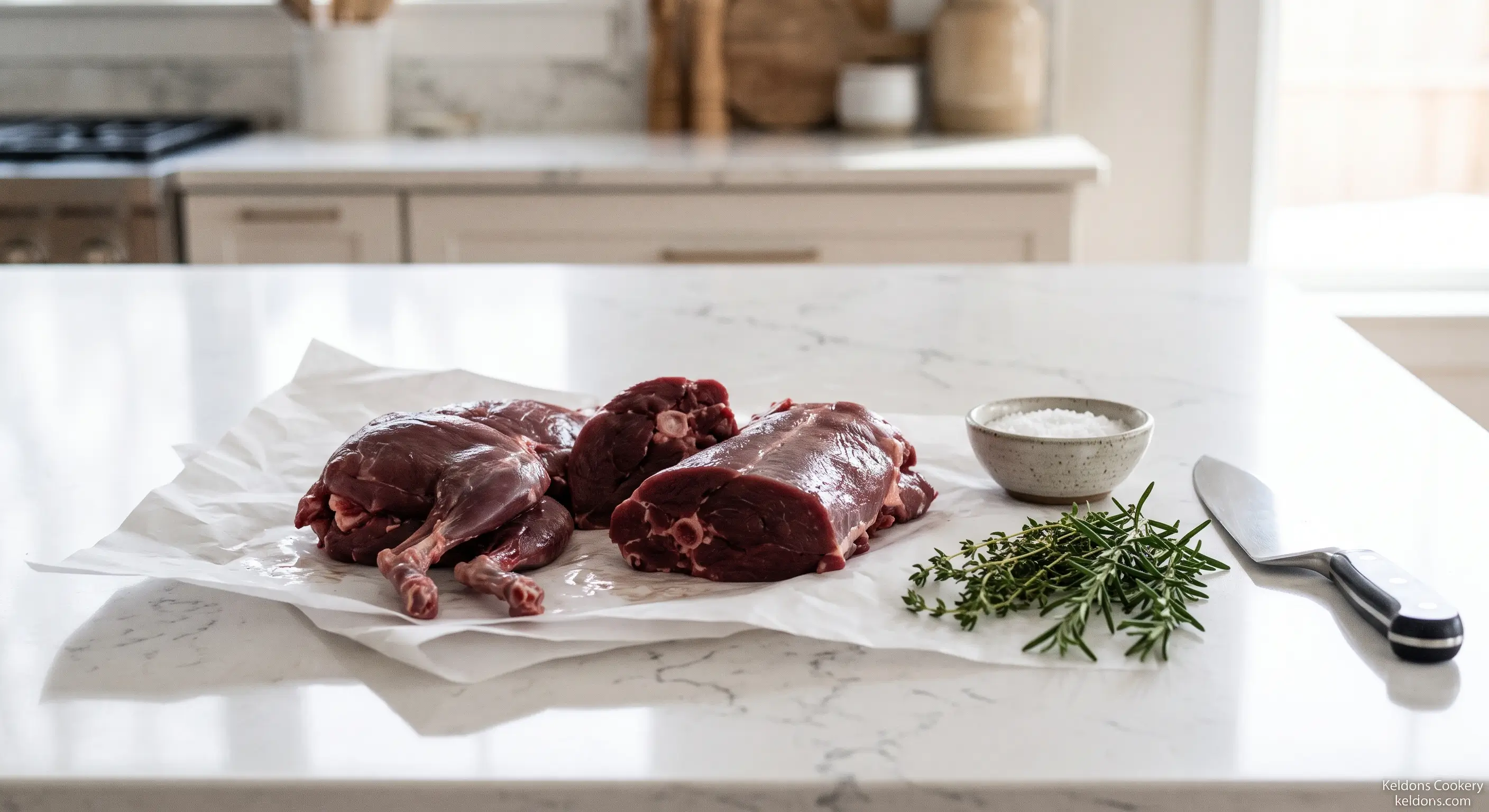
Nutritional Values
Foraged Pasture Taste & Texture
- Mild Grass-Fed Flavor: Because woodchucks graze steadily on meadow clover, wild greens, and fallen orchard fruit, their lean dark meat offers a clean, subtly sweet taste with very little gamey musk.
- Tender Rabbit-Like Grain: The fine, dense muscle fibers closely mirror domestic rabbit or dark poultry thighs, staying juicy and cohesive through long, gentle simmers without drying out in the pot.
- Harvest Timing Matters: Young spring and summer woodchucks provide the most tender, leanest cuts, whereas late-fall harvests carry heavy winter fat reserves that require thorough knife trimming.
Crucial Butchering & Brining Habits
- Extract Musk Glands: Carefully locate and slice out the small, pale, waxy scent glands hidden beneath both front legs and inside the upper thighs before cooking to prevent bitter off-flavors.
- Shave Off Excess Fat: Trim away all thick yellow or white fat pads along the spine and belly, since wild rodent fat holds concentrated earthy compounds that can overwhelm delicate pan gravies.
- Overnight Salt Soak: Submerge dressed quarters overnight in cold salted water or tangy buttermilk to draw out lingering blood, relax tight muscle fibers, and guarantee a cleaner finished bite.
Advertisement
Foolproof Heat & Cooking Methods
- Dutch Oven Braising: Sear seasoned, flour-dusted pieces in hot oil, then simmer low and covered with broth and aromatics for two hours until tender meat pulls cleanly away from the bone.
- Crispy Skillet Frying: Dredge young, tender saddle and leg cuts in spiced flour and pan-fry in hot lard or neutral oil for a golden, crunchy crust surrounding juicy, savory wild game meat.
- Slow-Cooked Country Stew: Simmer cubed shoulder and hindquarter meat alongside rustic potatoes, carrots, pearl onions, and bay leaves for a comforting, stick-to-your-ribs cold-weather supper.
Balanced Flavor Companions
- Earthy Garden Roots: Caramelized yellow onions, sweet carrots, parsnips, and whole garlic cloves round out the savory depth of dark woodchuck meat without masking its delicate natural sweetness.
- Pantry Acid Boosters: A splash of apple cider vinegar, dry white wine, or crushed tomatoes cuts cleanly through rich braising liquids and lifts the overall brightness of your finished sauce.
- Classic Forest Herbs: Fresh thyme sprigs, rosemary needles, rubbed sage, and coarsely cracked black pepper highlight the clean, pasture-raised character of the meat in every comforting bite.
Advertisement
Safe Handling & Cold Storage
- Cook to Safe Temp: Always verify with an instant-read thermometer that thick cuts reach an internal temperature of 165°F (74°C) to neutralize any wild parasites or foodborne bacteria.
- Short Fridge Window: Keep freshly dressed, tightly wrapped cuts on the lowest shelf of your refrigerator and cook them within forty-eight hours for peak cleanliness and fresh texture.
- Deep Freezer Care: Vacuum-seal or double-wrap raw cuts tightly in butcher paper to block air exposure, maintaining juicy texture and clean flavor for up to six months in the freezer.
Advertisement
How Much Wood Would a Woodchuck Cook?
How much wood would a woodchuck cook if a woodchuck could cook wood? Thankfully, you do not need a single cord of lumber, just a heavy Dutch oven, a good overnight brine, and a little patience. Once trimmed of excess fat and simmered low and slow with garden roots and herbs, this humble pasture forager turns into tender, savory comfort food worthy of any Sunday supper table.Advertisement
Quick Picks
Advertisement
Advertisement
Handy Tip
If your honey has crystallized or is too thick, place the honey container in a bowl of warm water for a few minutes to loosen it up without losing its natural properties. This gentle method returns honey to its smooth texture, making it easy to pour or spread and enjoy.
Featured Offering
Moussaka Eggplant Lasagna
Recipe of: Greek

Filed Under: Vegetable
Prep Method: Oven
Made with: 22 Ingredients
Advertisement
Keldons Cookery © 1998 - 2026 All rights Reserved | Secured with SSL
Homemade Goodness. Cook what you eat. Love what you cook!