Scallops
Nutritional Values
Pro-Move Prep
- Tear Off the Tough Side Muscle: Pinch and pull off the small, rectangular fibrous tag attached to the side of each scallop before cooking because that tough hinge muscle turns rubbery and chewy in the pan.
- Bone-Dry Paper Towel Press: Sandwich raw scallops between layers of dry paper towels for ten minutes and salt right before searing so surface moisture never steams and ruins your golden brown crust.
- Don't Touch the Pan: Lay scallops clockwise in screaming-hot oil and leave them completely undisturbed for ninety seconds until a crisp amber crust forms and releases cleanly on its own.
Worth the Splurge?
- Dry-Packed Over Wet-Packed: Always pay extra for dry-packed scallops rather than wet-packed ones soaked in sodium tripolyphosphate, which leak milky water in the pan and shrink to half their size.
- U-10 Diver Sea Scallops: Splurge on large U-10 or U-12 sea scallops when searing as a main course because their thick height lets you build a dark caramelized crust while keeping the center creamy.
- Frozen Bay Scallops for Pasta: Save money by buying frozen bay scallops for creamy garlic pastas, seafood chowders, or quick stir-fries where delicate bite-sized sweetness matters more than a hard sear.
Advertisement
Keeping It Alive
- Colander Over Crushed Ice: Place fresh scallops in a single layer inside a small bowl or colander nestled over ice in the coldest refrigerator spot, cooking them within twenty-four to forty-eight hours.
- Overnight Fridge Thaw Only: Thaw frozen scallops slowly overnight in the refrigerator on a paper-towel-lined plate rather than under warm tap water, which turns delicate muscle fibers mushy and waterlogged.
- Never Refreeze Thawed Catch: Cook thawed scallops immediately and never refreeze raw leftovers, as repeated ice crystal formation ruptures tender cells and leaves them chalky and dry.
Close Cousins & Stand-Ins
- King Oyster Mushroom Stems: Slice thick king oyster mushroom stalks into round coins, score the flat tops in a diamond pattern, and pan-sear in butter for a remarkably meaty plant-based scallop twin.
- Large Peeled Wild Shrimp: Swap in jumbo peeled shrimp at an equal one-to-one weight ratio in garlic butter pastas, skewers, or quick skillet sautés for that same sweet, snappy ocean richness.
- Monkfish Medallions: Cut boneless monkfish tail fillets into thick round medallions when roasting or pan-searing, as monkfish shares scallops' firm, sweet, lobster-like texture.
Advertisement
Fuel Factor
- High-Protein, Ultra-Lean Fuel: Delivers over ten grams of complete, fast-digesting marine protein per three-ounce serving with less than half a gram of fat and under sixty calories.
- Heart & Brain Minerals: Supplies rich doses of vitamin B12, magnesium, potassium, and selenium to support steady energy production, nerve health, and healthy blood pressure.
- Low-Mercury Shellfish Choice: Filter-feeding scallops sit very low on the ocean food chain, making them one of the cleanest, lowest-mercury seafood options for regular family dinners.
Advertisement
Shell Yeah, Dinner in Three Minutes
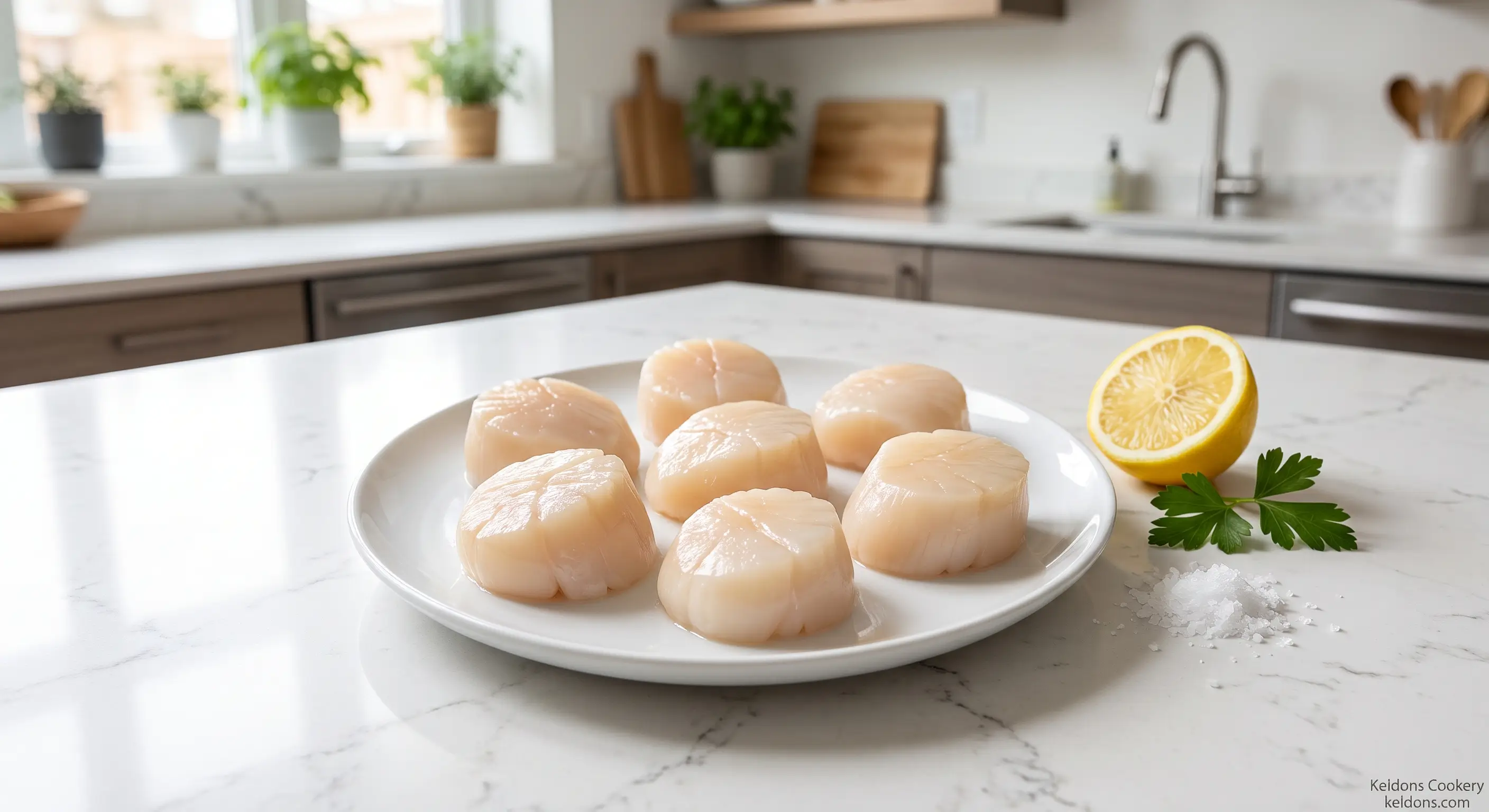
Scallops look like five-star white-tablecloth luxury, yet they are secretly the fastest weeknight protein in your kitchen. Skip the chemical-soaked wet tubs, tear off that tough little side muscle, pat them bone-dry, and give them ninety seconds per side in a hot skillet. You get a crunchy, buttery golden crust on the outside, a melt-in-your-mouth sweet center inside, and dinner on the table faster than delivery.Advertisement
Advertisement
Advertisement
Handy Tip
Don't throw your pickle juice away. It's great for making salad dressings, marinating meat, or even as a quirky addition to cocktails. This flavorful liquid can add a tangy twist to your dishes and drinks, providing both flavor and health benefits.
Featured Offering
Beef Fajitas
Recipe of: Mexico

Filed Under: Beef
Prep Method: Stove Top
Made with: 14 Ingredients
Advertisement
Keldons Cookery © 1998 - 2026 All rights Reserved | Secured with SSL
Homemade Goodness. Cook what you eat. Love what you cook!