Dried Apricots
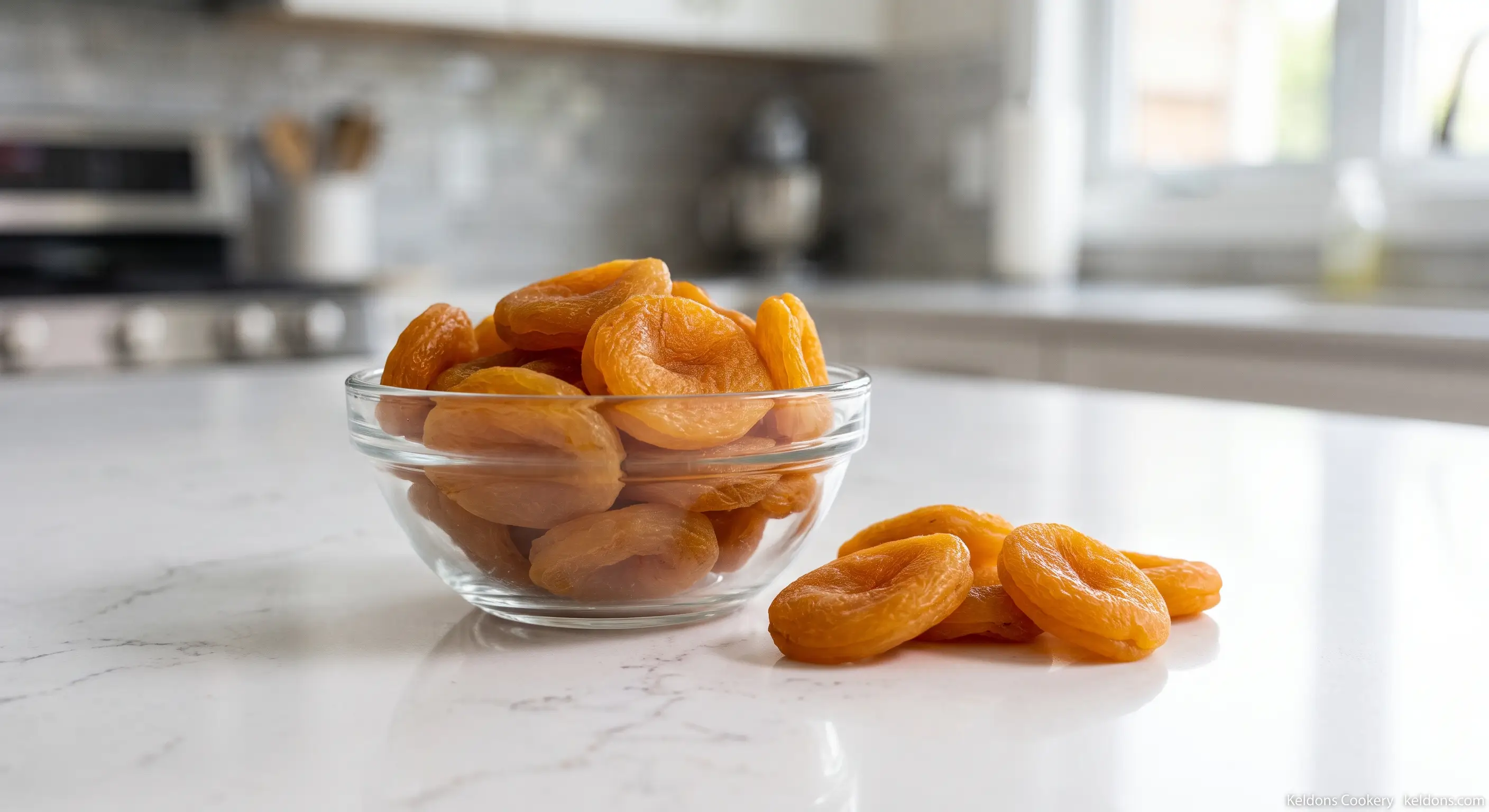
Nutritional Values
Chewy Tart-Sweet Flavor Notes
- Concentrated Honeyed Tang: Dehydration removes water while locking in natural fruit sugars and bright malic acid, producing a rich, jammy sweetness balanced by a lively, mouthwatering tart finish.
- Plump Tender Bite: Quality dried apricots offer a dense, pleasantly chewy texture that holds its distinct crescent shape during slow simmering without dissolving into mush inside stews or sauces.
Sulfured vs. Unsulfured Varieties
- Bright Orange Sulfured: Treated with sulfur dioxide before drying to lock in vivid tangerine color and extra moisture, yielding softer, plumper fruit with a slightly sharper, tangy citrus-like edge.
- Deep Brown Unsulfured: Dried naturally without preservatives, these turn a rich mahogany-brown color and deliver a deeper, caramel-like sweetness with a slightly firmer, denser chew for snacking.
Advertisement
Smart Kitchen Applications
- Savory Stews & Tagines: Simmer whole or halved dried apricots into Moroccan lamb or chicken tagines, pork tenderloin glazes, and spiced rice pilafs where their tart sweetness cuts through rich savory fats.
- Baking & Breakfast Bowls: Dice finely and fold into oat scones, biscotti, granola bars, or warm morning oatmeal, or arrange whole halves alongside sharp aged cheddar, brie, and roasted almonds on cheese boards.
Rehydrating & Knife Prep Tricks
- Quick Warm Soak: Plump overly firm dried apricots by soaking them in warm water, orange juice, Earl Grey tea, or brandy for fifteen minutes before draining and folding into cake batters or stuffings.
- Stick-Free Slicing: Prevent sticky fruit gum-up on your chef's knife by lightly misting the blade with neutral cooking oil or dusting the apricots with a pinch of flour before dicing for baked goods.
Advertisement
Pantry Storage & Shelf Life
- Airtight Cool Storage: Seal opened dried apricots inside an airtight glass jar or heavy zip-top bag tucked into a cool, dark pantry cupboard so they stay soft and supple for up to six months.
- Fridge & Freezer Extension: Extend shelf life up to a full year in the refrigerator or freezer without freezing solid, keeping extra moisture locked inside so the fruit never turns tough or leathery.
Advertisement
A-Peel-ing Goodness All Year Round
Dried apricots prove that good things really do come in small, wrinkly packages, packing peak summer orchard sunshine into every chewy bite long after fresh stone fruit season ends. Whether simmered into a cozy Sunday tagine or tucked into your afternoon trail mix, they bring effortless tart-sweet magic to both sweet and savory plates. Keep a bag sealed tight in your pantry, and dinner will always have a bright golden backup plan.Advertisement
Advertisement
Advertisement
Handy Tip
Speed up the browning of your tomatoes on the grill by sprinkling them with a pinch of sugar before grilling. This small trick not only helps them brown faster but also enhances their natural sweetness, giving you beautifully caramelized tomatoes in no time.
Featured Offering
Lemon Beebrush Ice Cream
Recipe of: Canada

Filed Under: Dairy
Prep Method: Ice Cream Maker
Made with: 9 Ingredients
Advertisement
Keldons Cookery © 1998 - 2026 All rights Reserved | Secured with SSL
Homemade Goodness. Cook what you eat. Love what you cook!