Wild Rice
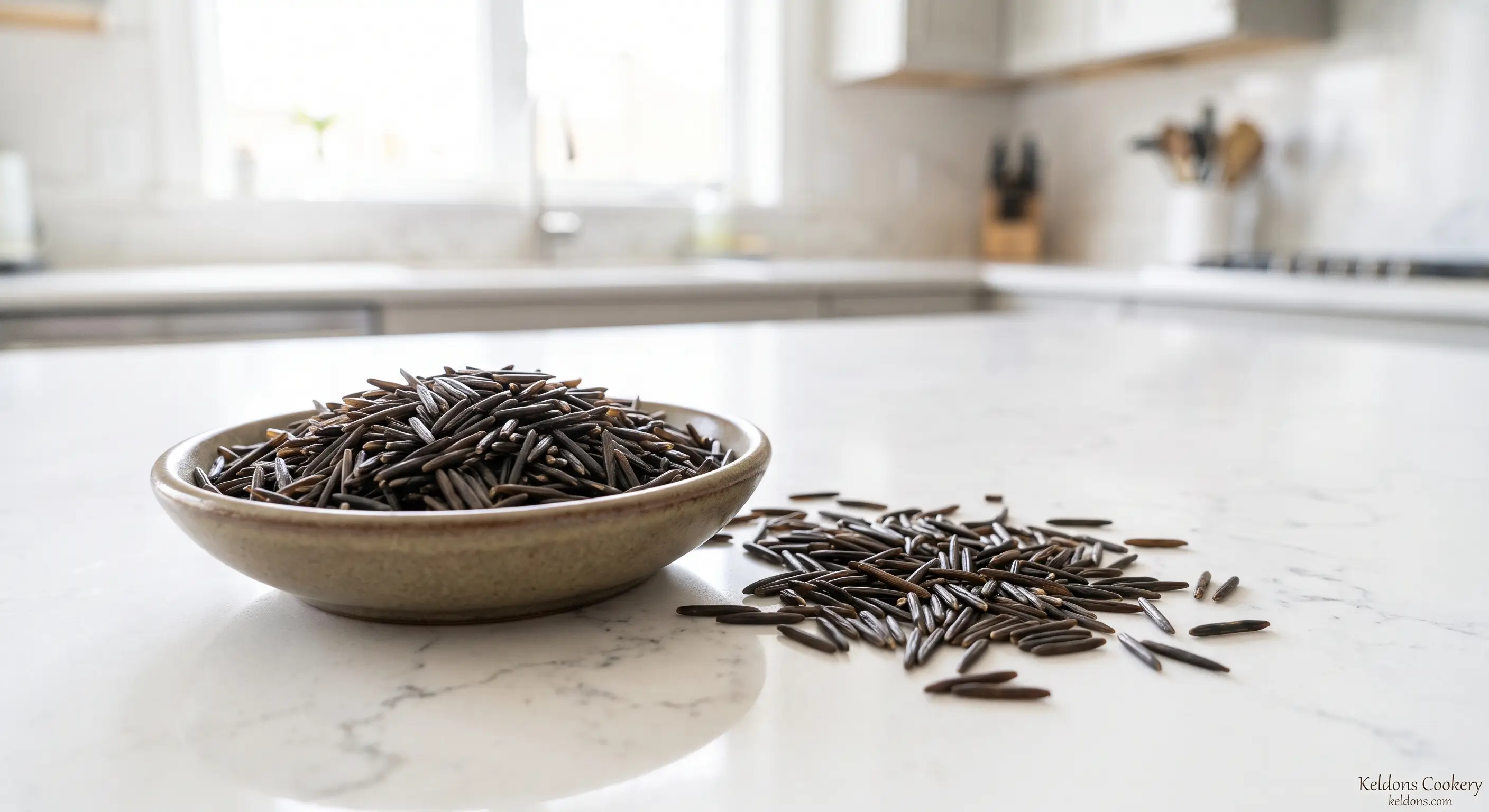
Nutritional Values
Pro-Move Prep
- Rinse Thoroughly First Swirl the dry grains under cold running water in a fine mesh strainer until the water runs completely clear, removing any dusty chaff or lingering lakebed sediment before boiling.
- Generous Water Ratio Simmer one cup of raw grains in at least four cups of water or broth like pasta, then drain off the excess liquid once the kernels split open and turn tender without getting mushy.
- Soak to Cut Time Cover the raw grains with warm water for two hours before cooking to soften the tough outer hull, which trims your active stovetop simmering time down by nearly fifteen minutes.
Flavor Pairings That Pop
- Earthy Woodland Mushrooms Sautéed cremini, chanterelle, or shiitake mushrooms echo the deep, woodsy aroma of the dark hulls, creating a rich savory base for vegetarian pilafs or roasted poultry side dishes.
- Tart Dried Fruits Sweet-tart dried cranberries, chopped apricots, or golden raisins brighten up the heavy, nutty flavor of the cooked grains and add a welcome pop of color to holiday dinner platters.
- Toasted Nuts and Herbs Crunchy toasted pecans, sliced almonds, fresh sage, and woody rosemary bring warm aromatic oils that balance the firm chew of the grain in cold salads or warm autumn stuffings.
Advertisement
In a Pinch Substitutions
- Long-Grain Brown Rice Swap in equal parts long-grain brown rice for a similar nutty flavor and hearty chew, though the color will be much lighter and the cooking liquid ratio will drop to two-to-one.
- Wehani or Black Rice Use heirloom red or forbidden black rice to match the dramatic dark visual appeal and firm texture on the plate, keeping in mind that black rice will tint surrounding ingredients purple.
- Hulled Barley or Farro Substitute pearled farro or hulled barley in hearty winter soups and stews when you need a plump, chewy ancient grain that holds its shape well during long simmering sessions.
Pantry Immortality
- Airtight Glass Jars Transfer uncooked grains into a tightly sealed glass jar stored in a cool, dark cupboard away from stove heat, where dried wild rice stays fresh and flavorful for several years.
- Fridge Leftover Window Cool cooked grains completely before sealing them in a shallow container in the refrigerator, using them up within four to five days in quick skillet hashes, soups, or grain salads.
- Freezer Batch Storage Portion cooked and drained rice into flat freezer bags with the air pressed out, freezing for up to six months so you can toss tender grains straight into hot broths anytime.
Advertisement
Savvy Savings
- Stretch With White Rice Blend one part cooked wild rice with two parts standard white or brown rice to cut your ingredient cost in half while still giving the entire pot that signature nutty crunch and look.
- Buy Cultivated For Everyday Choose dark cultivated paddy wild rice for routine weekday soups and casseroles, saving pricier hand-harvested lake rice for special holiday dishes where its delicate flavor shines.
- Shop Bulk Pantry Bins Scoop exact amounts from grocery bulk bins rather than buying small boxed blends, which often pad the package with cheap white rice and salty seasoning packets at a steep markup.
Advertisement
Born to Be Wild Rice
Do not let the name fool you into expecting a tame little side dish that hides under your gravy. This grass seed brings big crunch, woodsy swagger, and serious staying power to any soup pot or dinner plate. Whether you buy lake-harvested heirloom grains or everyday cultivated bags, a proper simmer turns these dark needles into curled, nutty ribbons that make ordinary white rice look like it forgot to get dressed for dinner.Advertisement
Advertisement
Advertisement
Handy Tip
Speed up your potato baking process with a simple kitchen hack: soak them in salt water for 20 minutes prior to baking. This not only speeds up cooking time but also enhances flavor, giving you perfectly seasoned, fluffy potatoes faster.
Featured Offering
Sweet And Sour Cucumber Salad
Recipe of: Thailand

Filed Under: Vegetable
Prep Method: Mix
Made with: 8 Ingredients
Advertisement