Canned Corn
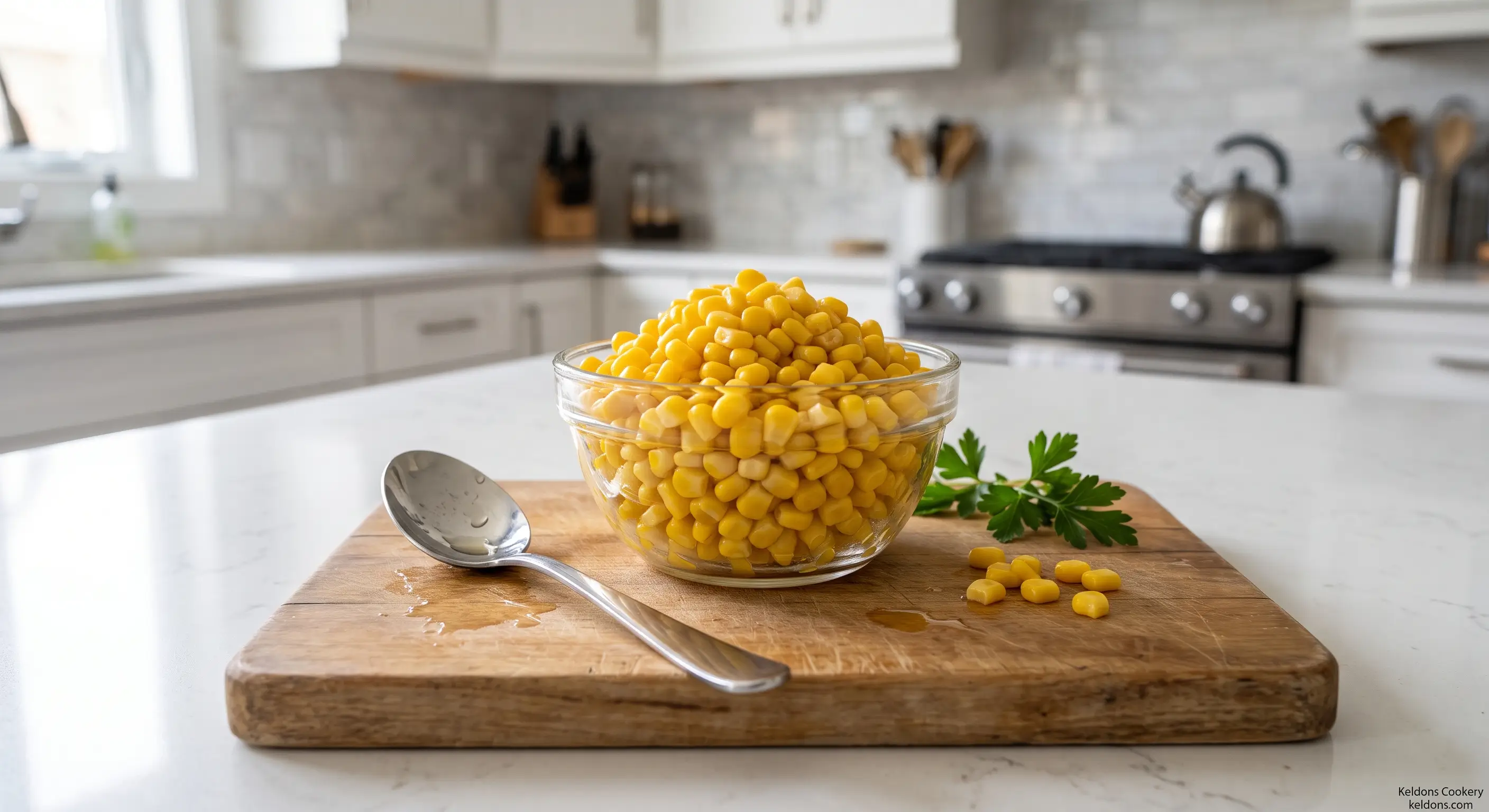
Nutritional Values
Pantry Varieties on the Canned Aisle
- Whole Kernel Corn: Packed in water or lightly salted brine, standard whole golden kernels keep a snappy, plump bite that holds up cleanly in salads, salsas, and skillet sautés.
- Fire-Roasted Canned Corn: Charred over open flames before canning, these smoky kernels add instant backyard barbecue depth to black bean chili, tortilla soup, and street-corn dips.
- Cream-Style Sweet Corn: Blending whole kernels with scraped milky corn pulp creates a thick, sweet base ideal for cornbread batters, quick chowders, and classic baked corn pudding.
Simple Prep Steps Before Cooking
- Drain and Rinse Well: Tip whole kernel corn into a fine-mesh strainer and rinse briefly under cool water to wash away excess canning brine and any subtle metallic tin flavor.
- Pat Dry for Browning: Blot rinsed kernels thoroughly with a clean kitchen towel before adding them to a hot skillet so they sear and caramelize instead of steaming in trapped water.
- Save the Liquid for Soup: When making corn chowder or vegetable stew, pour the starchy packing liquid straight into your pot to boost natural sweet corn flavor and gentle body.
Advertisement
Fast Weeknight Ways to Use Canned Corn
- Hot Skillet Char: Sizzle drained kernels in butter or olive oil over high heat for five minutes until golden brown spots appear, then finish with lime juice, chili powder, and cilantro.
- Ten-Minute Corn Chowder: Simmer canned corn with diced potatoes, sautéed onions, broth, and a splash of cream for a comforting, hearty soup without spending time cutting fresh cobs.
- Crisp Corn Fritters: Fold well-drained kernels into a quick batter of flour, egg, baking powder, and scallions, pan-frying golden spoonfuls for an easy side or light lunch.
Flavor Pairings That Brighten the Can
- Zesty Citrus and Herbs: Fresh lime juice, chopped cilantro, sliced green onions, and diced jalapeño wake up canned corn immediately for bright taco toppings and summer bean salads.
- Savory Smoke and Spice: Smoked paprika, ground cumin, cracked black pepper, and crispy bacon bits balance the natural sweetness of canned kernels in warm skillet sides.
- Rich Cheeses and Dairy: Sharp cheddar, cotija, cream cheese, and salted butter melt smoothly into warm canned corn for crowd-pleasing skillet dips and holiday casseroles.
Advertisement
Pantry Shelf Life and Leftover Storage
- Cool Pantry Storage: Keep unopened cans in a cool, dry cupboard away from oven heat, where whole kernel and cream-style corn stay safe and flavorful for two to five years.
- Transfer Opened Leftovers: Never store leftover corn inside the opened metal tin in the fridge, as air exposure causes a metallic taste; move kernels to a sealed glass container instead.
- Three-Day Fridge Window: Refrigerate leftover drained corn in an airtight tub and use within three days in scrambled eggs, tuna salads, fried rice, or quick quesadillas.
Advertisement
Yes You Can Make Dinner Pop in Minutes
Canned corn proves that keeping a few humble tins tucked in the back of your pantry is one of the smartest shortcuts in everyday home cooking. With zero shucking, zero boiling, and peak-harvest sweetness sealed right inside, those golden kernels are always ready to rescue a watery soup, top a plate of tacos, or sizzle into a buttery side dish. Pop open a tin tonight and let dinner shine without the extra prep work.Advertisement
Advertisement
Advertisement
Handy Tip
Forget the old wives' tale of throwing pasta against the wall to see if it's cooked. Not only does this make your kitchen walls difficult to clean, but it's also not the most reliable method to test pasta's doneness. There's a better way to make sure your pasta is perfectly cooked.
Featured Offering
Lemon Beebrush Ice Cream
Recipe of: Canada

Filed Under: Dairy
Prep Method: Ice Cream Maker
Made with: 9 Ingredients
Advertisement
Keldons Cookery © 1998 - 2026 All rights Reserved | Secured with SSL
Homemade Goodness. Cook what you eat. Love what you cook!